In industrial settings, concrete is the go-to material for critical infrastructure, including storage tanks, silos, cooling towers, spillways, and wastewater treatment basins. Despite its durability, concrete assets require regular maintenance to prevent deterioration and ensure safety. Routine inspections, using both destructive and non-destructive testing methods, are crucial for assessing the structural integrity of concrete and extending its service life. Proper maintenance ensures the longevity and reliability of concrete in both commercial and industrial applications.
What is concrete inspection (or testing)
Concrete inspection (or concrete testing) is a critical part of construction and infrastructure development, ensuring that structures are safe, durable, and built to withstand time.
Over the years, concrete testing methods have evolved from basic techniques to advanced technological solutions, significantly improving accuracy and safety.
Concrete testing has a long history, and several tried-and-true methods remain in use today. These traditional methods, although less advanced than modern technologies, have proven reliable and continue to serve as foundational practices in the industry.
Compressive Strength Testing
One of the oldest and most commonly used concrete testing methods is the Compressive Strength Test. This test involves casting concrete into molds, which are then crushed in a testing machine to assess the material’s strength. The test is typically conducted at intervals – such as 7, 14, and 28 days – to monitor the curing process. The results enable engineers to confirm if the concrete can support the loads and stresses it will encounter throughout its lifetime.
Rebound Hammer Test
The rebound hammer test, commonly referred to as the Schmidt hammer test, assesses the surface hardness of concrete. In this method, a hammer is used to strike the concrete surface, and the rebound of the hammer is recorded. Although this technique offers quick, non-destructive results, it is not as accurate as other methods for identifying internal defects.
Core Sampling
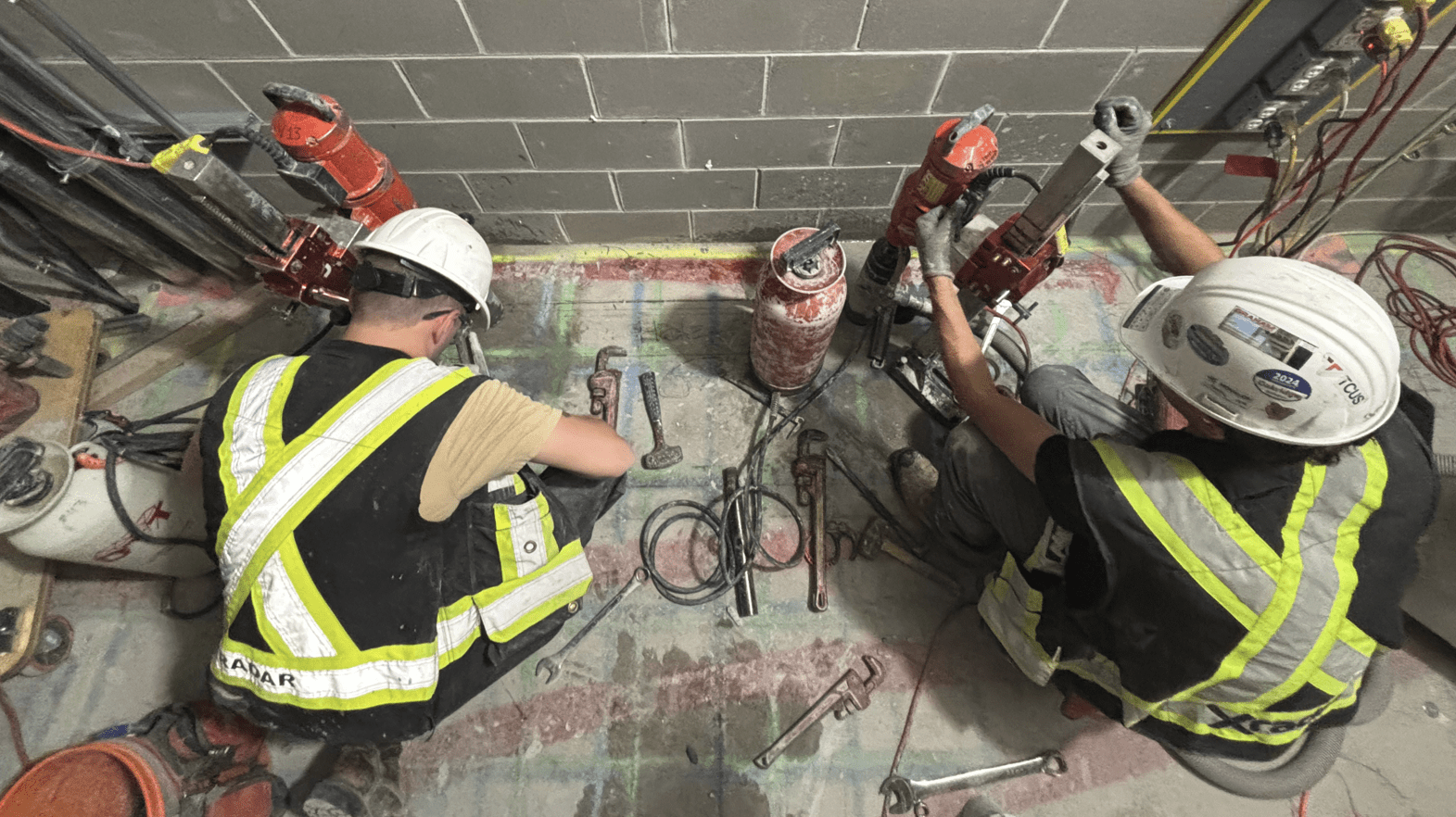
Core sampling involves drilling a cylindrical sample of concrete from the structure and testing it in a laboratory. This method yields precise information about compressive strength, density, and other material properties. However, it is an invasive process and may cause minor damage to the structure.
In recent years, the construction industry has adopted advanced technologies to enhance the accuracy, safety, and efficiency of concrete testing. These modern methods offer a more comprehensive understanding of the concrete structure without requiring invasive procedures.
Ground-Penetrating Radar (GPR)
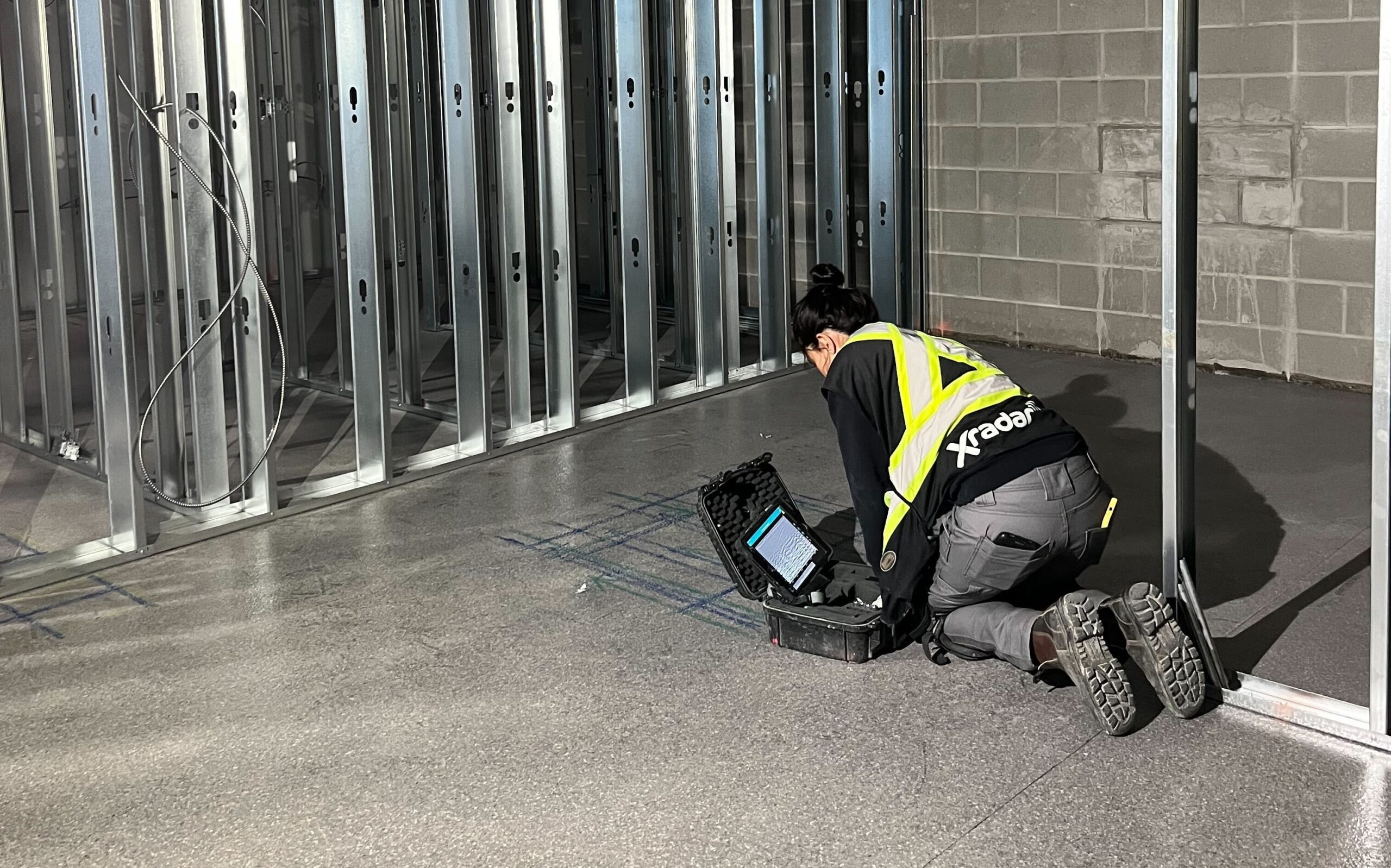
Ground Penetrating Radar (GPR) is a widely utilized non-destructive evaluation method that employs radar pulses to identify objects and voids within concrete.
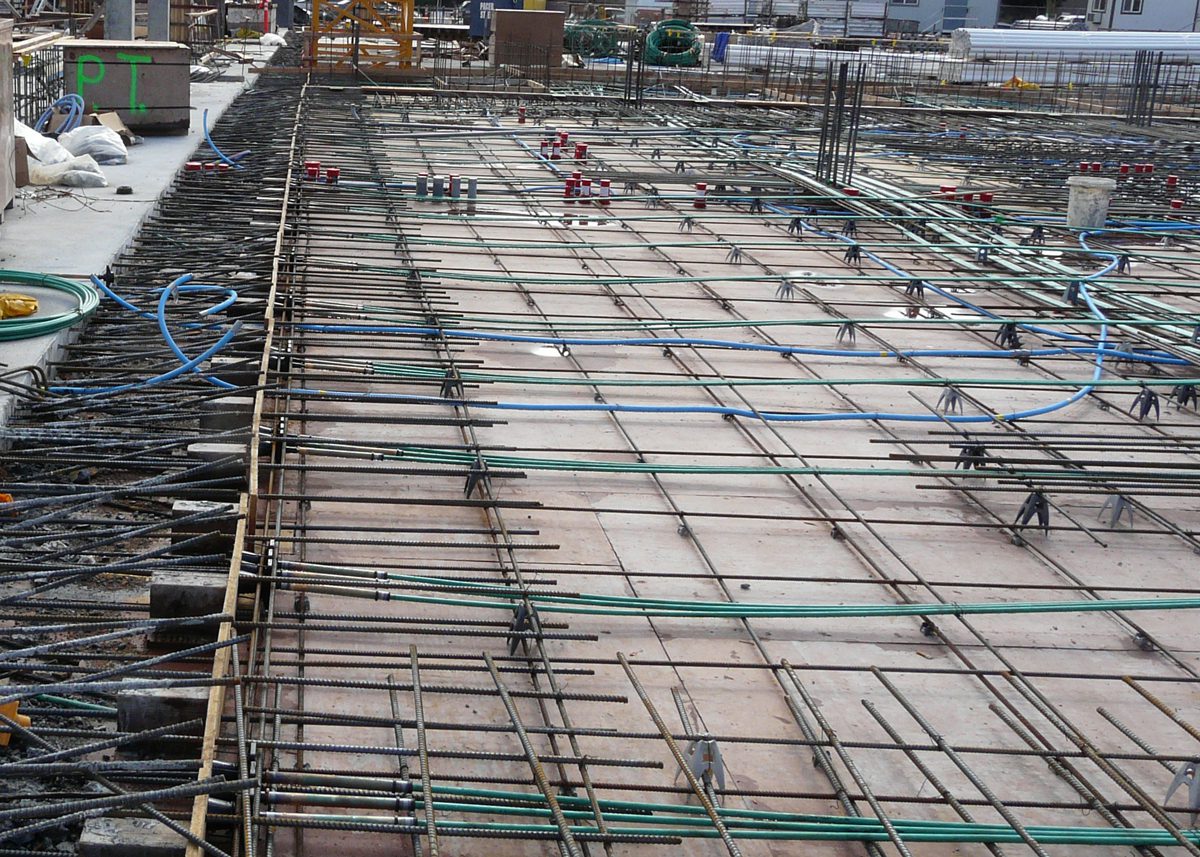
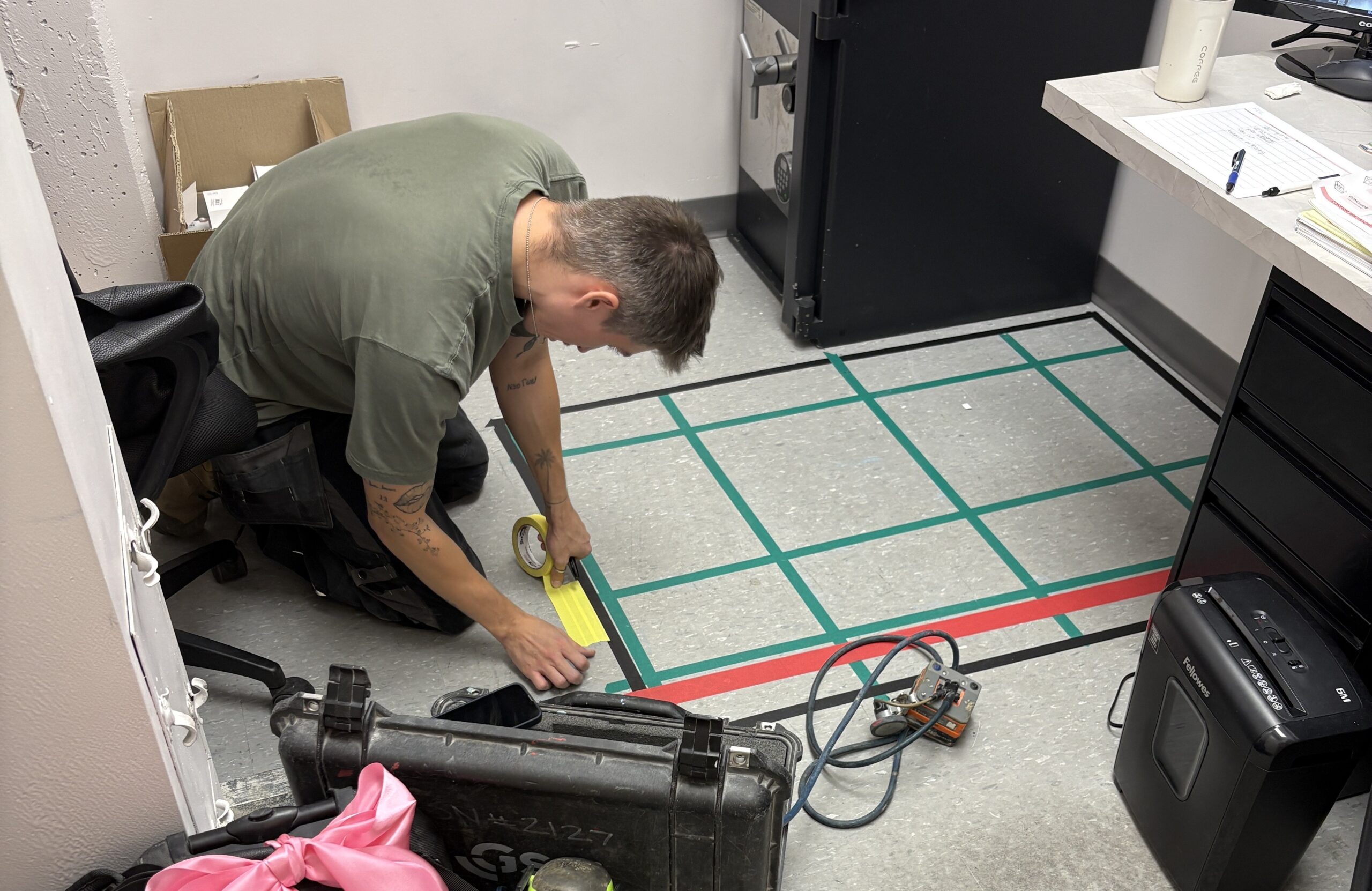
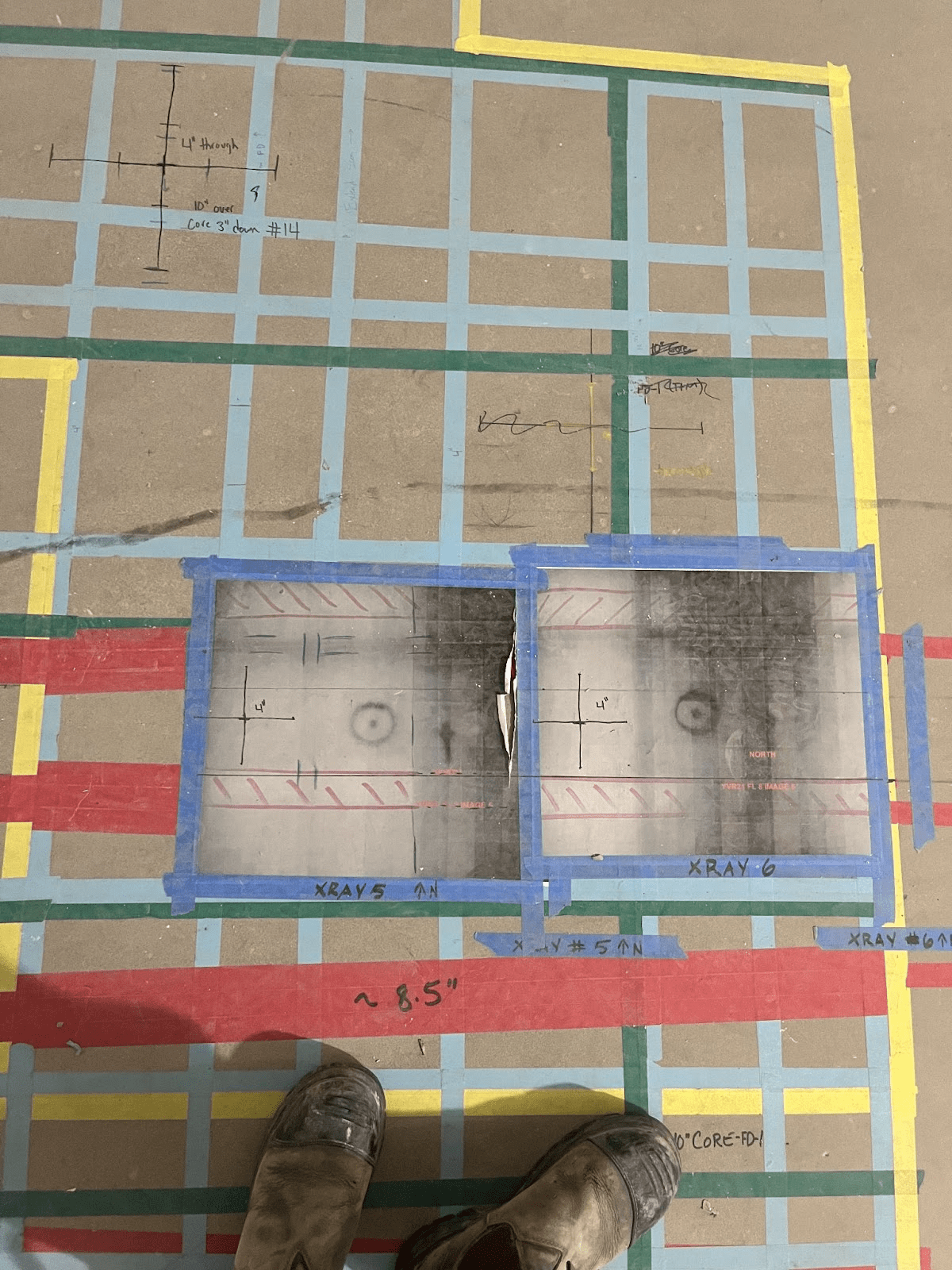
It is especially effective for locating reinforcing bars (rebar), post-tension cables, and electrical conduits prior to cutting, drilling, or coring. GPR delivers real-time data, which provides an advantage over methods such as X-ray. As GPR is an interpretive testing method, when operated by trained and qualified technicians, it serves as an effective means of preventing costly and hazardous mistakes.
Ultrasonic Pulse Velocity (UPV)
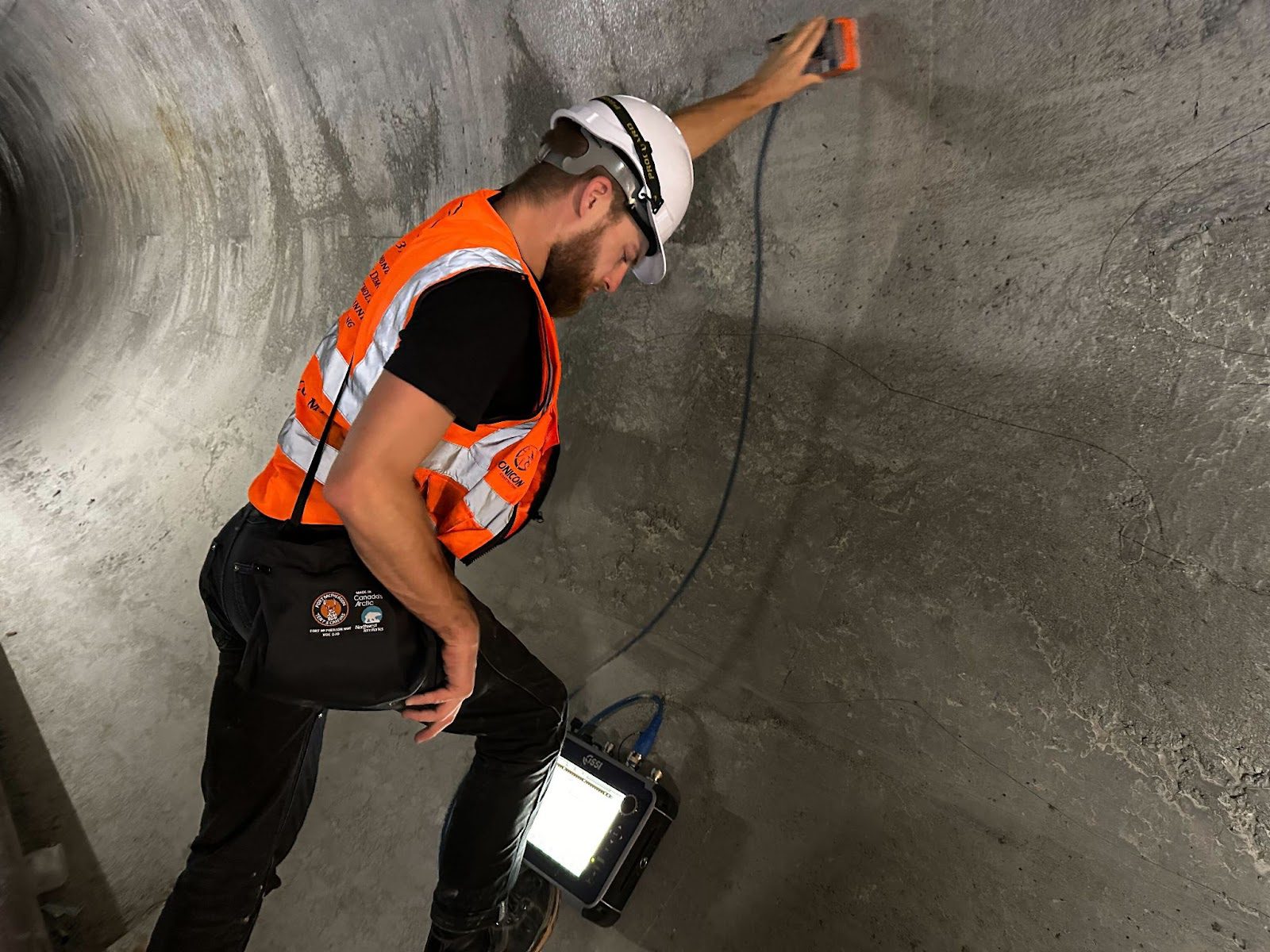
UPV is another non-destructive method that uses sound waves to detect cracks, voids, and other inconsistencies in concrete. By measuring the time it takes for the ultrasonic pulses to travel through the material, engineers can assess the uniformity and quality of the concrete without damaging the structure.
Half-Cell Potential
The half cell potential method is used to assess the likelihood of corrosion in reinforced concrete. By measuring the electrical potential of the steel reinforcement within the concrete, engineers can predict areas where corrosion may occur, allowing for preventative measures to be taken before any significant structural damage happens.
The Importance of Concrete Testing in Modern Construction
The transition from traditional to modern concrete testing methods underscores the industry’s commitment to safety, accuracy, and efficiency. In Canada, where infrastructure development is crucial to the economy, advanced techniques such as GPR and UPV help ensure that construction projects comply with stringent regulatory standards while minimizing risks.
Concrete scanning is a vital and underrecognized tool that can be used for various applications. These are important for structural investigations, particularly in densely populated urban centers like Toronto, Vancouver, and Calgary. It significantly reduces the risk of encountering rebar, post-tension cables, and other embedded objects, thereby safeguarding workers and maintaining the integrity of the structure.
By incorporating advanced concrete testing methods into construction workflows, companies can create safer, more durable structures, making these techniques essential for both new constructions and renovations.