Understanding Old School Attitudes Toward Risk
Traditionally, construction has been marked by a conservative mindset regarding risk. Many companies rely on established practices and intuition rather than data-driven decision-making. This approach often prioritized immediate concerns over long-term planning, resulting in reactive rather than proactive risk management strategies.
Famous quotes from the construction site reflect these “old school” sentiments. Phrases like “I don’t need scanning,” and “There’s nothing in the slab, don’t worry,” reveal a dismissive attitude towards modern technology and the importance of thorough inspections. Research highlights that such attitudes can lead to significant inefficiencies. For example, when companies dismiss modern technologies for subsurface imaging, they may overlook structural integrity, embedded utilities, and safety.
According to a study in Sustainable Cities and Society, adopting advanced technologies like Ground Penetrating Radar (GPR) enhances risk assessment by offering precise subsurface data, enabling smarter, data-driven decision-making. In Europe, where construction sees some of the highest workplace accident rates, studies show that even strict safety directives haven’t fully resolved the industry’s ongoing safety issues.
Despite formal regulations and safety roles, construction remains risky partly because risk is socially constructed, meaning it’s often perceived differently based on personal and cultural factors. This variability in risk perception shows that relying on traditional intuition alone may not be enough to ensure safety, making the case for adopting consistent, tech-driven tools to bridge these gaps and promote safer, standardized practices.
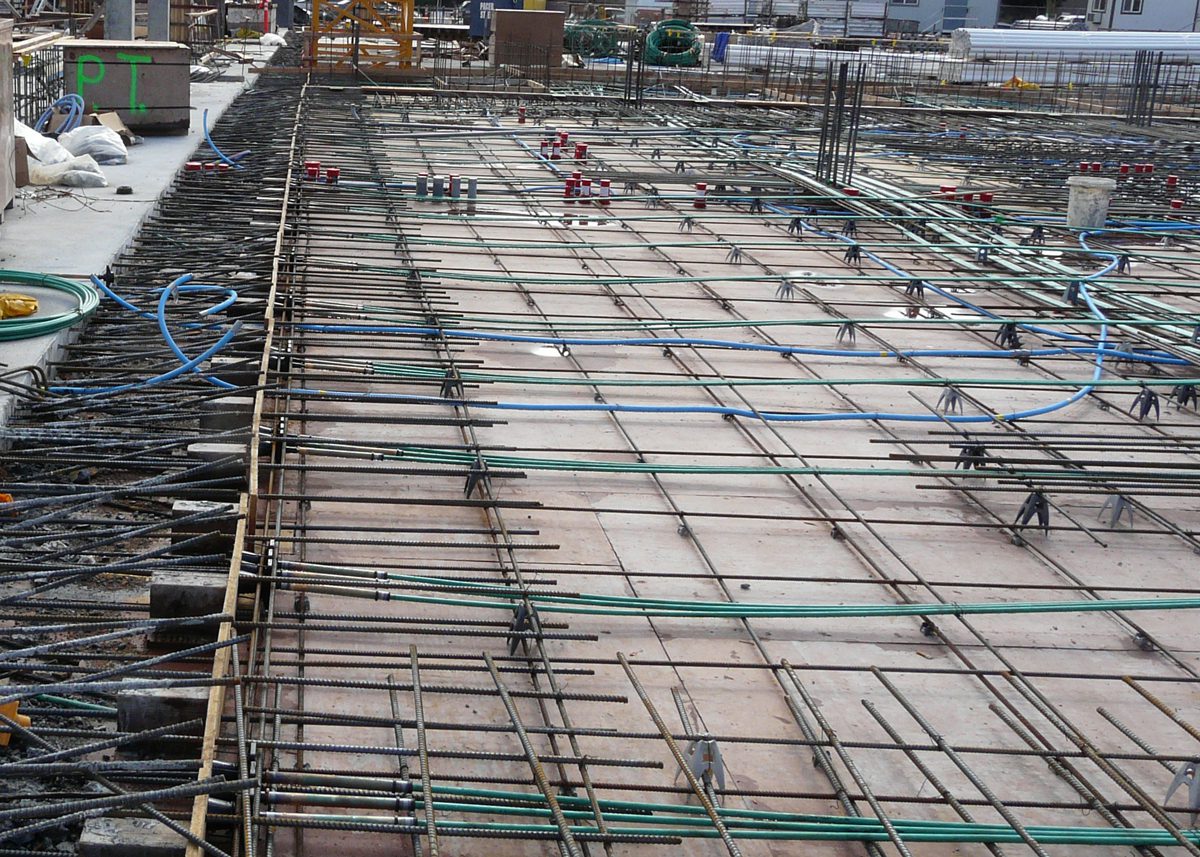
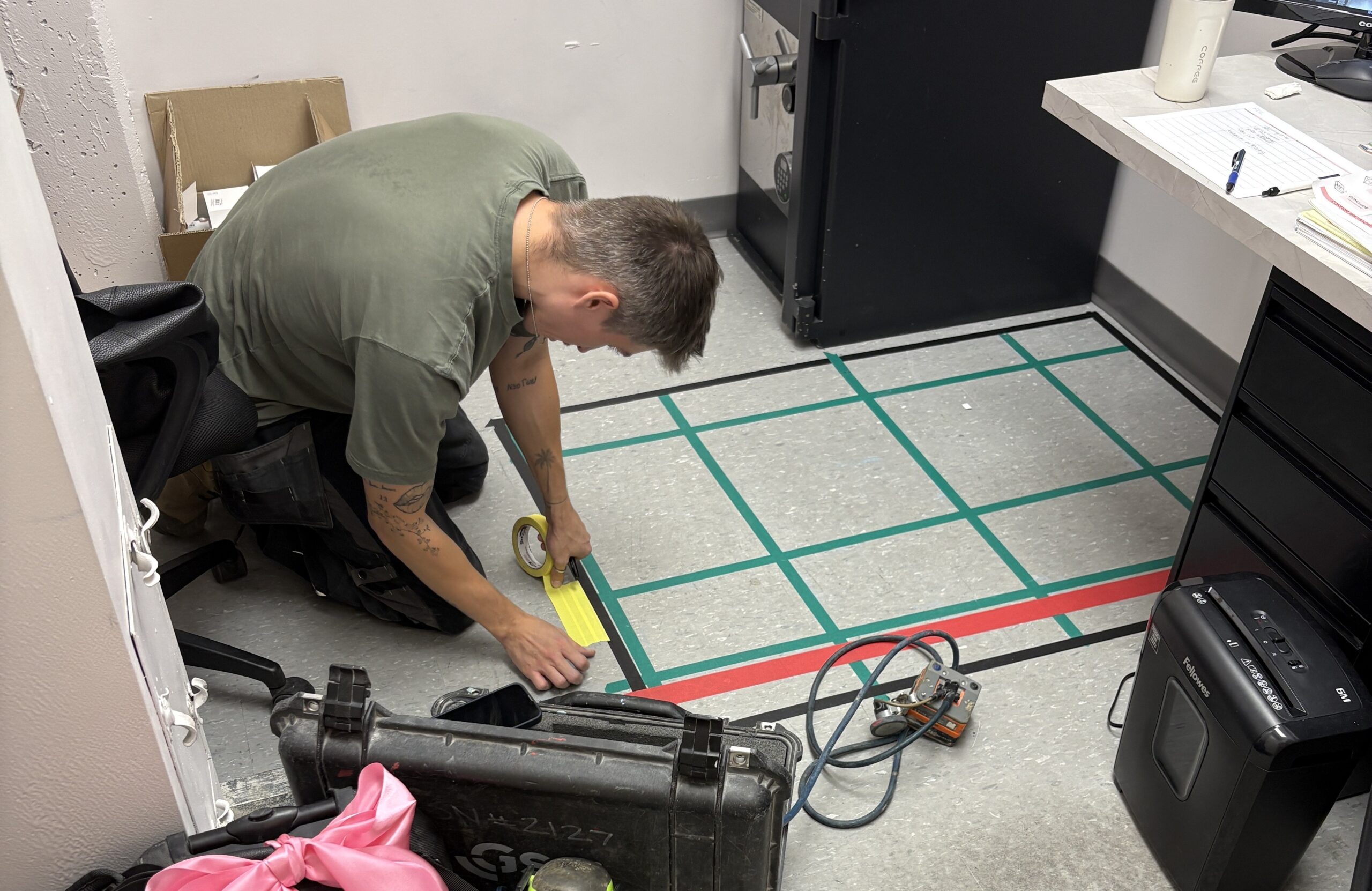
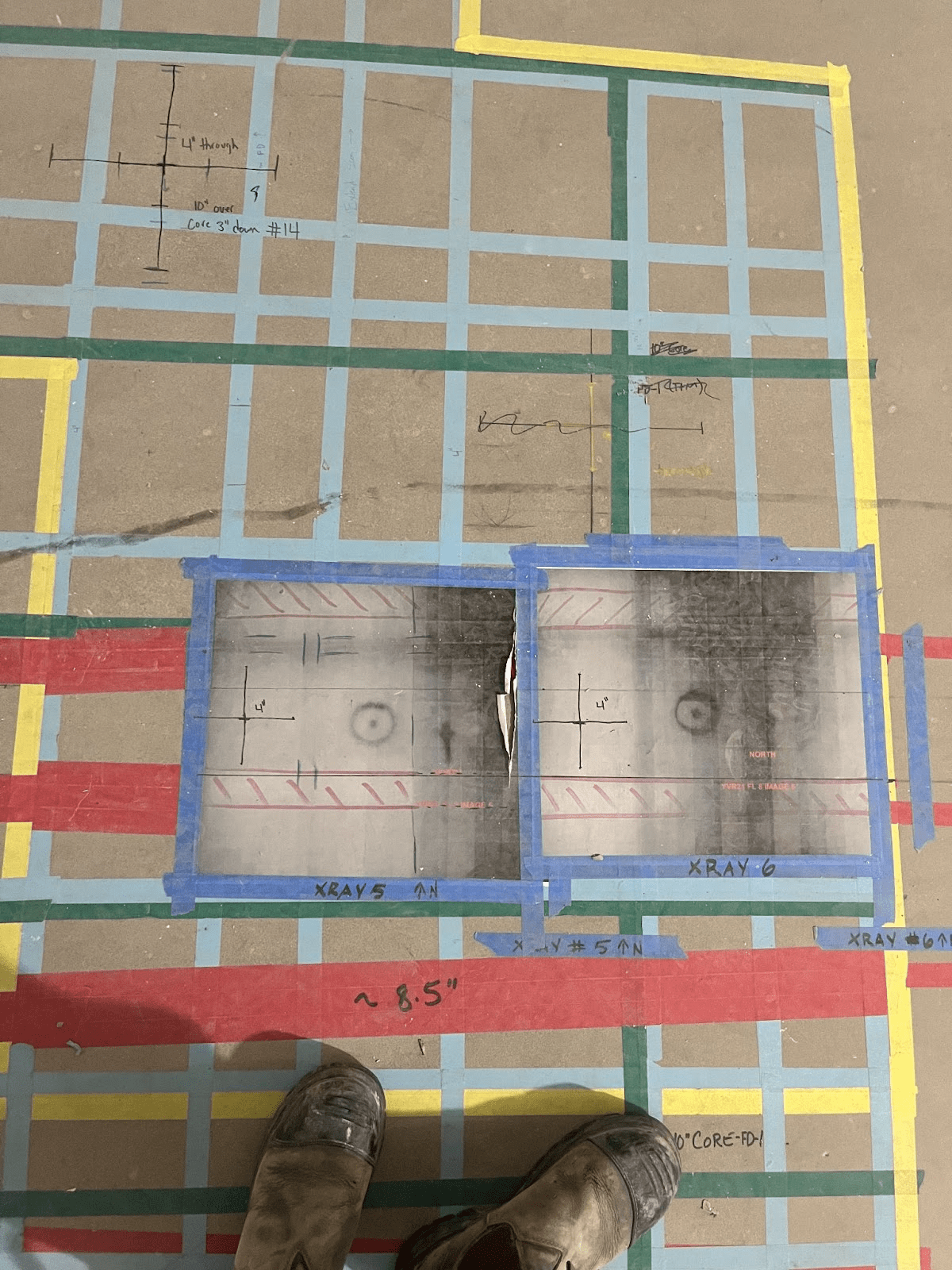
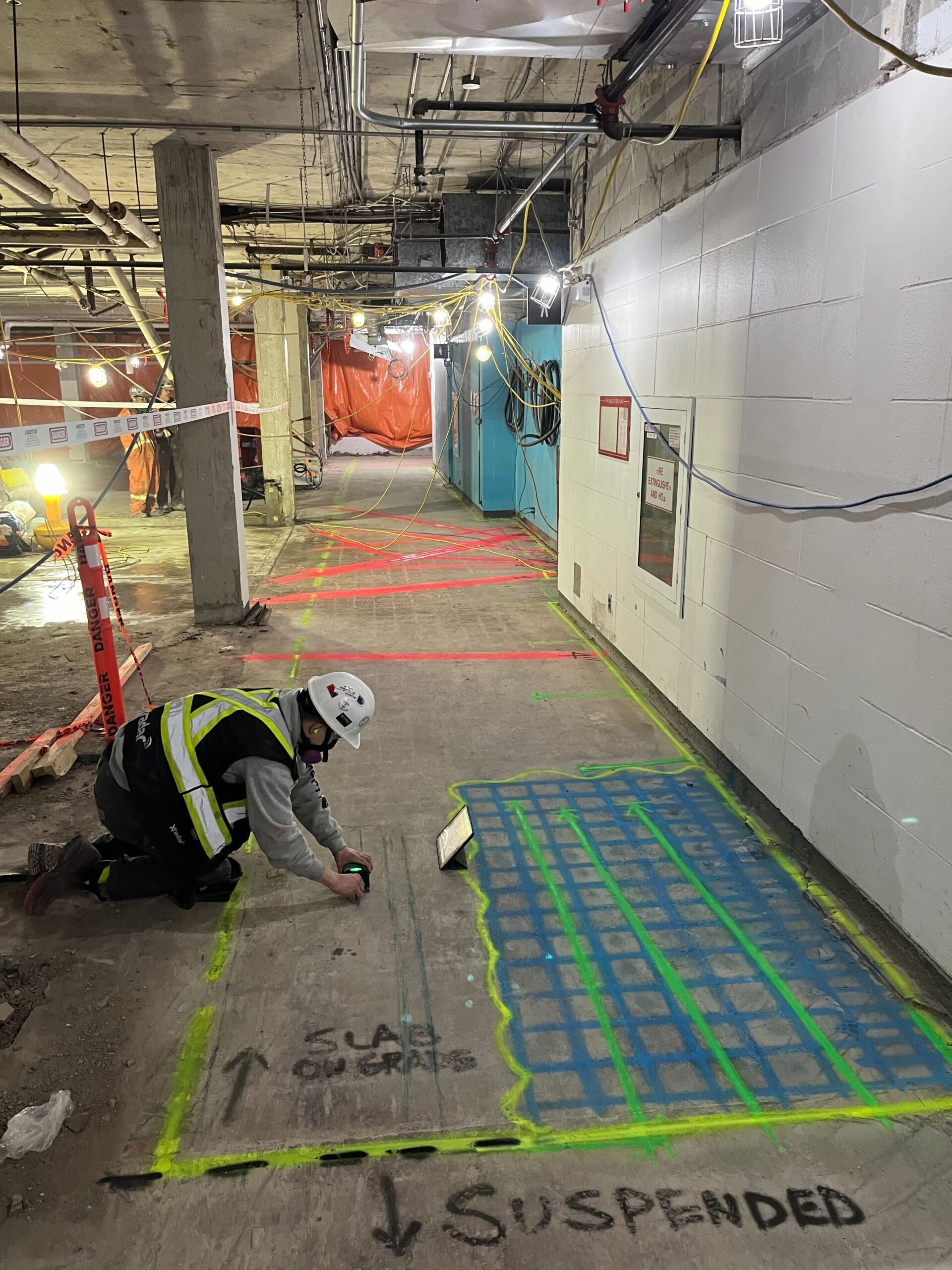
One of the significant shifts in the construction industry is the integration of technology into risk management practices. A service like Concrete Scanning allows for comprehensive subsurface analysis, offering insights that traditional methods cannot provide. By utilizing these technologies, construction firms can identify potential issues before they escalate, improving safety. A highly trained concrete scanning technician can locate & identify critical structural elements like rebar and post-tensioned cables, differentiate plastic conduit from metal, as well as reveal insight into the long-term health of a structure by ways of identifying the corrosion of rebar and voids
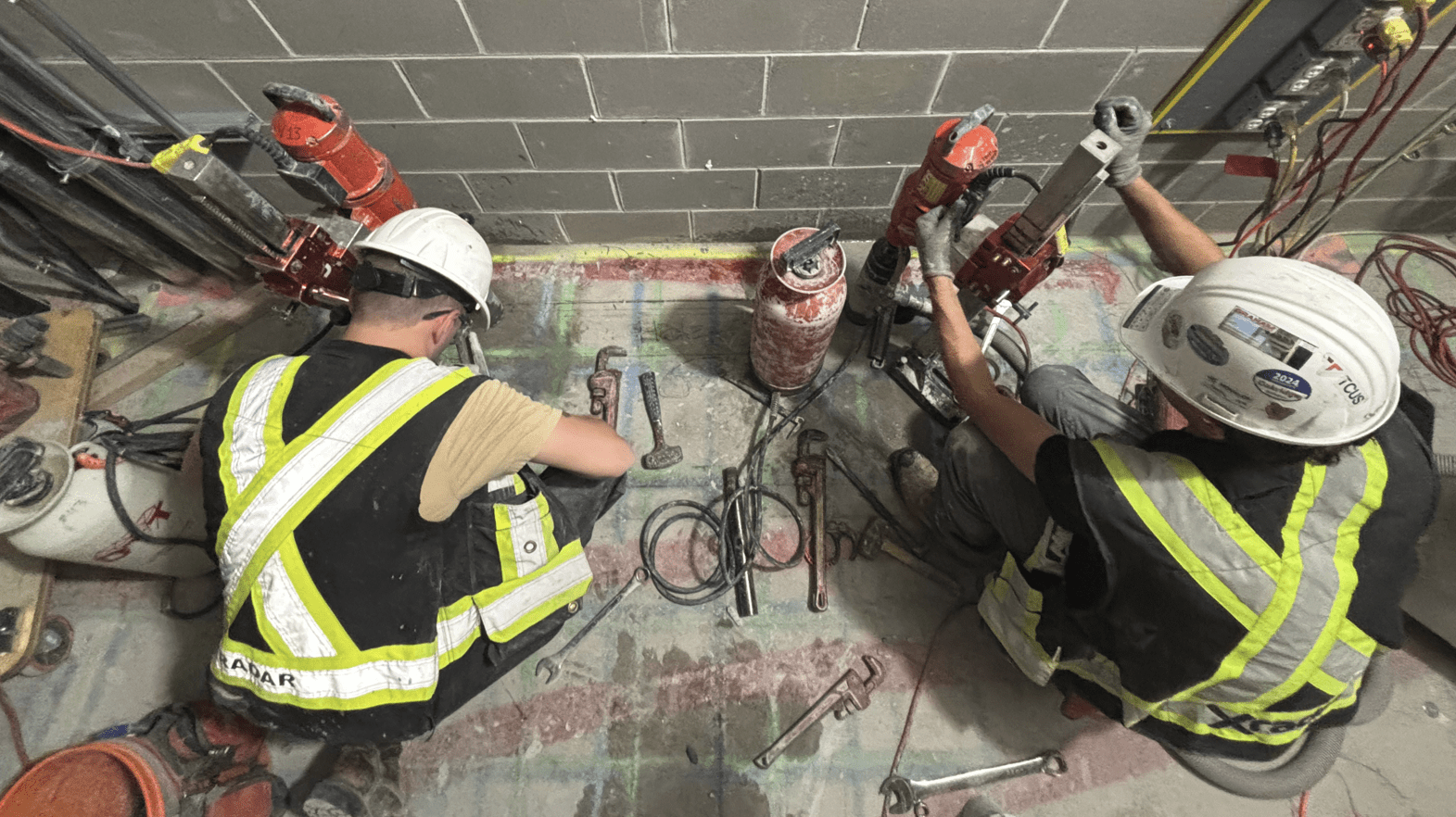
Remember, while “old school attitudes to risk is 1-thing, there is a huge risk in also hiring the wrong people (poor equipment, un-skilled operators).
Bridging the Gap Between Old and New
Transitioning from old school attitudes to a more modern risk management approach requires a cultural shift within construction organizations. Leadership must champion innovation and encourage teams to embrace new technologies. Training and education play vital roles in this transition, ensuring that employees understand the benefits of modern risk management tools.
Furthermore, collaboration among stakeholders is essential. Engaging all parties—engineers, contractors, and clients—creates an environment where innovative solutions can thrive. By fostering open communication and collaboration, construction firms can effectively address risks and enhance project outcomes.
Old school attitudes towards risk in construction are gradually being challenged by advancements in technology and a growing understanding of their limitations. As the industry evolves, companies must recognize the importance of integrating modern risk management practices to stay competitive and ensure safety.
By outsourcing innovative services like Xradar™ Concrete Scanning, construction firms can mitigate risks more effectively and pave the way for a safer, more efficient future in construction.