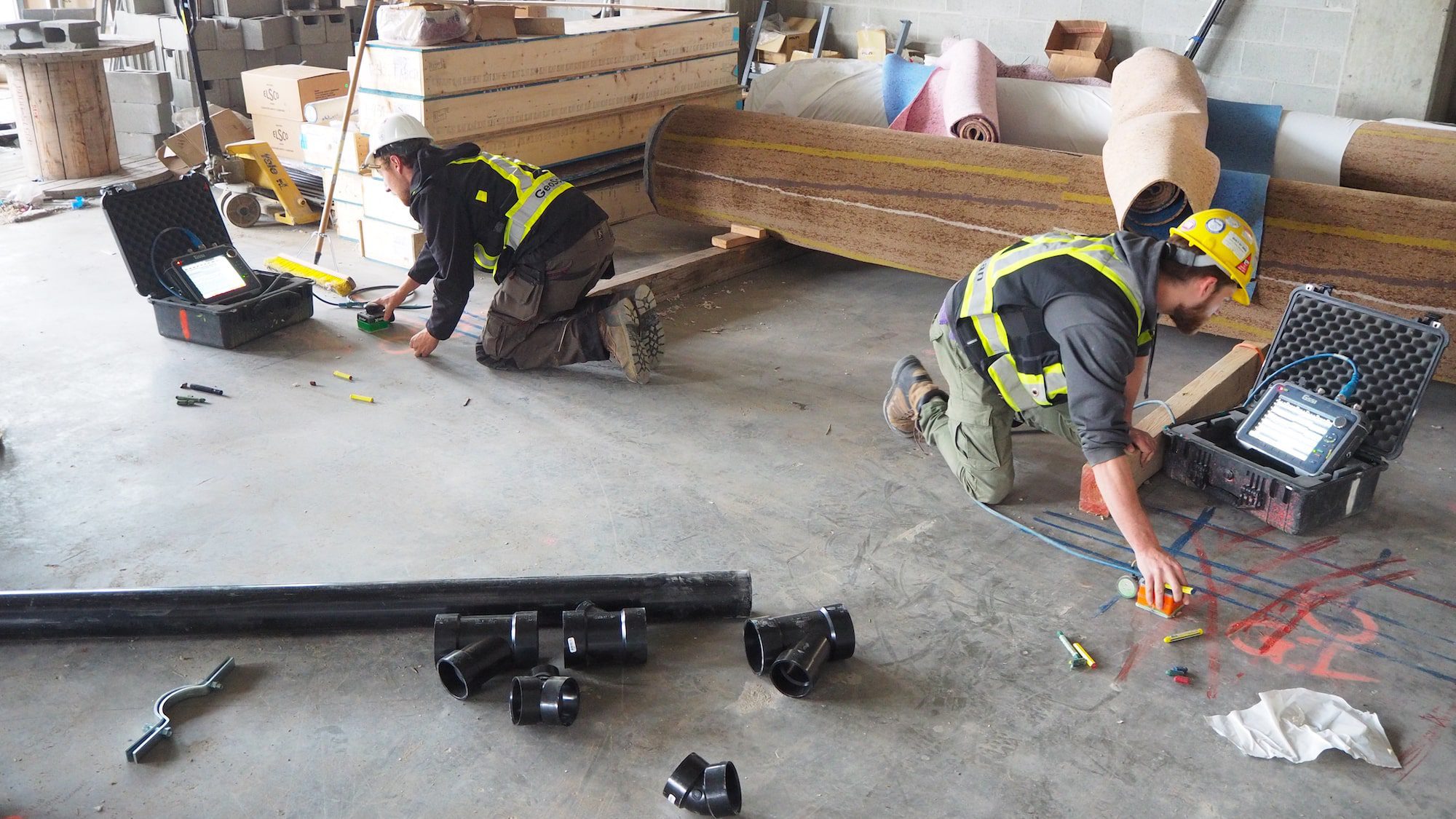
As a service concrete scanning is primarily there as a form of non-destructive testing used to save clients time and money on projects. This is realized in a number of ways:
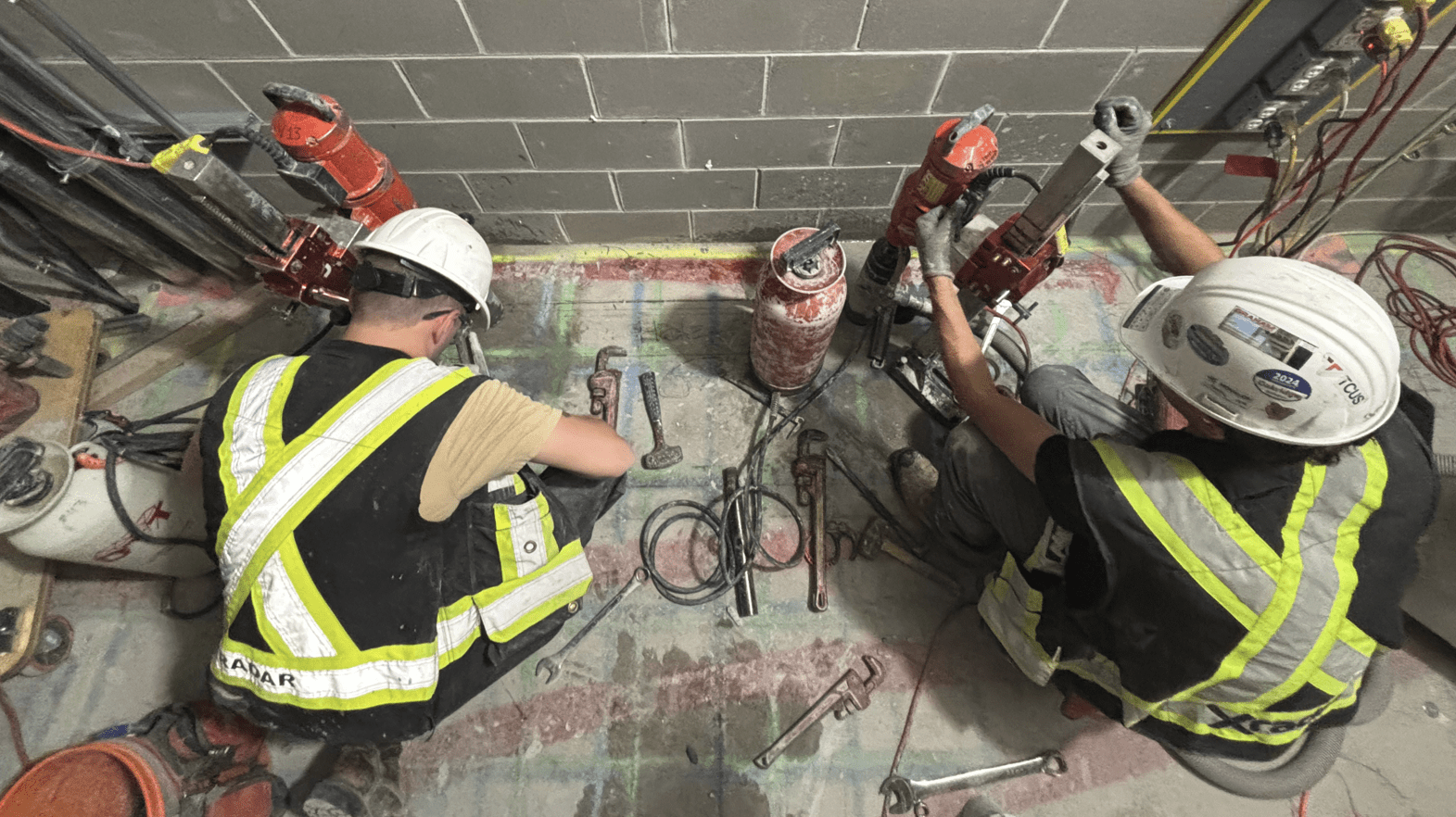
Cutting and coring concrete
If there is a need to core or cut into concrete, which occurs throughout the construction process, it is necessary to identify objects within the slab prior to cutting or drilling.
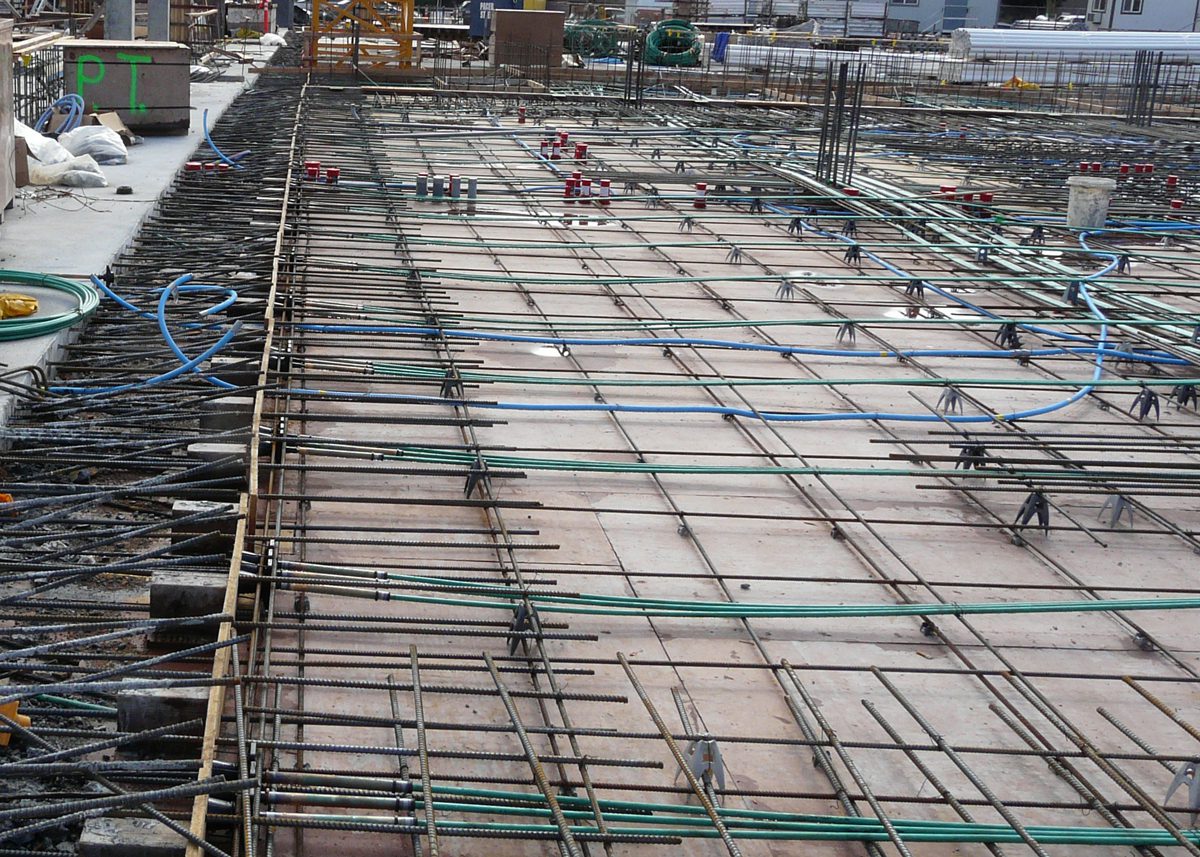
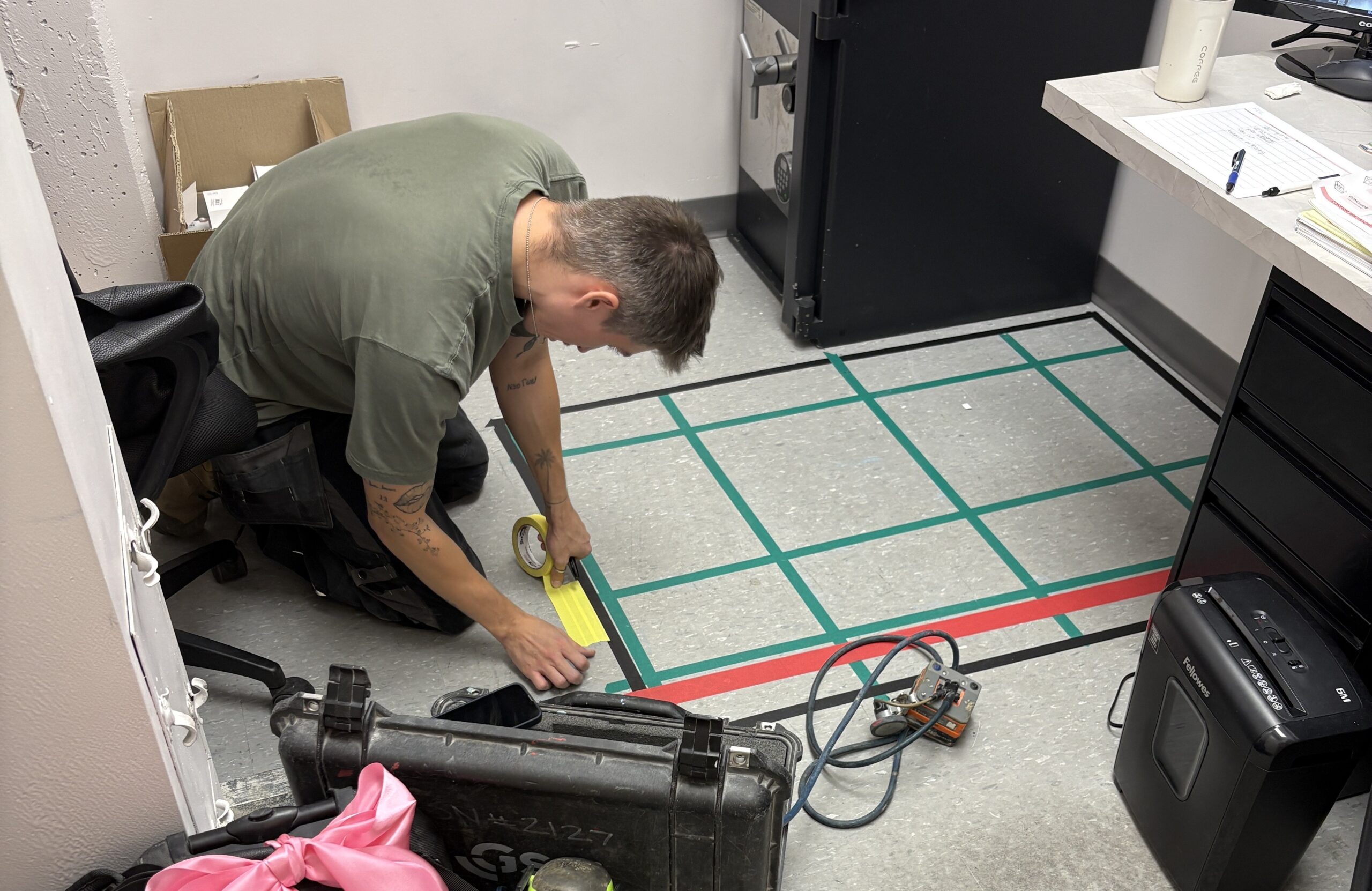
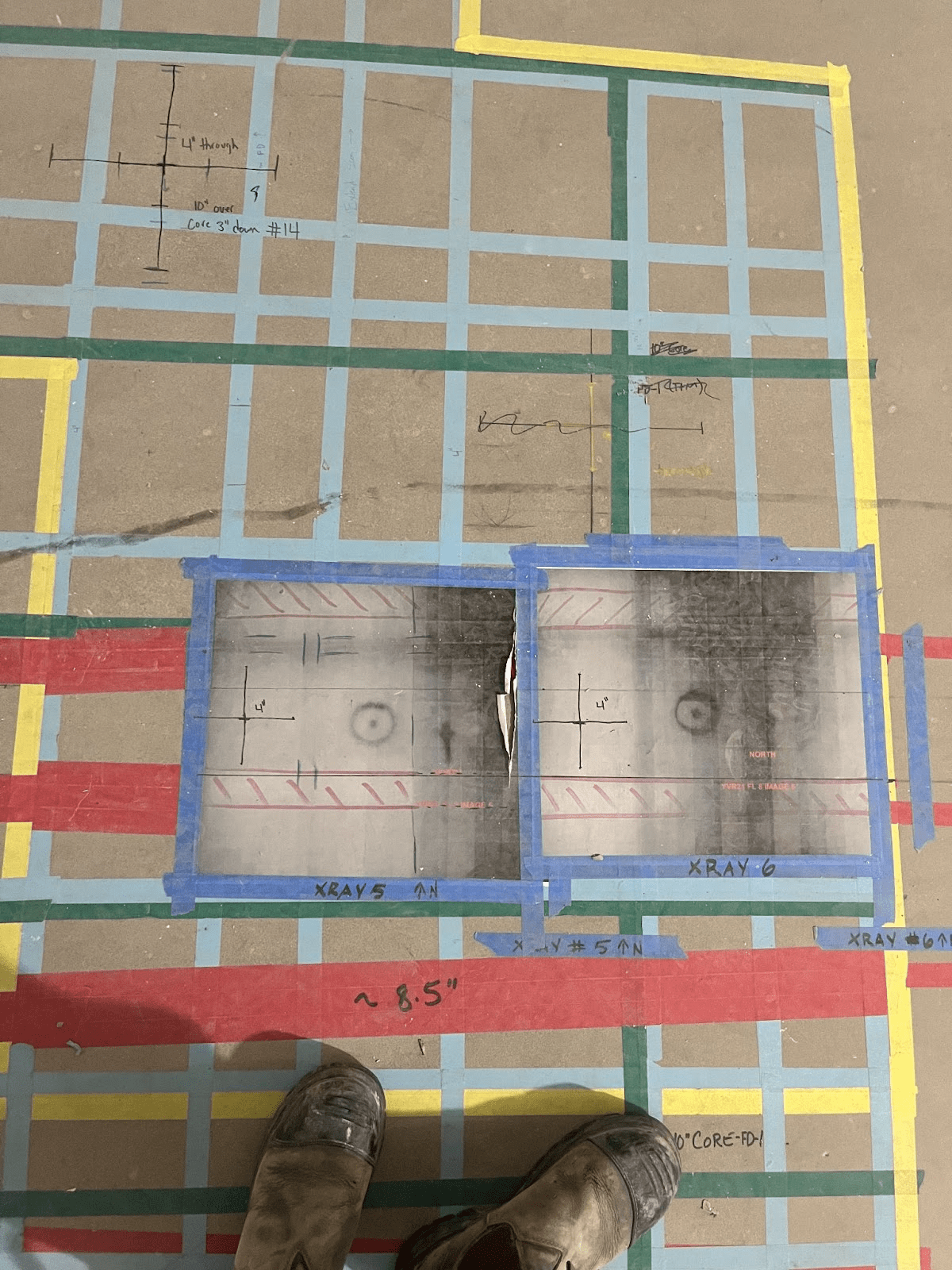
Concrete scanning allows us to locate and map objects such as cables, rebar and conduits, highlighting the safest area in which to cut through the concrete. This not only saves time, but avoids incurring unnecessary costs which may happen due to cutting through a conduit, or an injury from striking post-tensioned cables.
Hitting an embedded obstruction can also cause massive project delays and even result in the compromised safety of the slab itself. For example, if rebar that is helping to support a structure is cut, this may result in damage or failure of the structure.
Xradar™ concrete scanning vs Xray
For a long time concrete X-ray was seen as the primary method for identifying embedded targets in a non-destructive way, however, this is no longer the case.
Concrete X-ray technology is much slower than Xradar™ and due to being a radioactive method, also requires other workers be removed from the job site.
Comparatively, Xradar™ is fast, accurate, and safe, saving you time and money when compared to other methods of concrete scanning.
Efficient project planning
In addition to avoiding damage to objects beneath the surface, Xradar™ is also able to scan large concrete areas and product accurate, detailed surveys, including accurate as-built drawings. These reports detail concrete thickness, reinforcement cover, spacing diameter, foundations, and all subsurface obstructions.
Having these structural drawings provides comprehensive, invaluable information extracted from our survey to inform engineering decisions for planning and construction phases.
Onsite Xradar data and 3D laser scans are processed in-house using our bespoke proprietary software to deliver quantifiable, detailed measurements of slab attributes.
Flexible digital outputs in the form of raw data, maps and CAD-ready files make it easy to incorporate existing as-built slab conditions into structural design and analysis.
For more information on how scanning with Xradar™ can save you time and money, get in touch with one of our expert technicians.