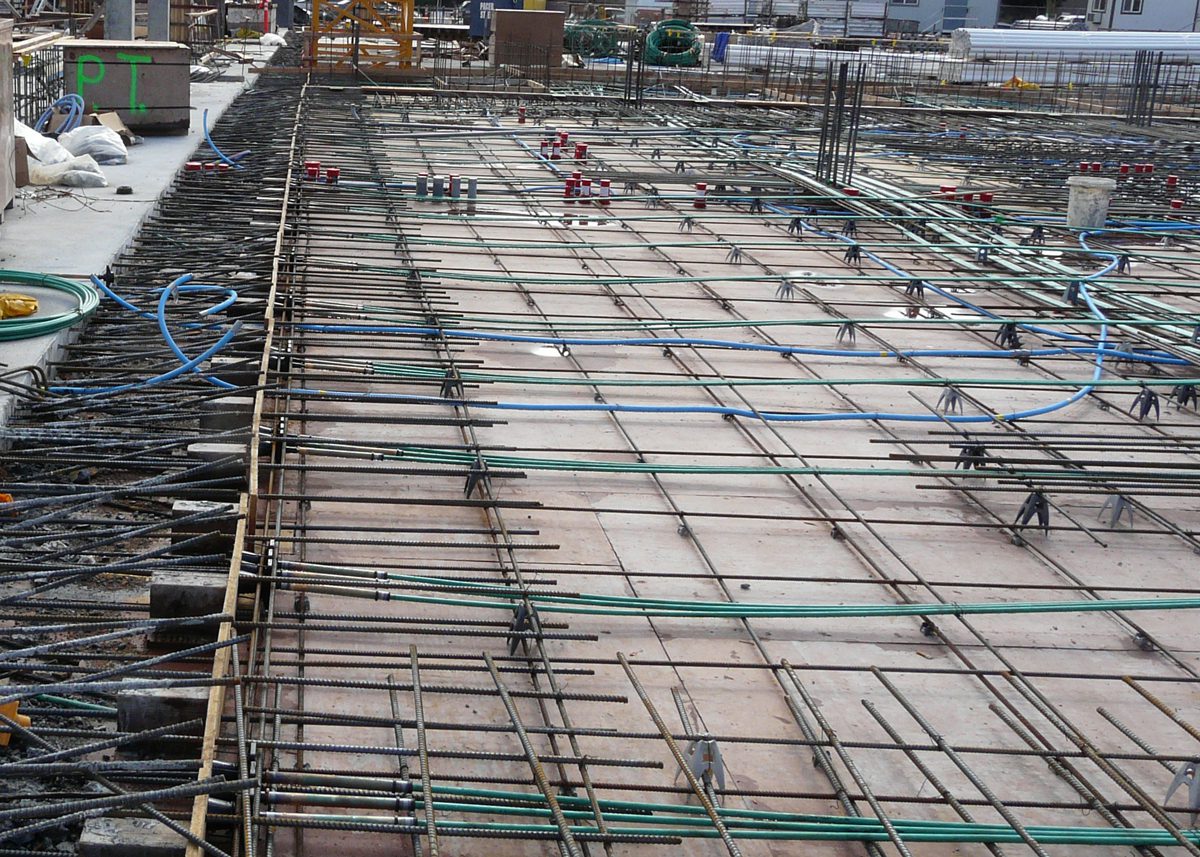
Why you need to locate rebar before cutting or coring
Many contractors choose to neglect a thorough scan of concrete before cutting and coring in order to save time. However, this can have major consequences that are both costly and potentially hazardous.
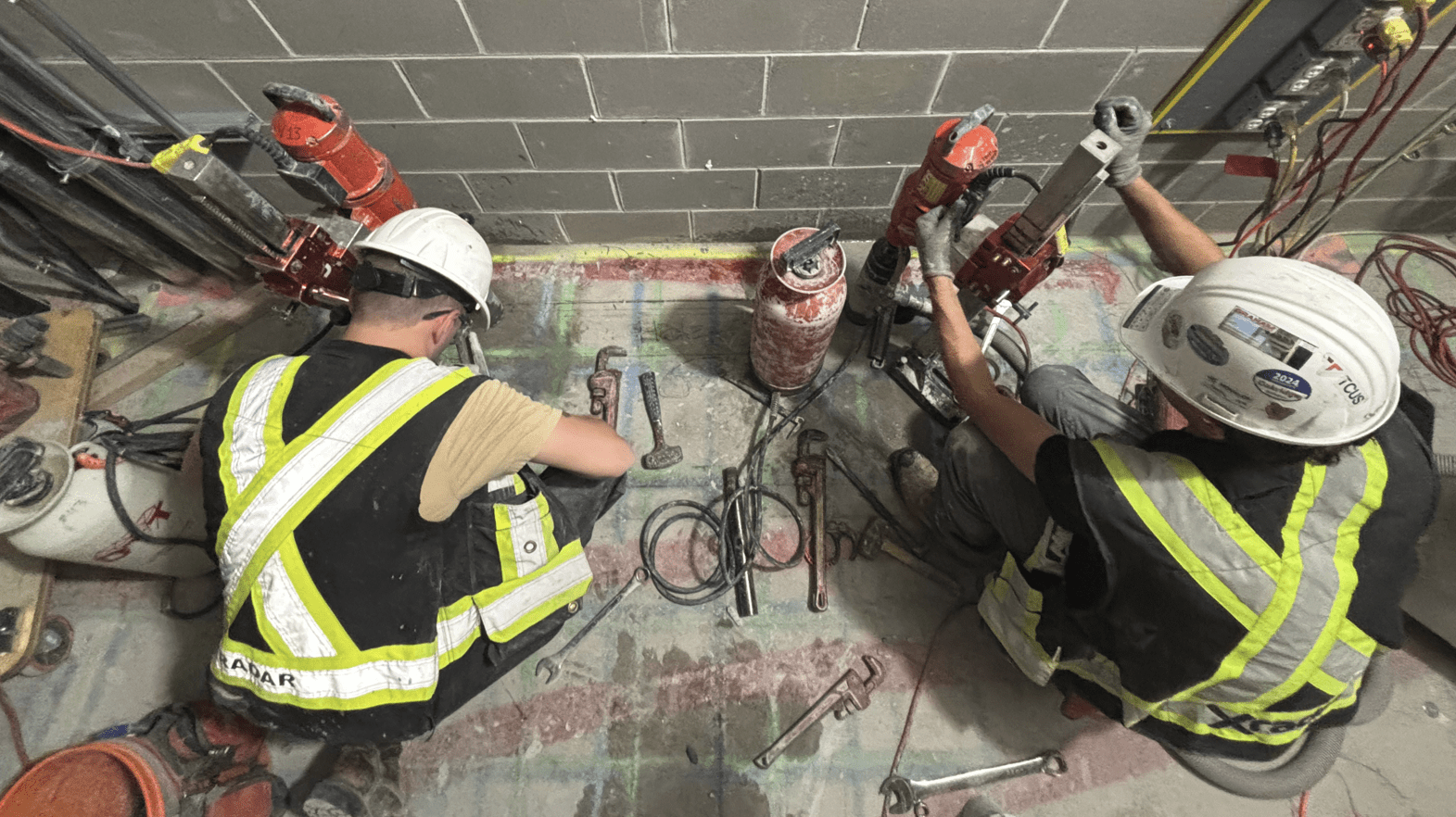
The most common consequence of striking rebar during the coring or cutting process is damage to equipment. This is incredibly costly, as you would need to repair or replace the cutters or drills. Due to the speed of the equipment, even the smallest mistake can send hot metal in every direction, resulting in potential injury.
As well as causing project delays, damage to rebar can also result in weakened concrete and compromise the structural integrity of the surface. All of these hazards mean that it is of the utmost important to scan before you cut or core.
How to locate rebar in concrete
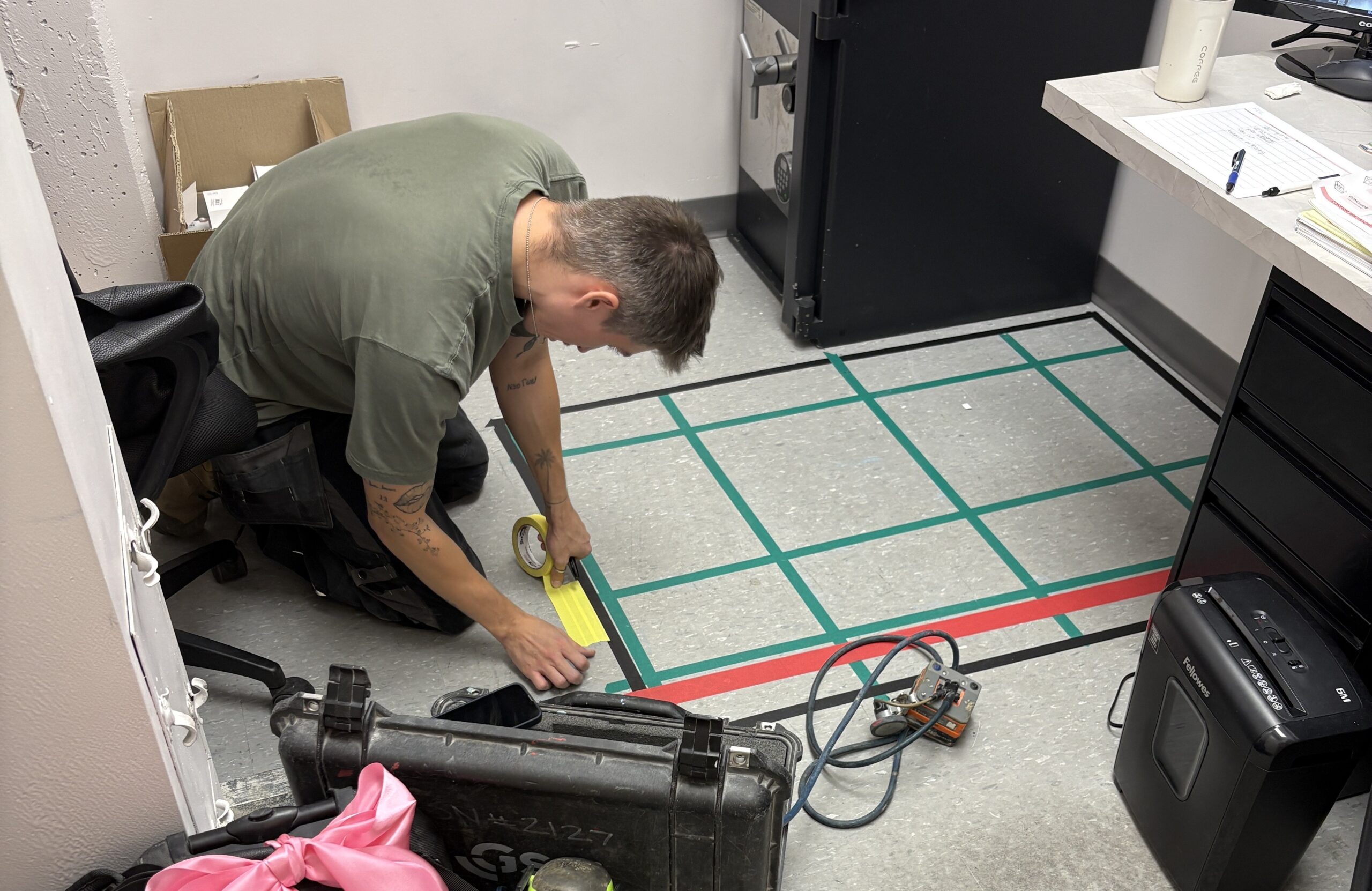
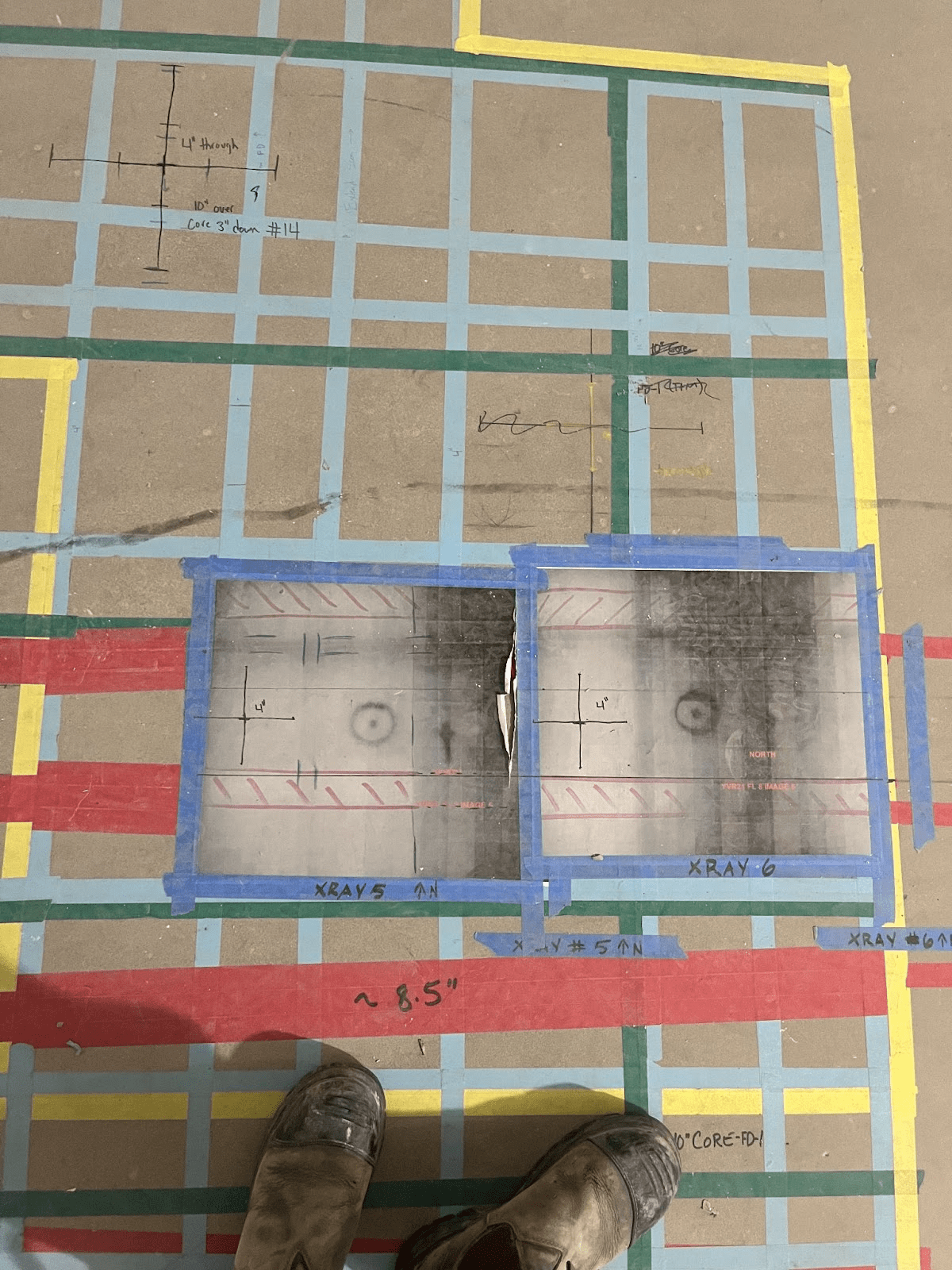
Previously, the main method of detecting rebar in concrete was the use of x-ray. However, these machines are cumbersome and limited in their applications. Now, most contractors use GPR (ground penetrating radar). This method is quick and efficient and can accurately detect and map rebar.
At Xradar we have developed a new form of GPR in Xradar Enhanced Concrete Scanning. This method is accurate to 99%, compared to the 25% of the typical scanning industry.
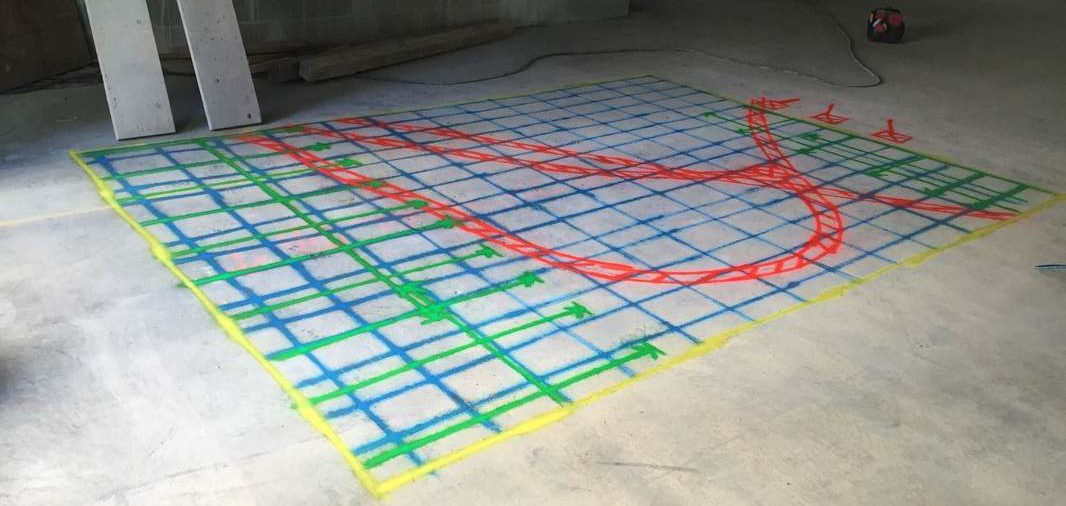
Xradar allows us to map the exact location and depth of the rebar, meaning you can safely avoid damage when cutting and coring.
Find out more about Xradar, and how it can save you time and money, HERE.