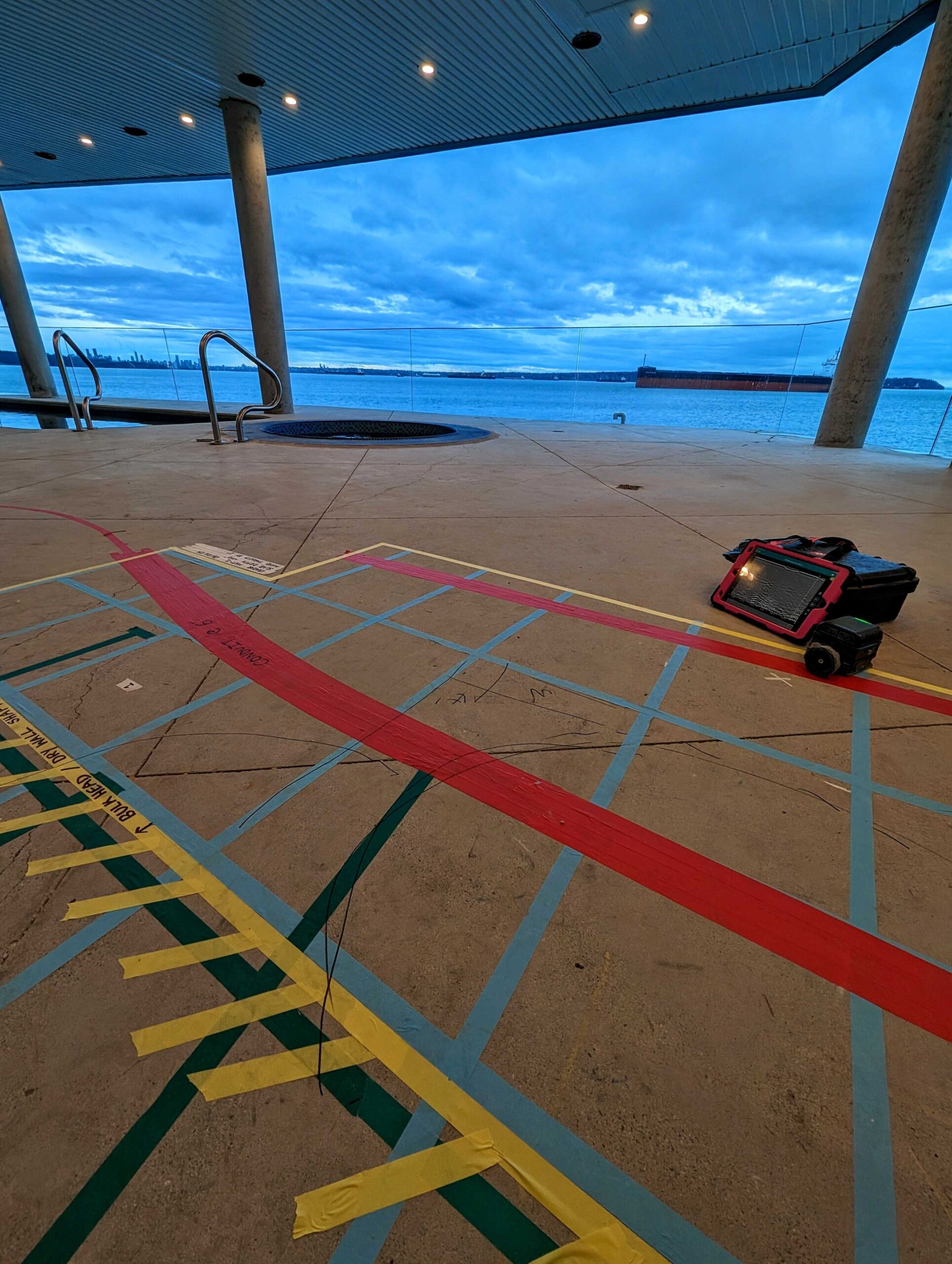
Understanding Concrete Scanning
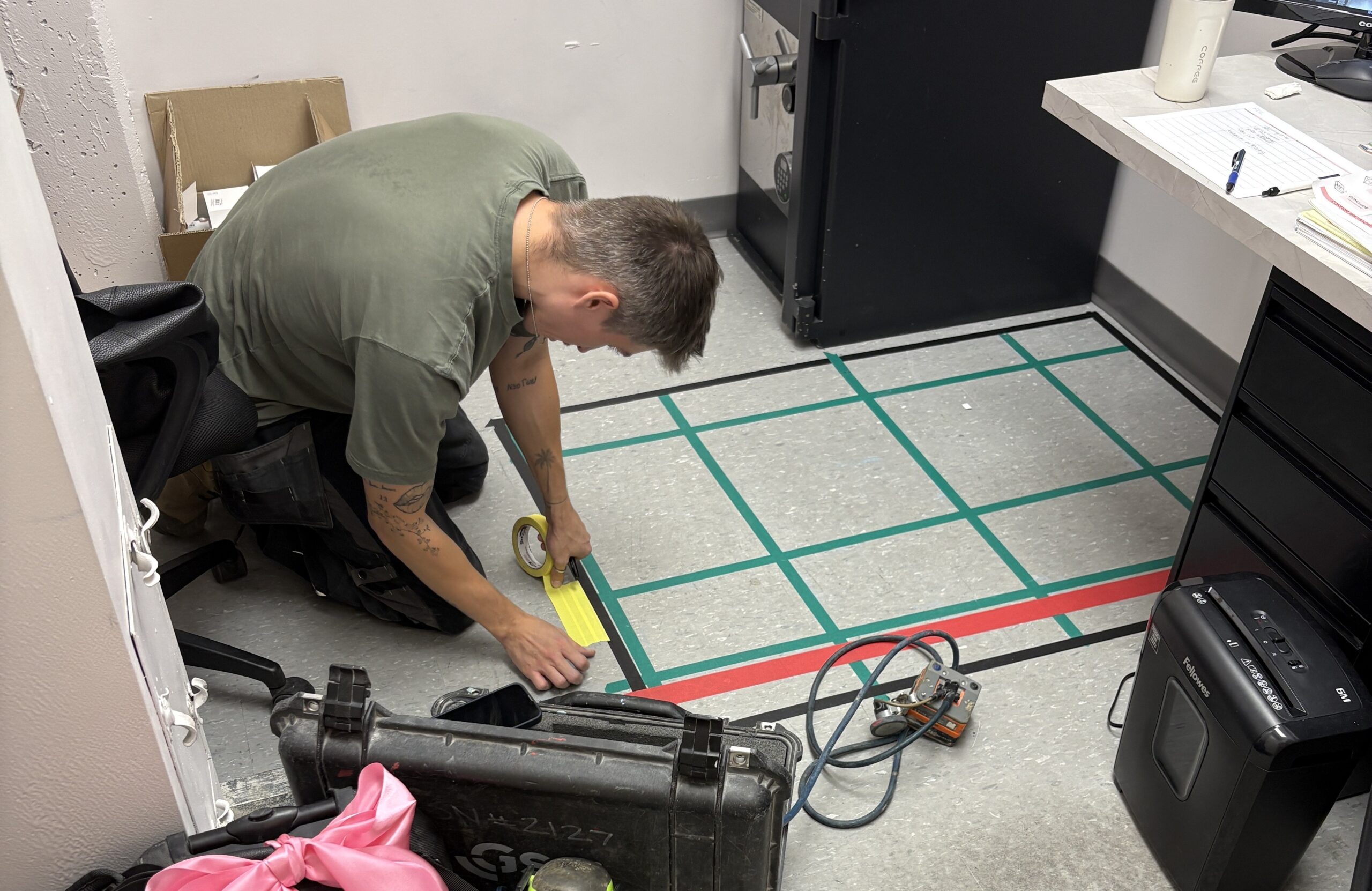
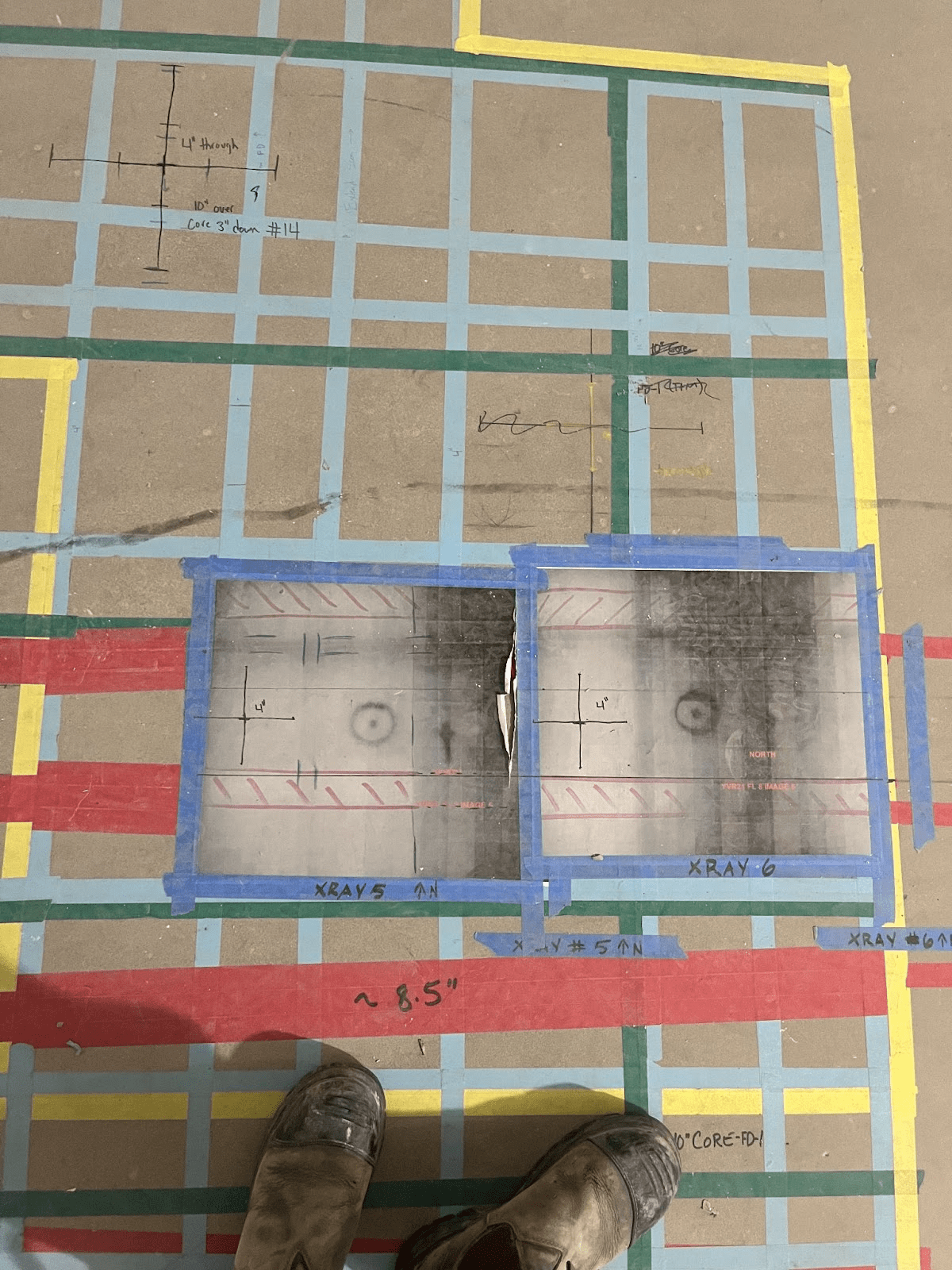
Concrete scanning is the use of concrete imaging technology to map concrete structures and determine what is beneath the surface. It is primarily done before cutting, drilling, or coring into concrete. Typically, concrete scanning services are performed on-site to collect, verify, and ensure the delivery of important information in real-time to key decision-makers. Concrete scanning allows you to make informed decisions that safeguard employees, save time, and reduce the likelihood of making a mistake.
Benefits of Concrete Scanning in Construction
Enhanced Safety
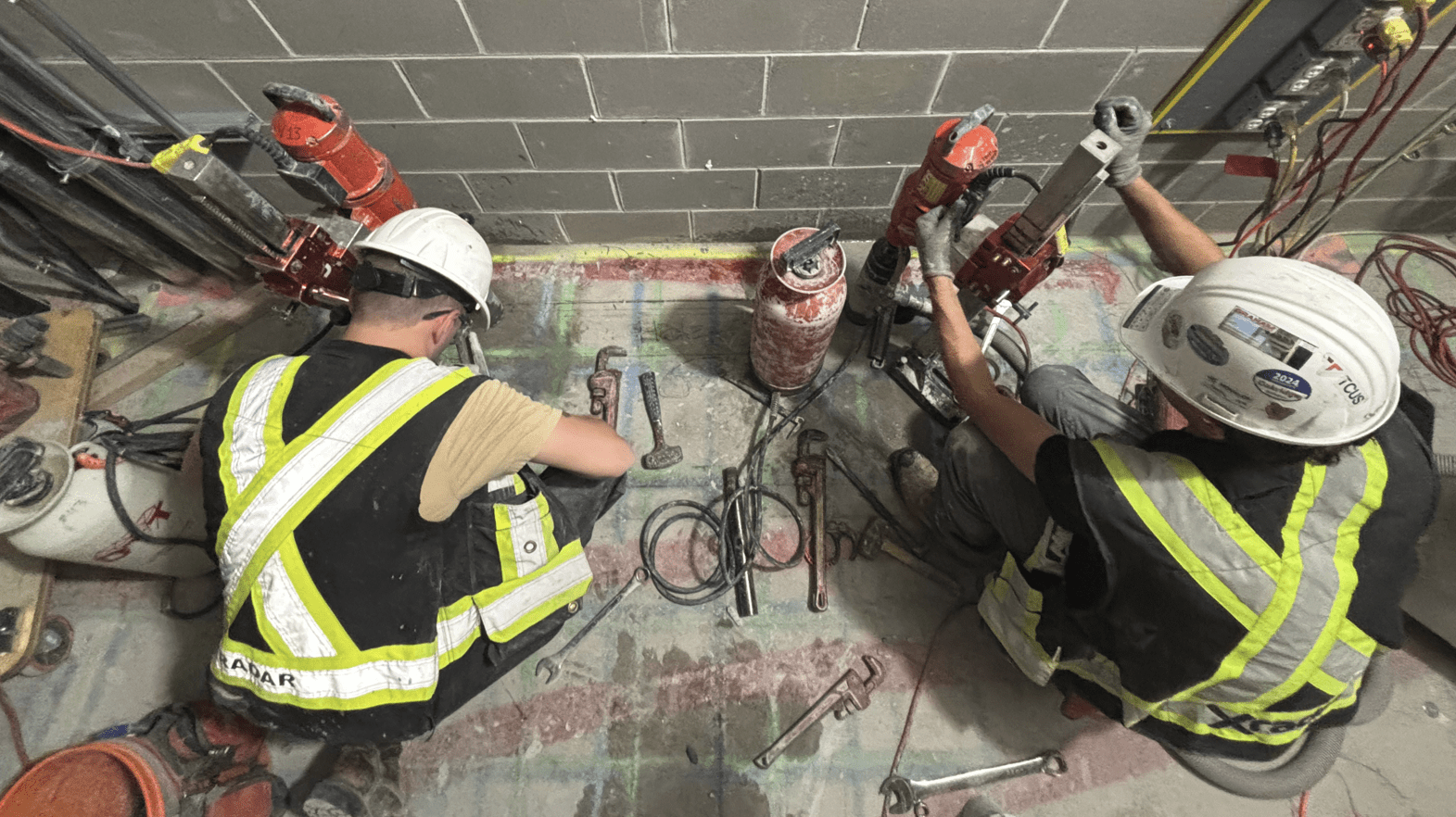
One of the primary advantages of concrete scanning is the significant enhancement of on-site safety. By pinpointing the exact locations of embedded utilities and structural components, construction teams can avoid accidental strikes that may lead to injuries or hazardous situations. For instance, inadvertently cutting into a live electrical conduit poses severe risks, which can be effectively prevented through meticulous scanning.
Cost and Time Efficiency
Unexpected obstructions within concrete can cause project delays and escalate costs due to necessary repairs and downtime. Concrete scanning provides a clear roadmap of subsurface elements, enabling more accurate planning and execution. This foresight reduces the likelihood of costly surprises, ensuring projects stay within budget and on schedule.
Preservation of Structural Integrity
Maintaining the structural integrity of a building is paramount. Concrete scanning allows for precise identification of reinforcement layouts, ensuring that any modifications or penetrations do not compromise the building’s stability. This is particularly crucial when working with older structures where original construction plans may be unavailable or outdated.
Xradar™ Concrete Scanning
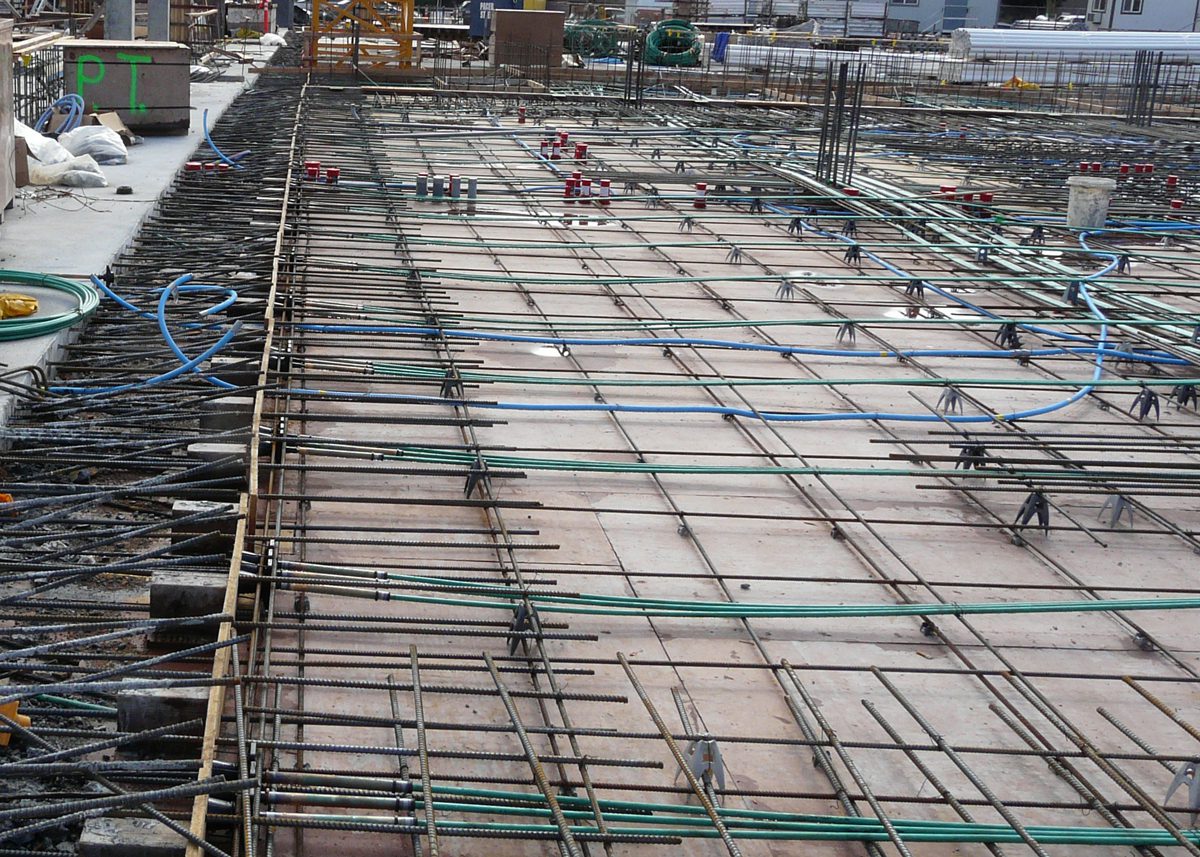
Xradar™ has redefined the standards of concrete scanning by enhancing traditional GPR methods to achieve unparalleled accuracy. The expert use of our chosen technology can enable us to “see” through wire mesh and differentiate between various embedded objects, including electrical conduits, radiant heating lines, post-tensioned cables, and steel reinforcement. This level of detail is particularly beneficial for complex concrete slabs where conventional GPR may fall short.
Moreover, Xradar™ operates with a scanning accuracy guarantee, providing clients with confidence in the reliability of the data collected. The service is also faster and safer than traditional radiography, requiring only single-sided access and eliminating the need for hazardous materials.
Applications of Concrete Scanning
Concrete scanning is versatile and applicable in various scenarios, including:
- Pre-construction assessments: Identifying potential obstacles before construction begins to inform design and planning.
- Renovations and retrofitting: Ensuring that modifications do not interfere with existing structural elements or utilities.
- Quality assurance: Verifying the placement of reinforcements and conduits to ensure compliance with design specifications.
- Void detection: Locating and mapping voids within or beneath concrete slabs to address potential structural issues.
Incorporating concrete scanning services into construction projects offers a multitude of benefits, from enhancing safety and efficiency to preserving structural integrity. By leveraging cutting-edge technology, contractors, engineers, and building managers can navigate the complexities of modern construction with greater confidence and precision.
Ready to optimize your construction project with precise concrete scanning? Contact Xradar™ today to learn more about our services and how we can assist you.