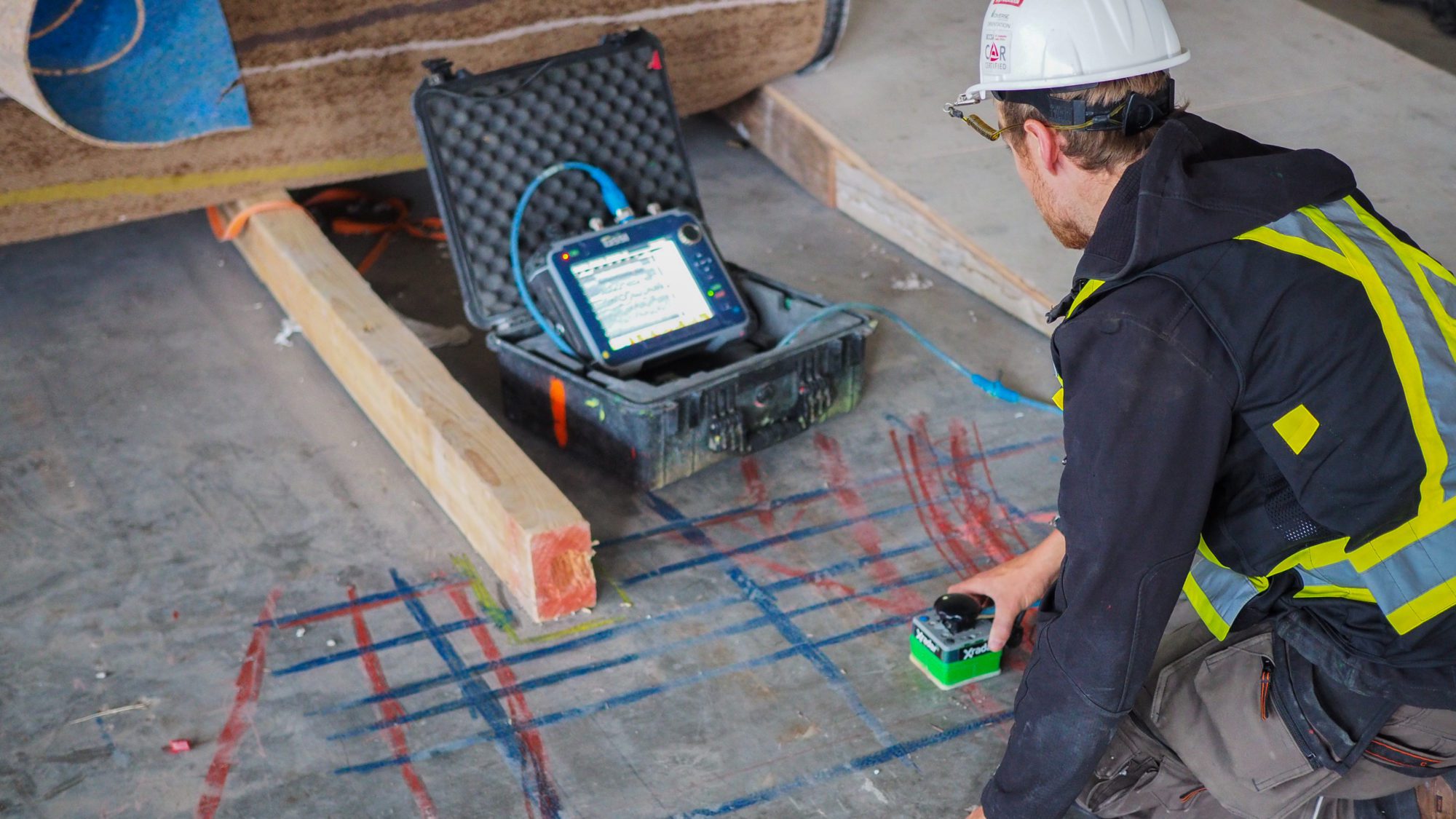
GPR’s versatility makes it one of the most useful tools in engineering, construction, archaeology, geosciences, and many other fields.
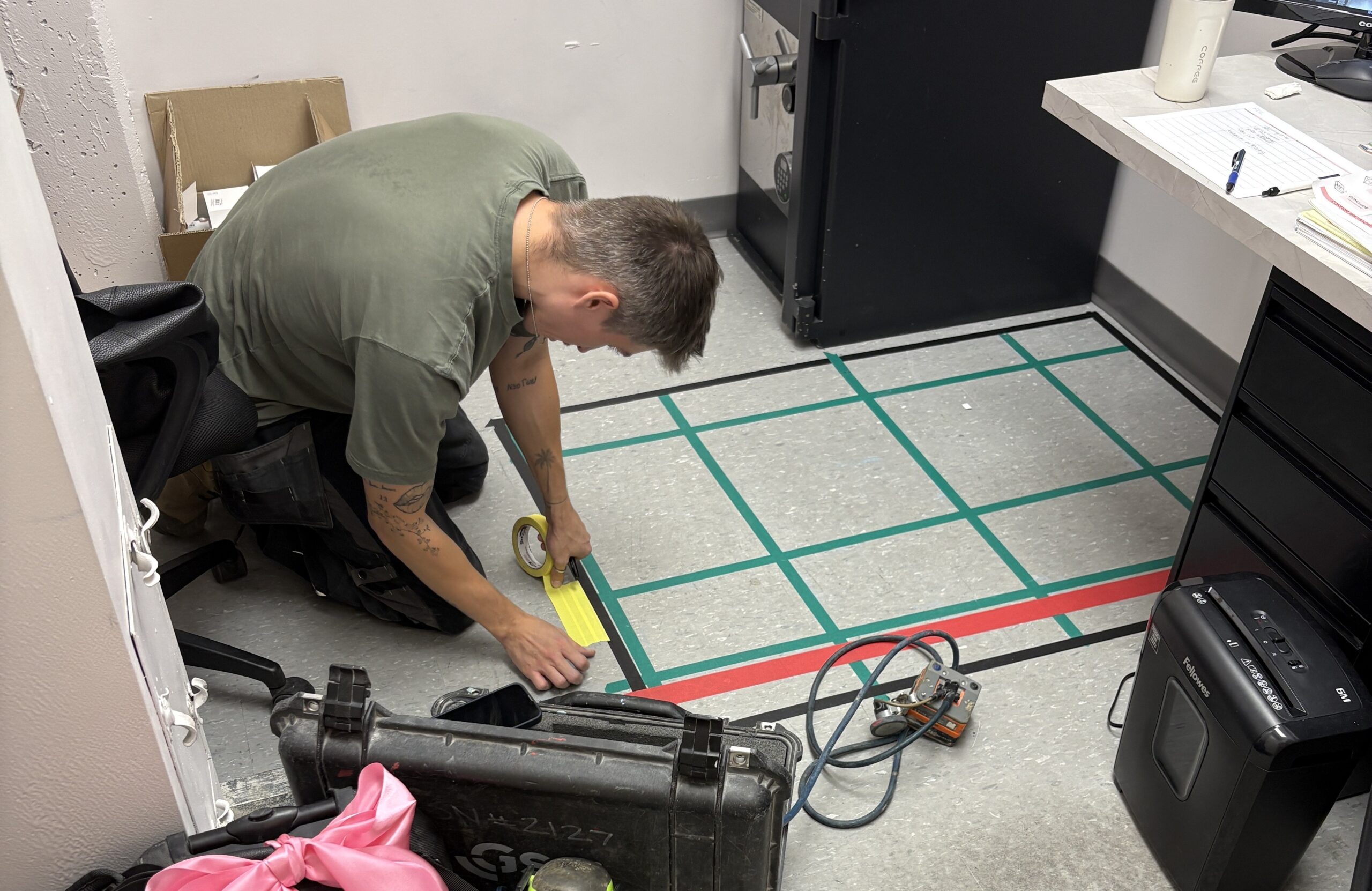
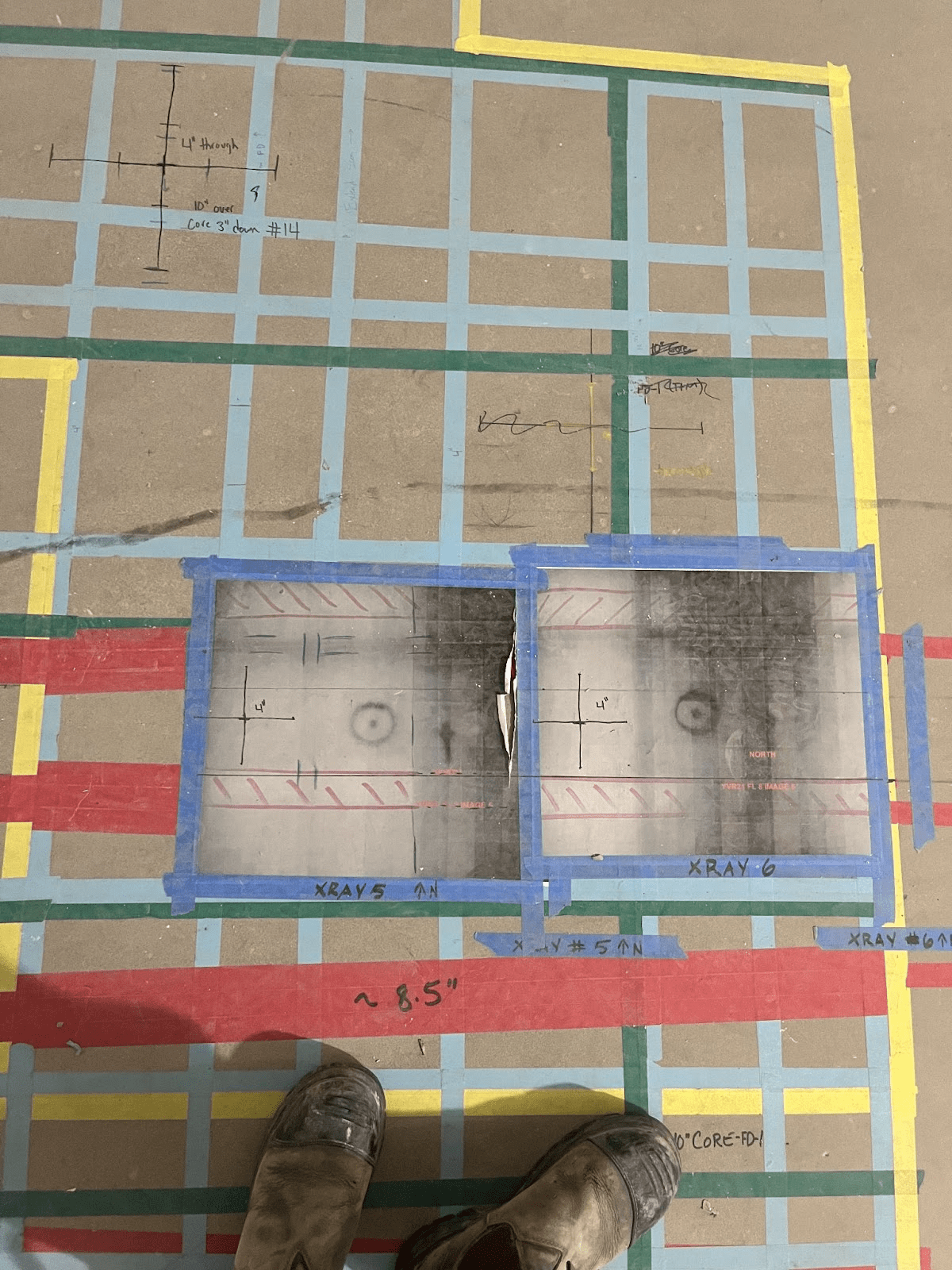
Xradar™ is Canada’s leading provider of ground penetrating radar services, with offices in Victoria, Vancouver, Toronto, Montreal, and Quebec City. Our Xradar Enhanced Concrete Scanning services are an advanced imaging capability utilizing GPR technology, which can reduce concrete scanning errors to less than 1%.
To give you a better idea of how powerful GPR is, here are some applications:
Construction and engineering
GPR is used across many aspects of construction and engineering from utility locating to structural assessments.
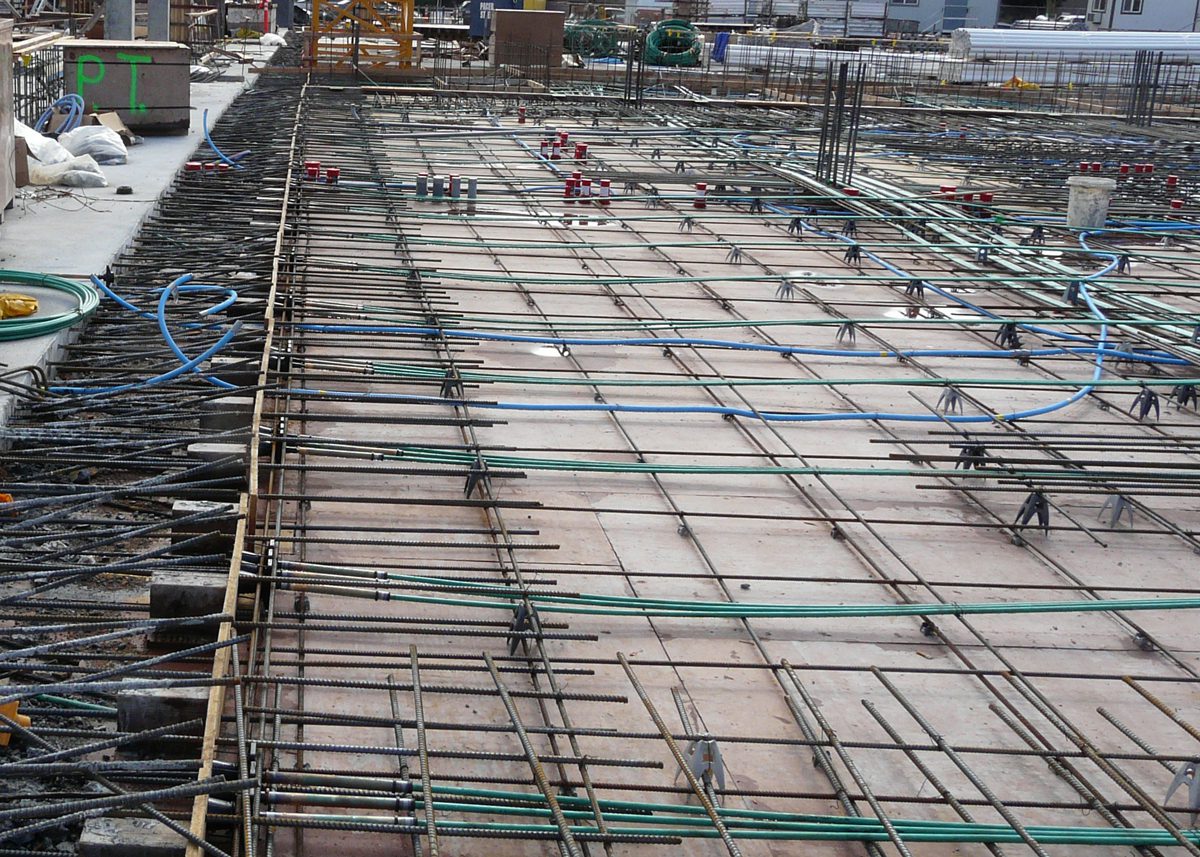
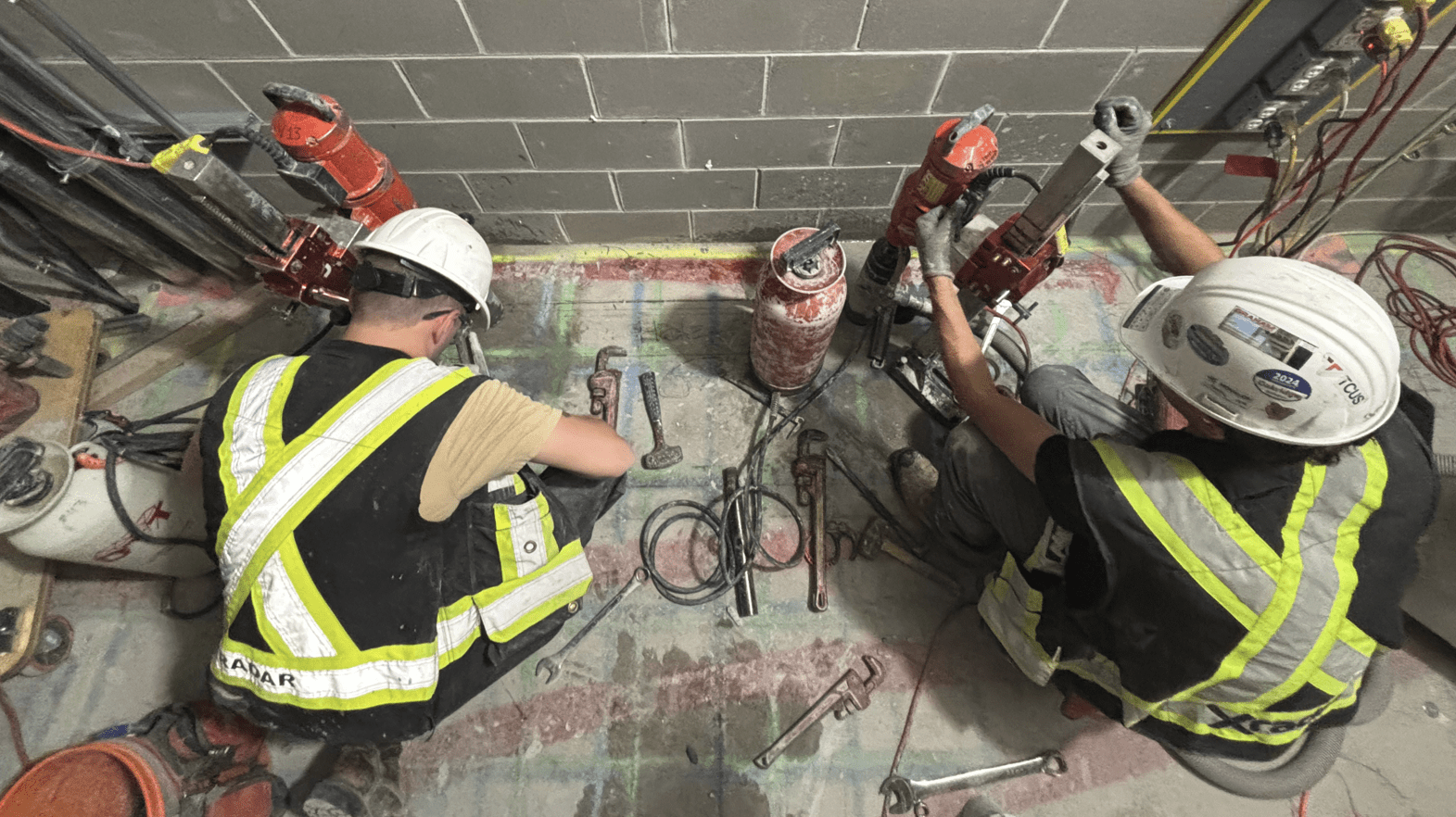
As a non-destructive form of testing it is a fast, safe and efficient method for scanning. It is used to detect obstructions in concrete such as rebar, post-tensioned cables, and conduits before cutting or coring through the concrete, meaning that engineers can identify the best location and avoid damage.
It can also be used to assess the damage and integrity of a structure by detecting voids, cracks, and mapping corrosion. Xradar also allows you to map the depth and thickness of concrete walls or slabs.
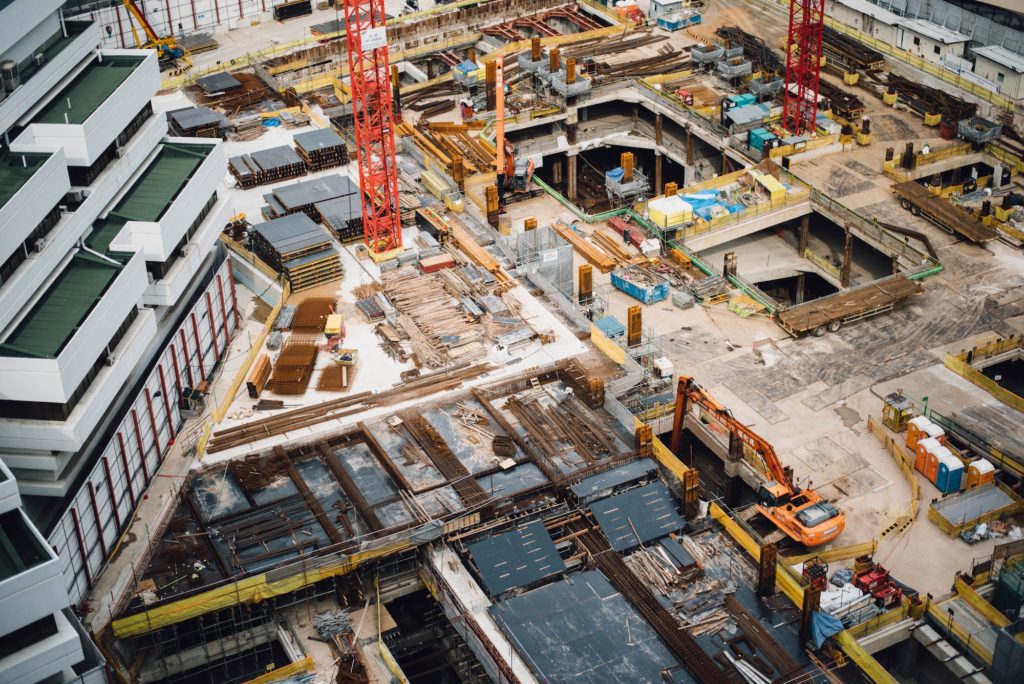
Environmental
As GPR provides a picture of what is below the earth’s surface, it can play a valuable role in environmental studies.
It is useful for locating buried drums and oil tanks which could leak and contaminate the earth. Should a leak occur it can also map the extent of contaminant and determine the direction of contaminant migration.
It is also used on landfill sites to assess the landfill limits.
Archaeological
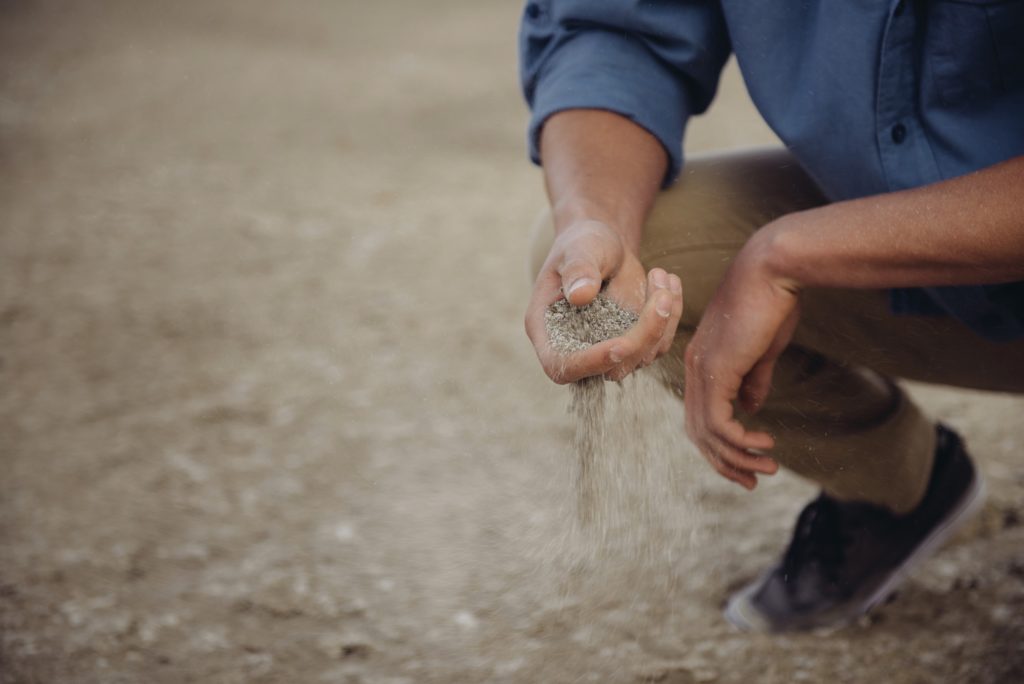
Excavating and sampling is a timely and often costly process, so GPR is vital for archaeology. It is used to determine the best dig location, identify the location of subsurface objects, and map entire sites.
The data provided by GPR is essential to archaeology, speeding up the process, and also providing an important tool to record and interpret the data of a site of interest.
Military
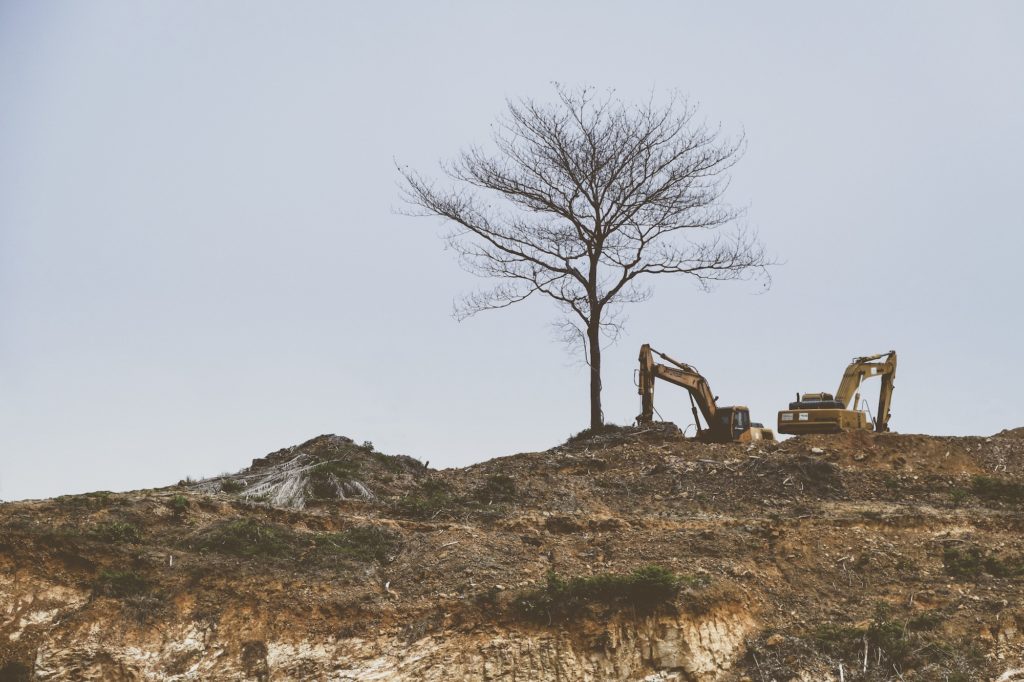
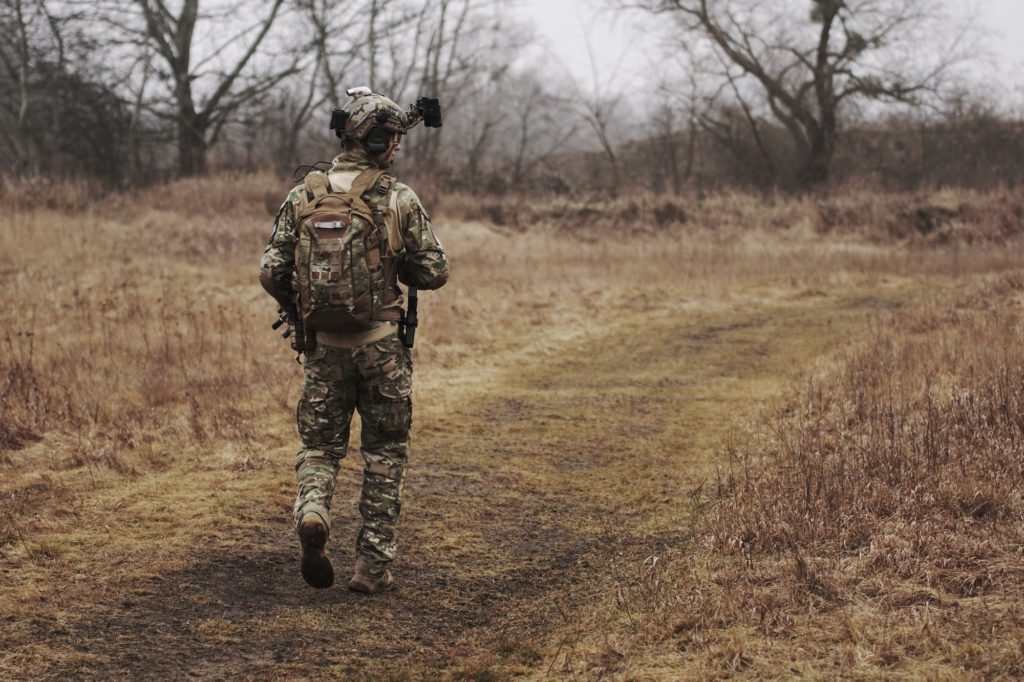
Ground penetrating radar is also used by the military as a tool for detecting unexploded items and detecting and mapping underground tunnels.
It is often used in conjunction with other geophysical techniques along with GPS.
For more information on ground penetrating radar and Xradar, get in touch with one of our expert technicians.