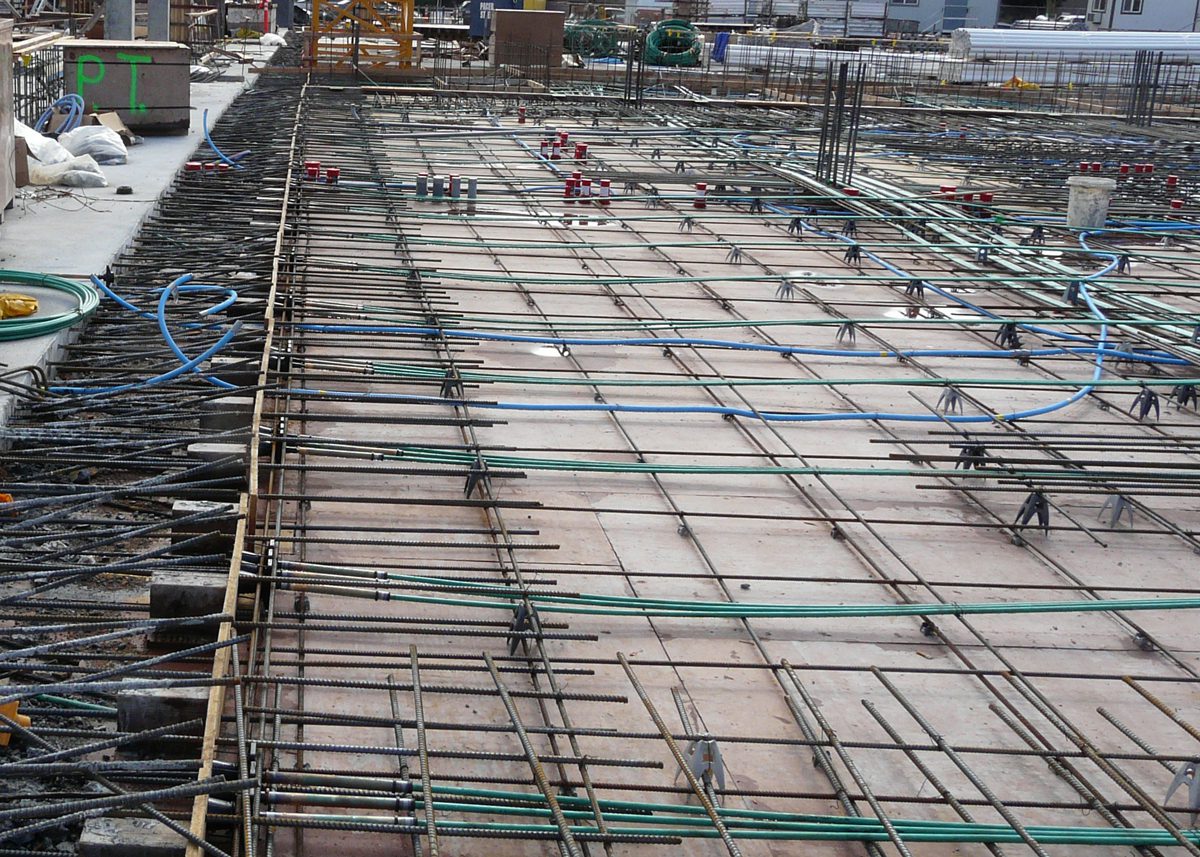
When adding steel to concrete, new problems can arise when it comes to corrosion and deterioration. Concrete corrosion is a costly problem and can create major issues and damage, especially as it can go unseen for so long. Because of this it’s incredibly important to map and check for potential corrosion in structures.
What is Concrete Corrosion?
There are many factors that lead to the corrosion and degradation of steel in concrete, but it can be reduced to three factors – steel, water, and oxygen. Eliminating any of these factors will prevent corrosion, and for the most part concrete is a great host for rebar.
The issue is created when water and oxygen are able to make their way through the concrete through pores or voids, starting the chemical reaction. Depending on the climate the corrosion rate may be quicker or slower, with extreme climactic conditions leading to a higher rate.
Benefits of Mapping
The obvious benefit of concrete corrosion mapping is the early detection of corrosion or damage, allowing for the repair of affected areas. Monitoring and mapping of potentially damaged areas is essential in order to prevent further, lasting damage.
Corrosion weakens structures and often goes unseen until it is too late. Mapping means that you can thoroughly assess your structure and prevent costly damages. The process is quick and efficient, with detailed results provided to clients within days.
The Technique
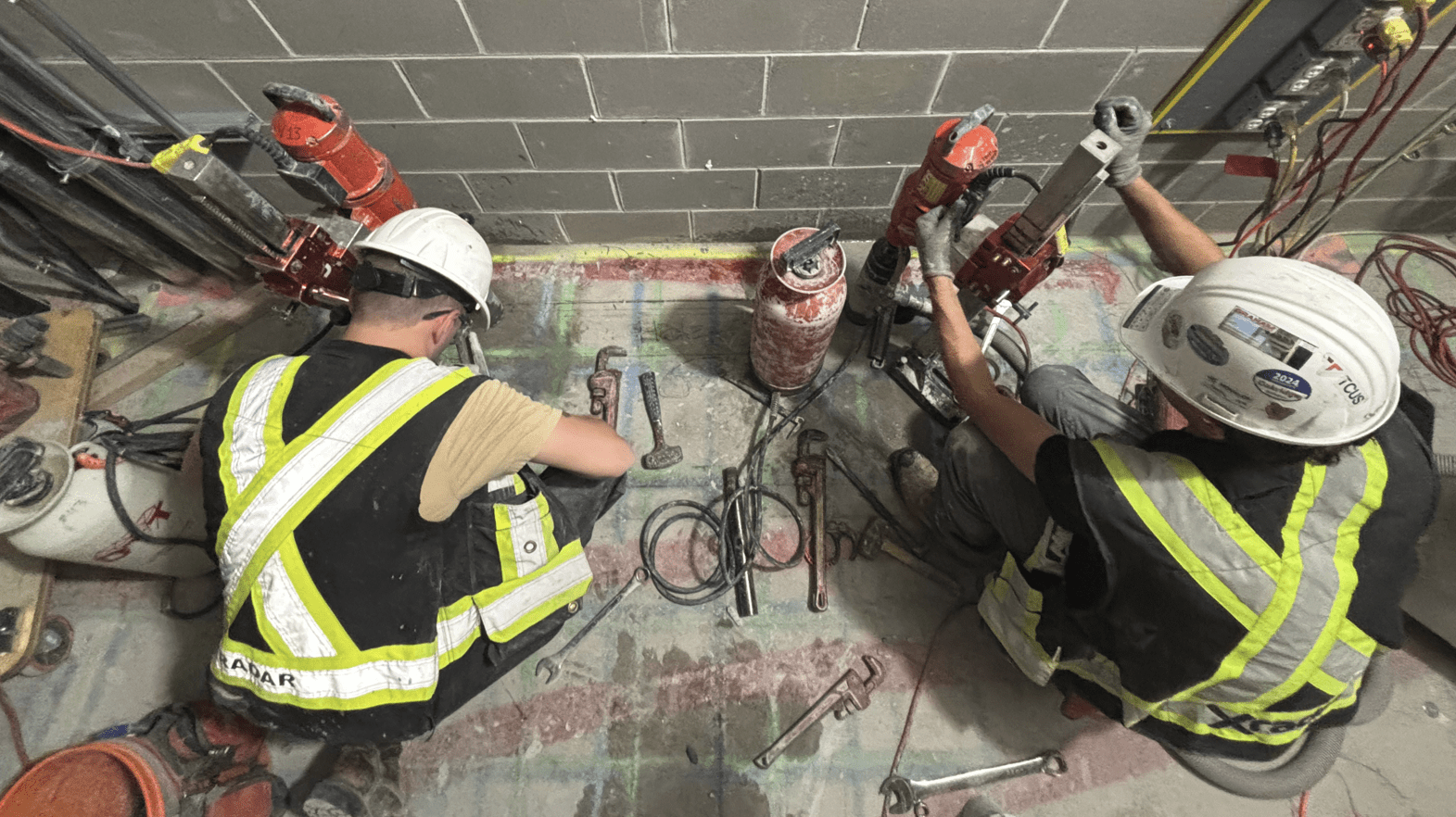
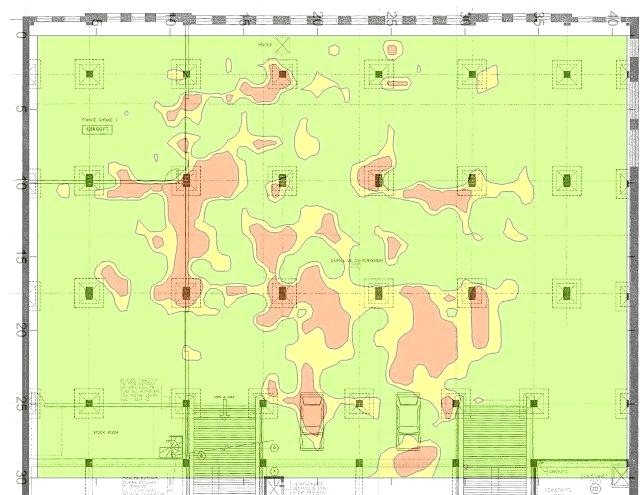
In order to map the corrosion within concrete we utilise computer-assisted image analysis of our Xradar technology. This advanced form of GPR (Ground Penetrating Radar) allows us to accurately map corrosion in concrete.
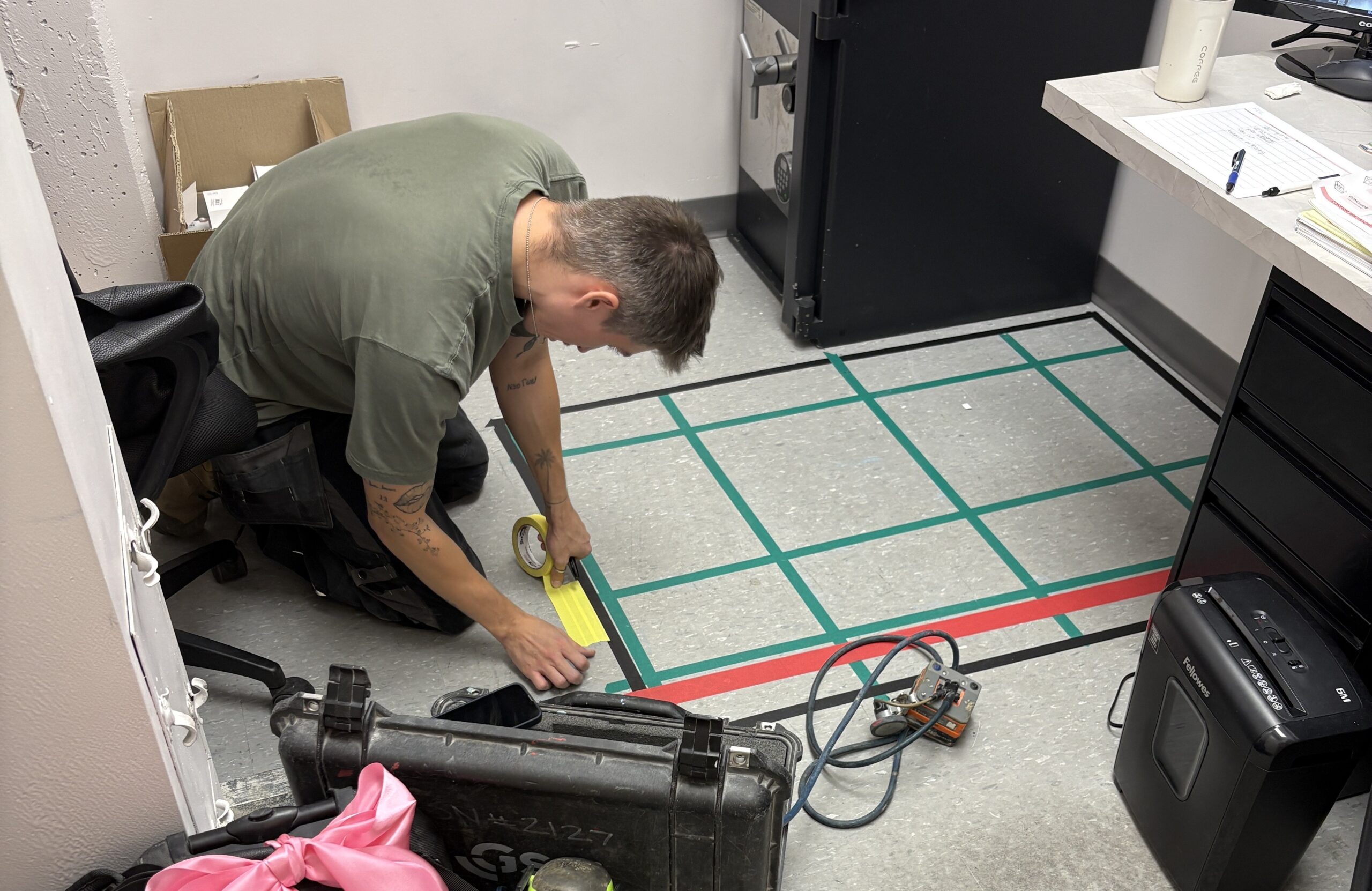
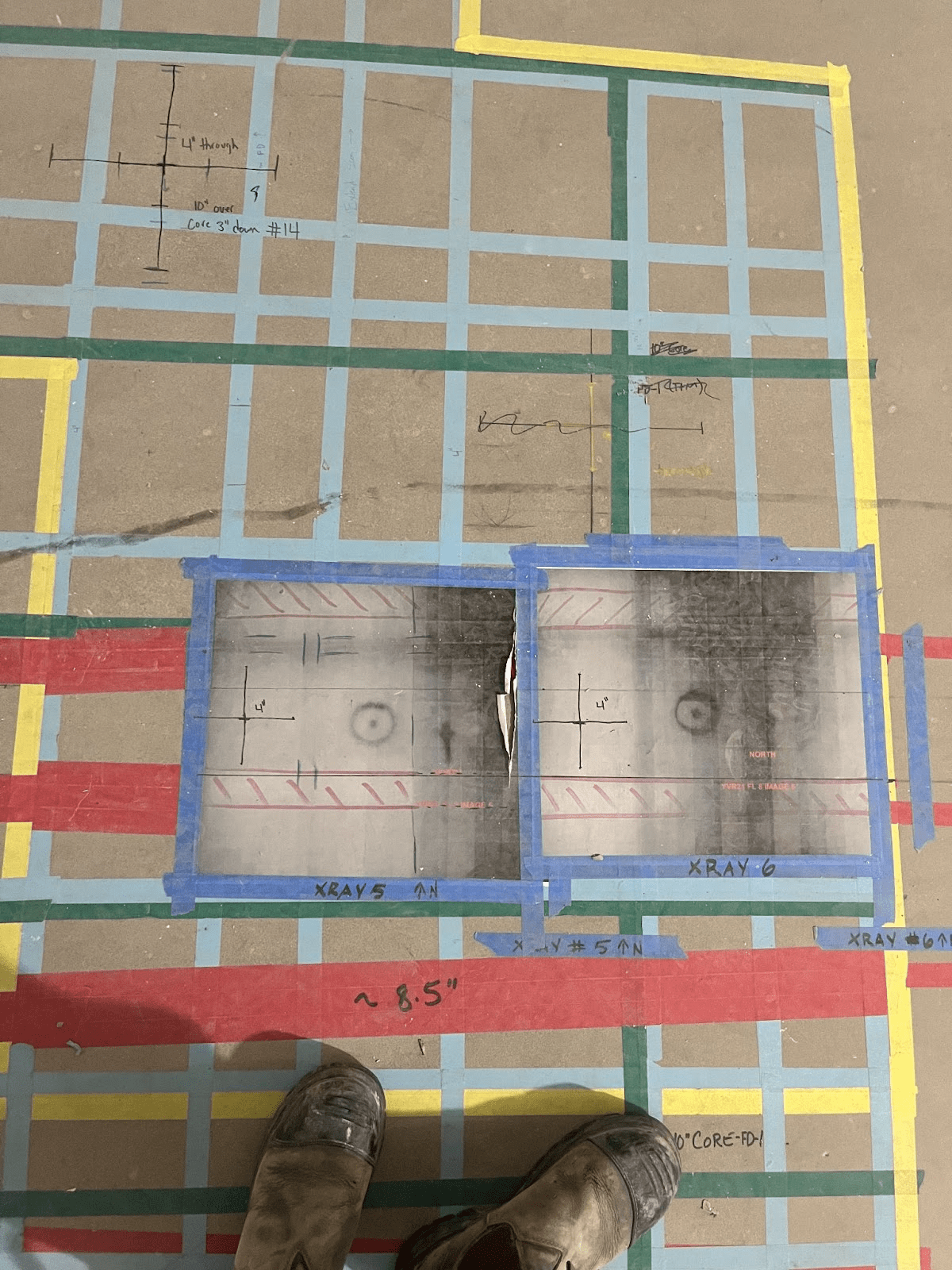
Data gathered from areas such as roads, runways, bridges, and car parks is processed by our trained technicians, who then overlay the results onto real-life drawings. This allows our clients to see exactly where the corrosion may be, and the exact extent of the damage.
For more information on how Concrete Corrosion Mapping can benefit you, get in touch.