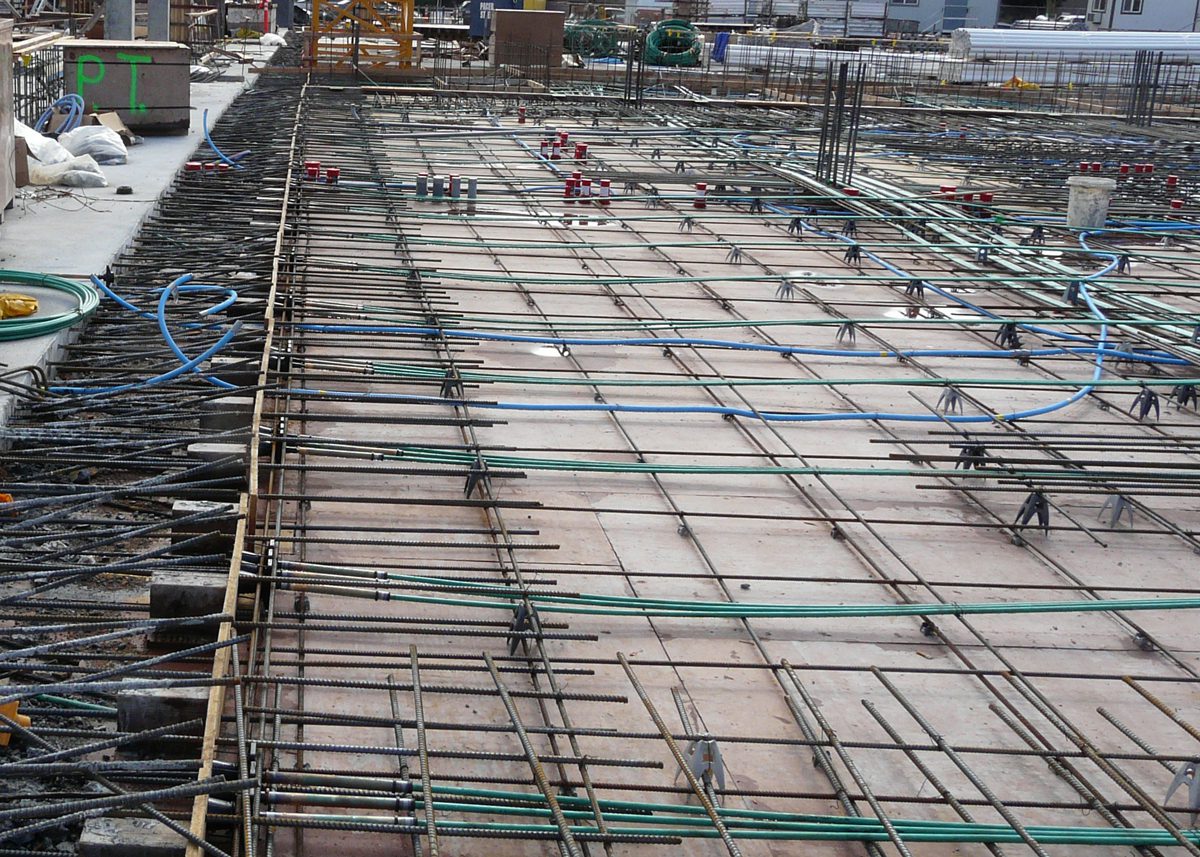
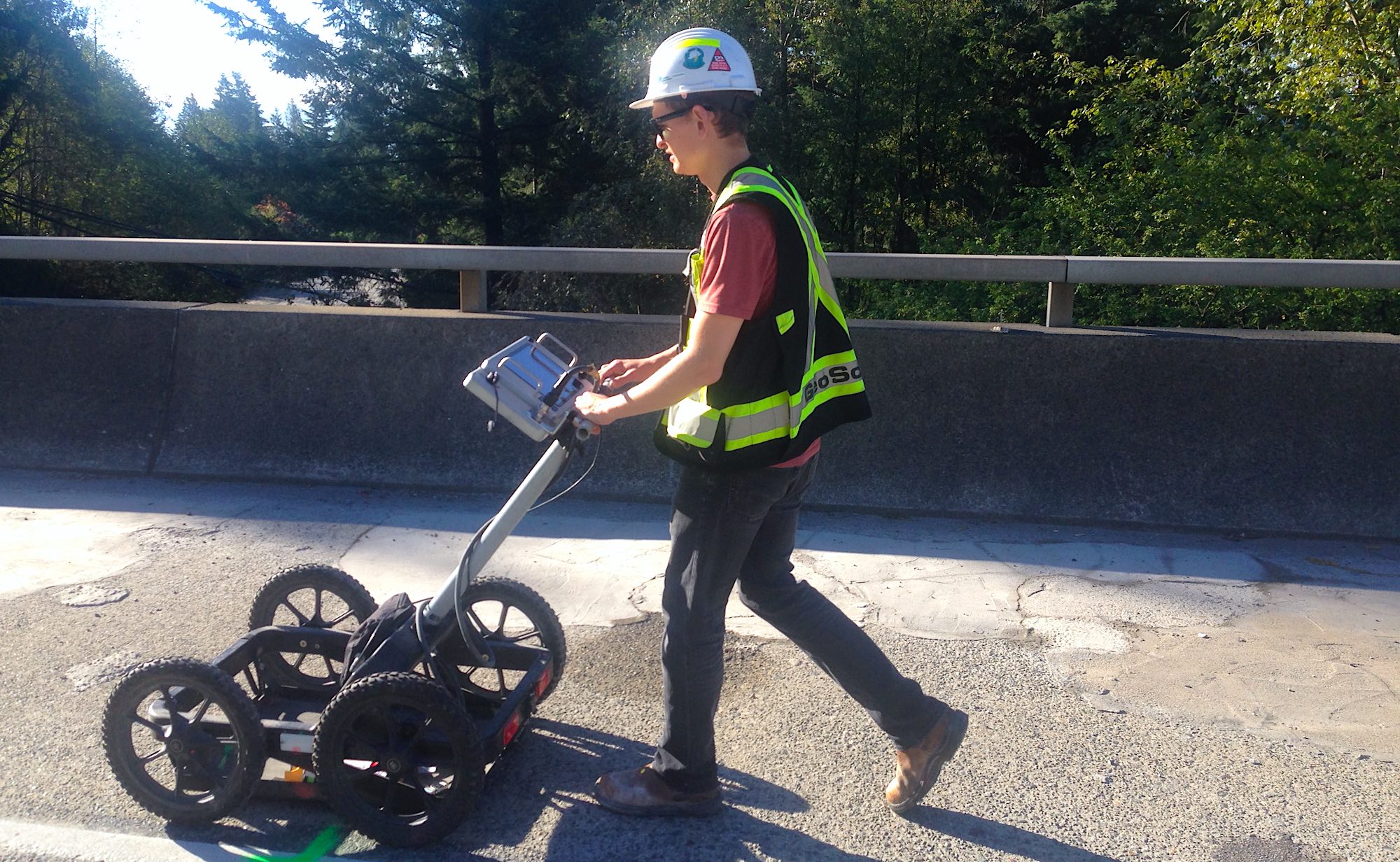
Voids commonly occur on roadways, pavements, bridges, or concrete slabs (such as floors or walls). Locating voids and addressing the problems is essential for ensuring the safety of the concrete structure.
What causes voids?
There are a number of factors that can result in the formation of voids, but typically it is linked to poor concrete construction, leaking or broken utilities, poor compaction of the subgrade, or poor drainage of the subgrade.
The above issues result in the erosion of the concrete and the formation of weak areas. These areas subsequently become voids and continue to increase in size until the load carrying capacity is compromised and they give way.
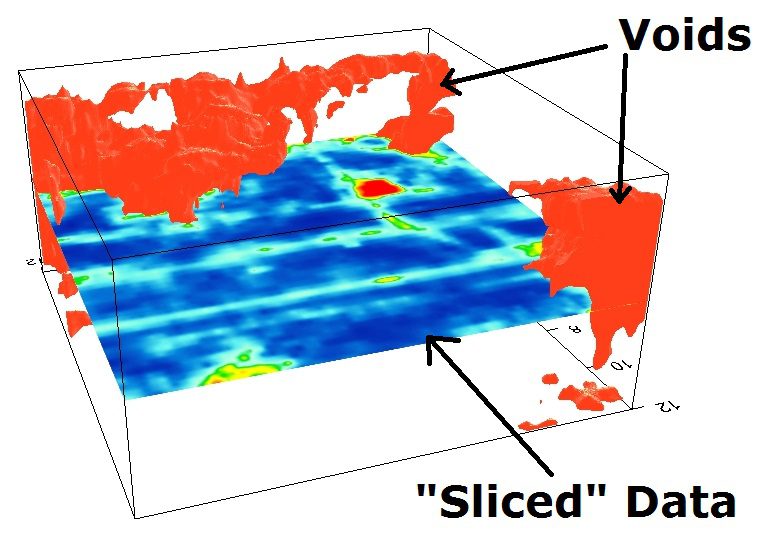
How to locate voids in concrete
Due to the serious risk associated with undetected voids, early detection is hugely important. This will allow for the effective repair and maintenance of the concrete so as to prevent any major failures.
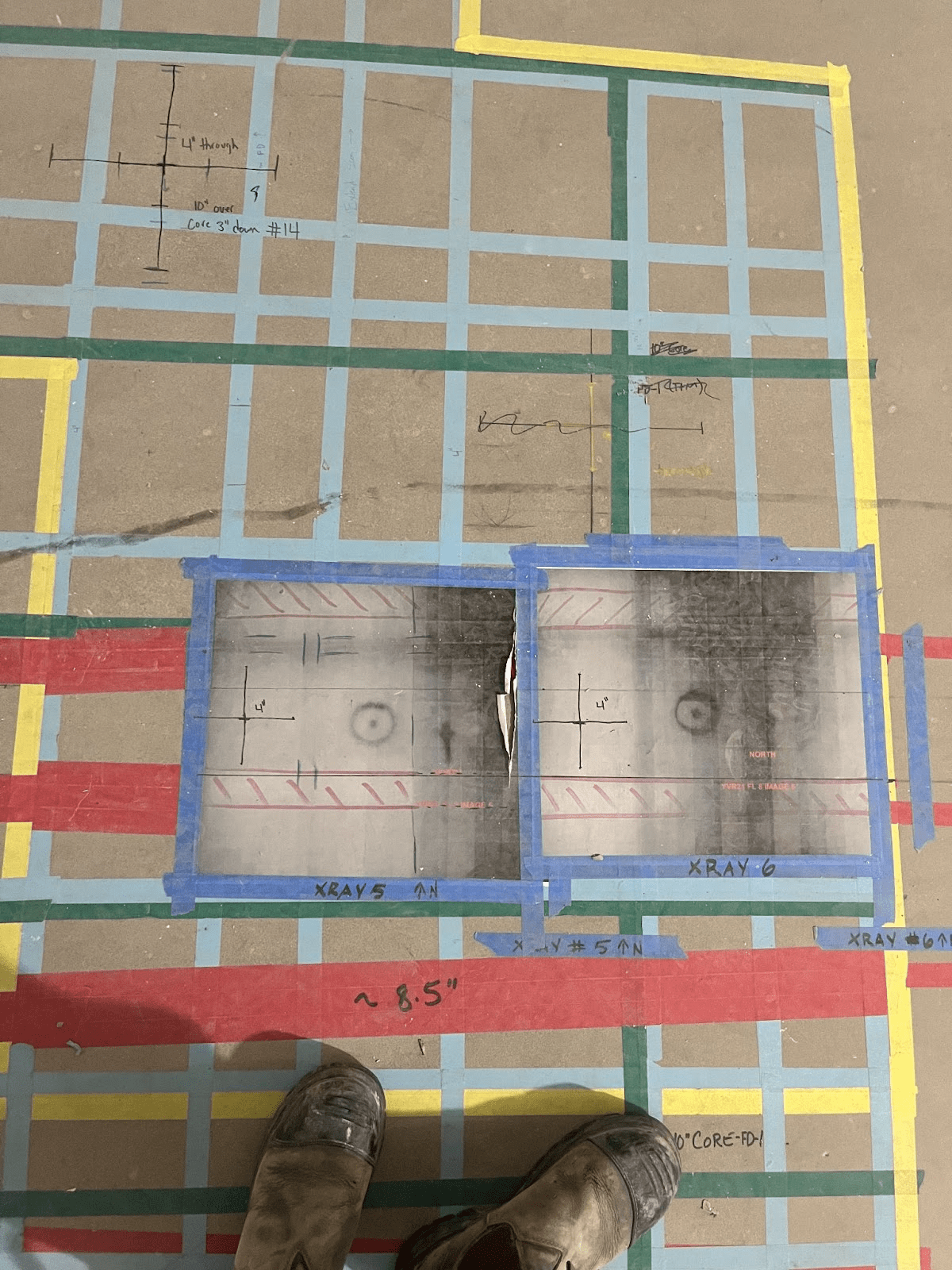
The best method for locating voids in utilizing Xradar™ Enhanced Concrete Scanning. This method accurately locates and maps the presence of voids non-destructively, highlighting the exact location and extent of the damage.
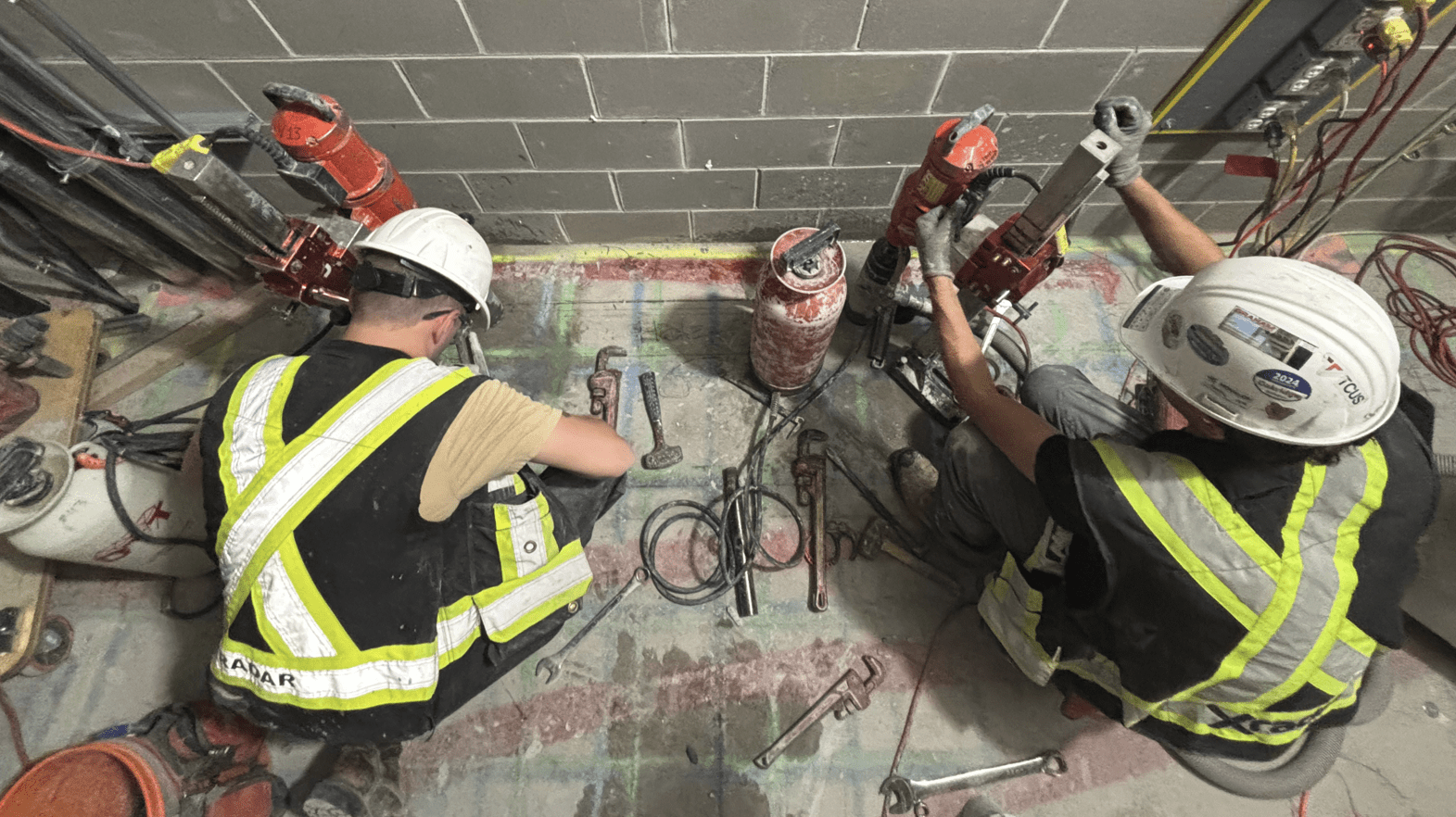
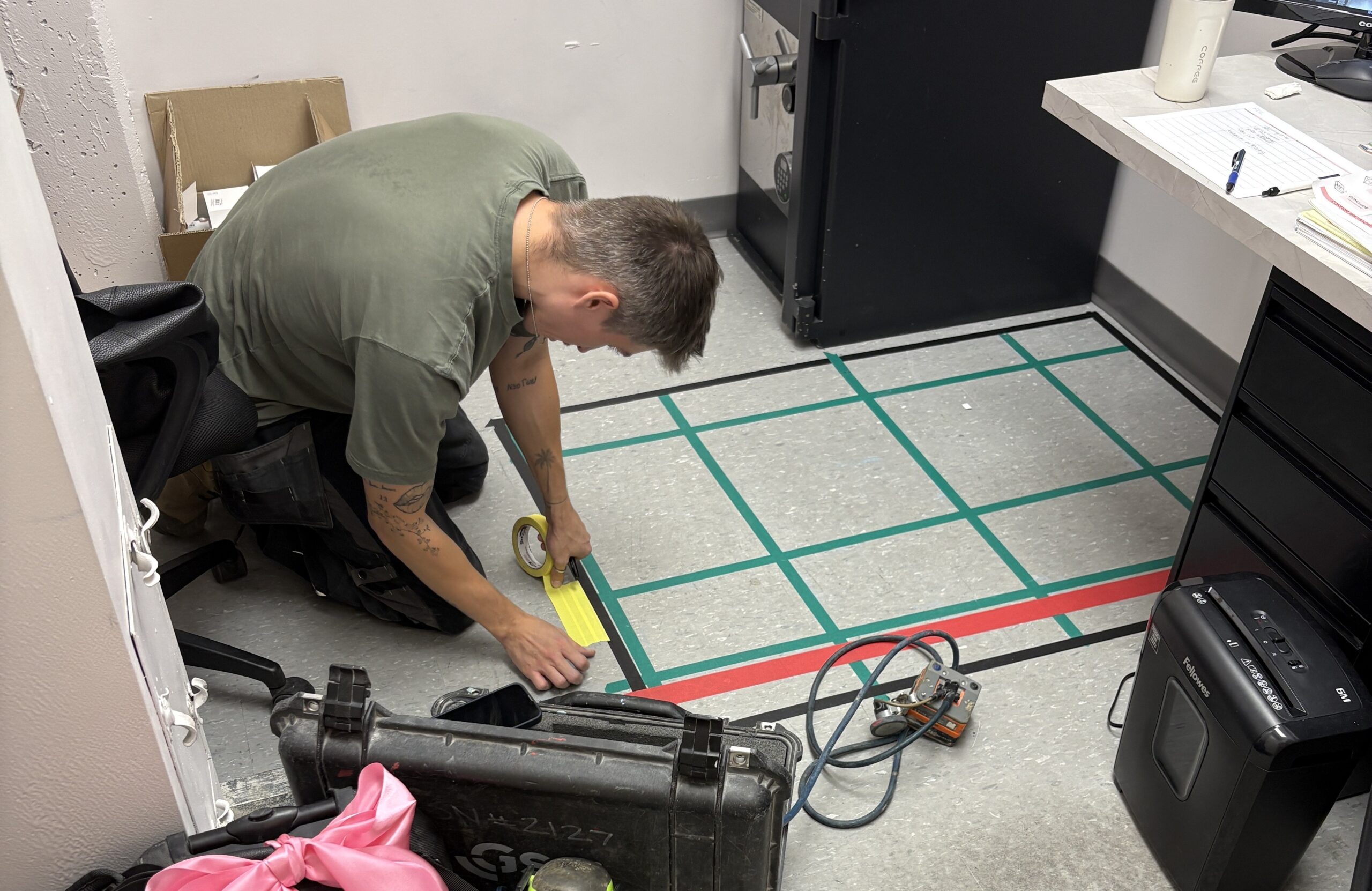
Our expert technicians conduct a scan of the suspected area and produce a void survey which outlines the presence of any detected voids. Survey results are always tailored to our clients needs and we provide a number of different reporting methods.
In addition to a standard survey, our technicians can perform a 3D laser scan of the area and create a virtual walkthrough, overlaying the results onto actual images of the site. This can also be provided in AutoCAD, allowing engineers to make fast and accurate decisions without the need for a site visit.
For more information on subsurface concrete voids and how to locate them, get in touch with one of our expert technicians.