Hollow-block, It’s empty… isn’t it?!
Voids
When we refer to a void, we are referring to an area within the concrete that has is filled with air. It can be this way for a variety of reasons. Their presence can make the overall scanning process a little more difficult as the radars signal cannot pass through air.
Whatever the reason for the void may be, many different things can be hidden inside!!
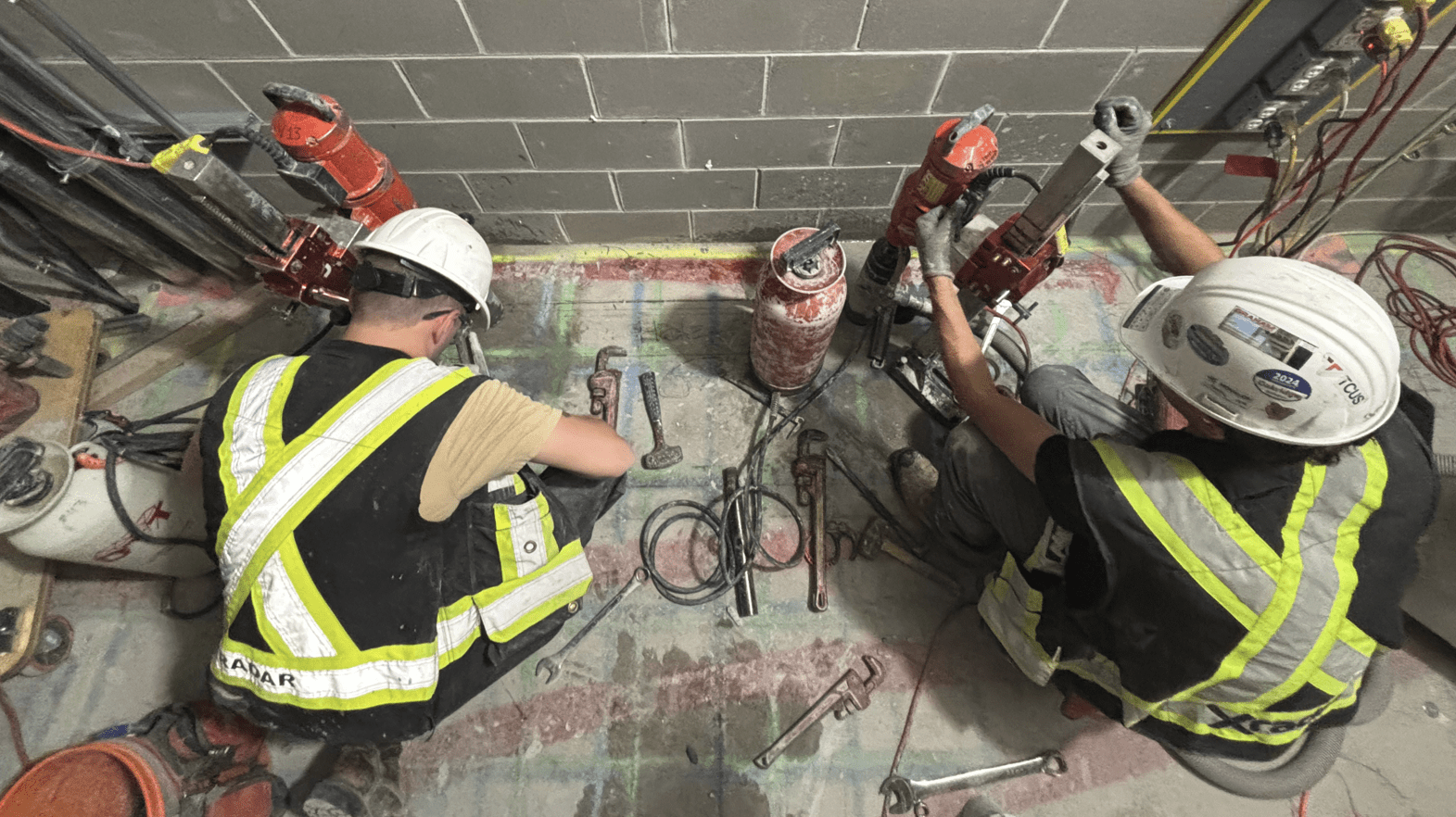
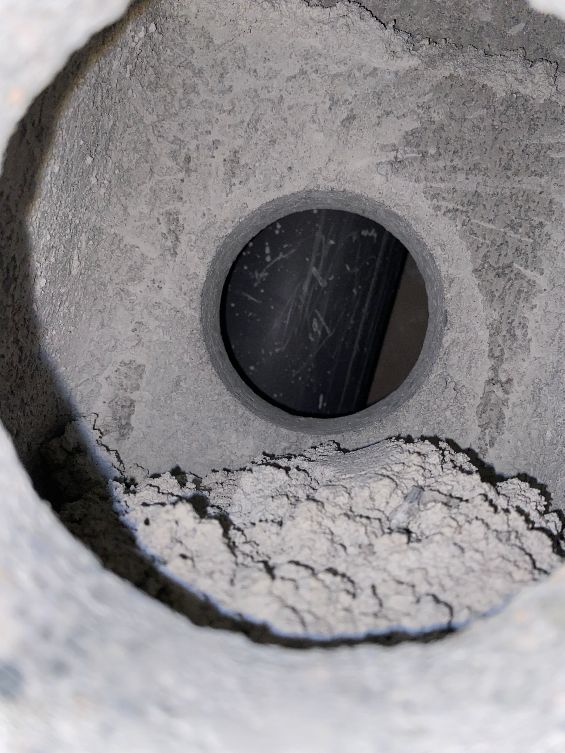
On a recent site, we were coring through a hollow block wall, with a steel stud wall on the backside, creating a void. After completing the core through the concrete, the coring technician removed the core and saw a pipe running directly on the other side of the wall.
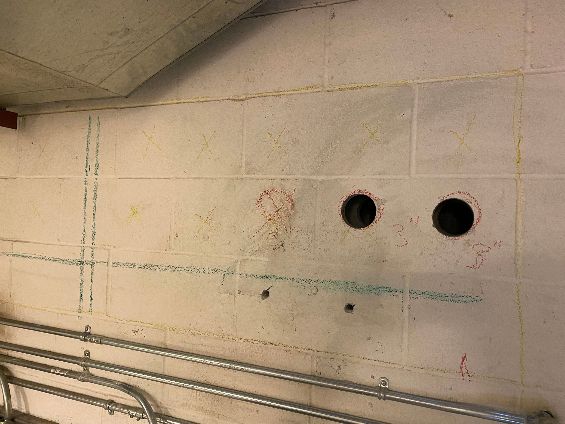
Since there was a stud wall on the backside, this could not be checked visually, nor could it be checked with Xradar due to the void between the drywall and the hollow block wall.
When do voids occur?: Intentional vs Unintentional
Unintentional voids can occur for a variety of reasons. For example, material below a slab on grade can be washed away by water flowing underneath. This causes the material to sink, leaving an air pocket below the concrete slab.
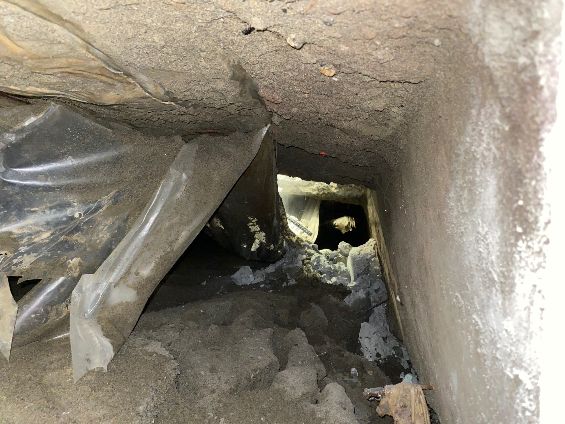
This occasionally occurs on roadways which can lead to sinkholes. A Subsurface Void Locate can detect these voids before they become issues. Voids can also occur due to corrosion, or other issues within the slab. These voids are cause for concern as they can compromise the integrity of the slab or other concrete structure. If unintentional voids are suspected in a slab, Void Detection is highly recommended.
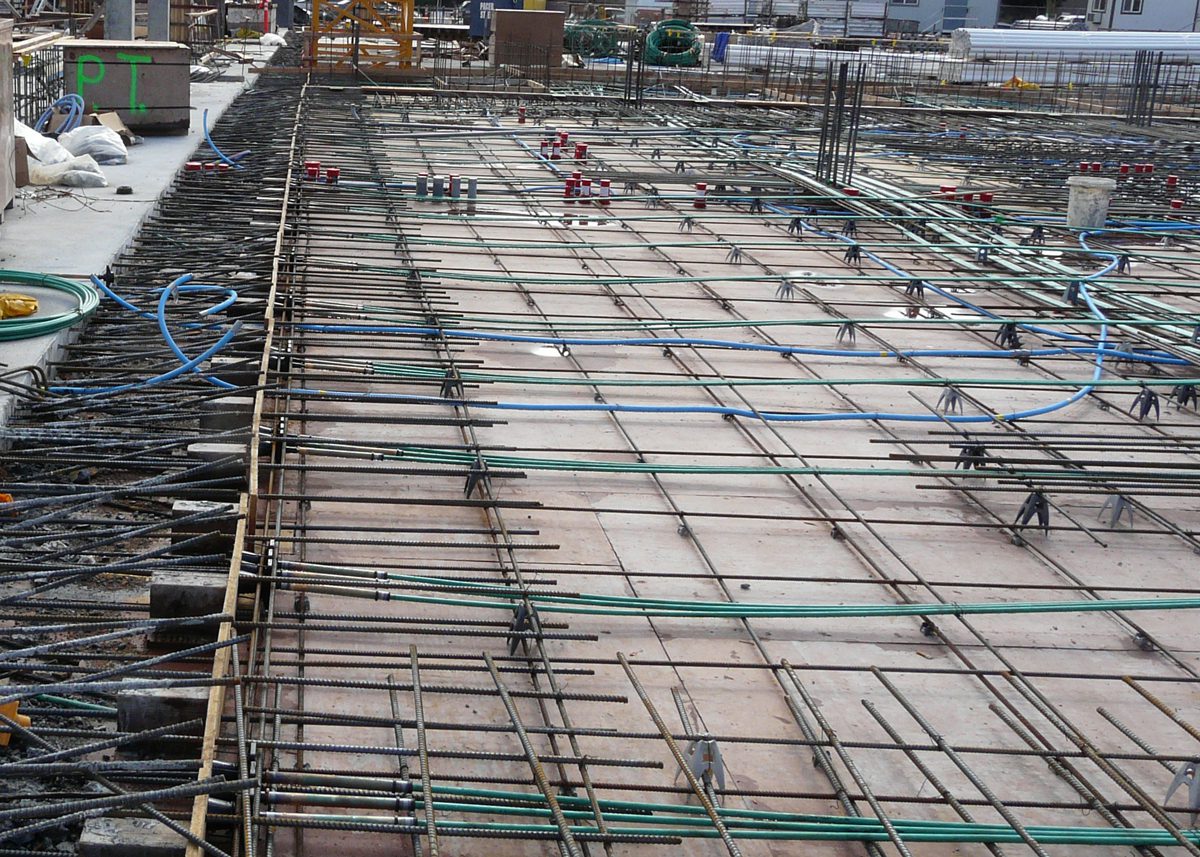
Intentional voids occur most often when installing concrete that is not poured on site. A Precast concrete slab is an example of concrete that is not poured on site. Precast slabs are concrete slabs that have been poured and cured at a facility, then shipped to the site and installed there. Often, they are poured with hollow cores inside, to allow electrical and plumbing lines to be installed within the void. Perhaps the most common occurrence of an intentional void is hollow block walls. These walls are often built after the structural slab and walls of a building have been built. They are a cost-effective alternative to building forms and pouring every individual wall. As with precast slabs, these blocks are often left intentionally empty, and occasionally have plumbing or electrical lines inside. Sometimes they are even filled with concrete with rebar installed.
Why are voids an issue for scanning?
Voids become an issue for scanning due to the physics of radar and gases like oxygen, but in simple terms, concrete does not reflect radar in the same way that air does. This means that while we can see through concrete to where a space with air is located, we cannot see targets within the void.
Solutions
In the example above, our technician was trained to core only through the concrete and to stop and check within each void before continuing through. This allows us to check each void visually for any potential targets. When there is any concern that a target may exist within a void, exposure of the void, and a visual inspection is the only way to avoid any potential damages.
Seen instances like this?
Give our Xradar team a call, our experienced technicians will have the solution to help with your project!