
Overview
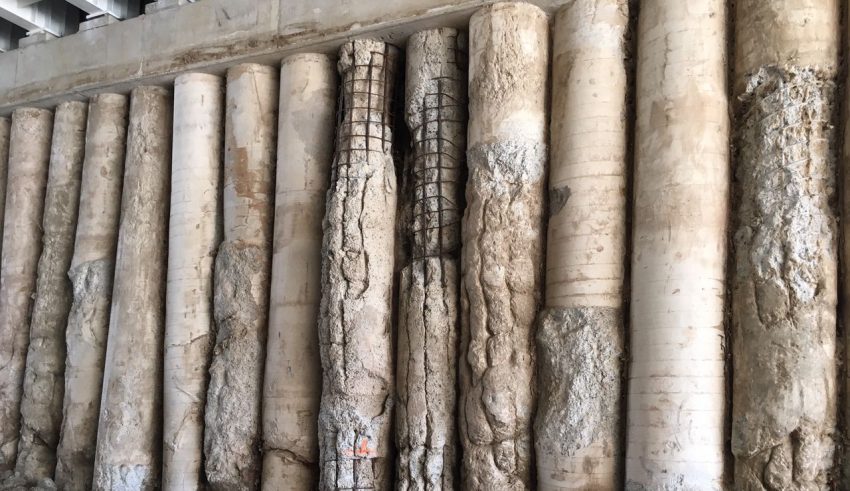
Both sonic and impact echo are part of the ultrasound method family and widely used to evaluate the integrity of concrete and masonry structures.
Benefits
Applications of Sonic & Impact Echo
Xradar™ has applications in a number of fields. Most commonly it can be used in construction and engineering fields as a form of non-destructive testing (NDT) on structures and pavements.
Impact and Sonic echo used for a variety of applications. They both can measure the thickness of an unknown slab, beam, pier or any other concrete or masonry structure.
Impact echo is used to determine the location and extent of defects such as; cracks, delamination, voids, honeycombing and debonding in plain, reinforced and pre or post-tensioned concrete structures.
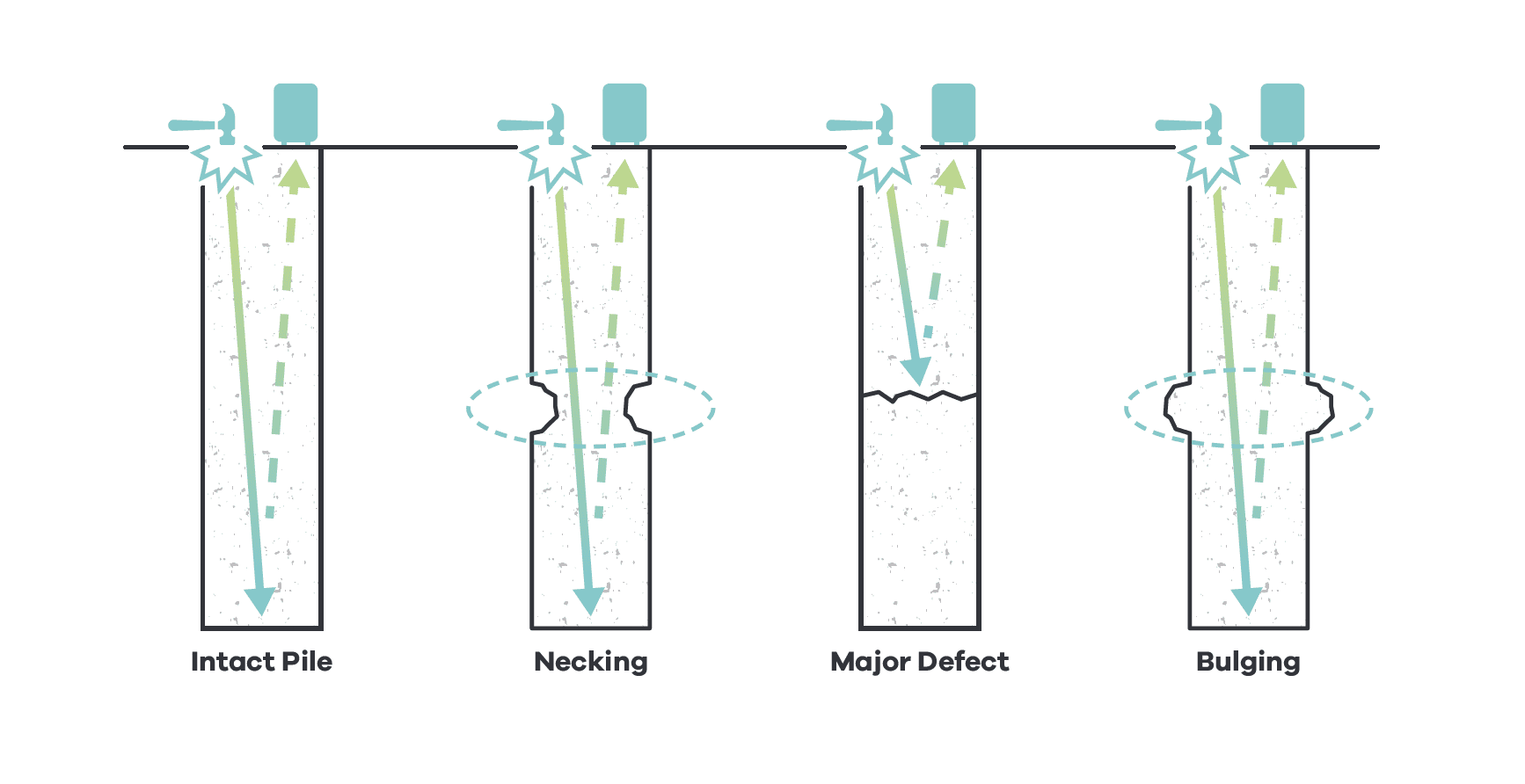
Sonic echo is mainly used to measure large concrete structures, such as the thickness of piles or piers.
Technology
An impact is generated on the surface that produces a stress wave. The generated wave propagates into the structure and is reflected by internal flaws and external surfaces. The reflections of the propagating waves create modes of vibration that are recorded by the transducer on the surface and processed to determine the depth of the defects. The data analysis and interpretation is based on the used technique and the initial results can be produced on site.
Xradar is using advanced equipment to make sure the collected data is reliable, and the results are accurate.
FAQS
Service FAQs
Please review these frequently asked questions about our services. If your question isn’t here, please contact our team.
More FAQs & Resources-
This very much depends on the specifics of the area needing scanning – the size, the depth, the access points, the contents of that slab, and your motivation for scanning in the first place. A scan could take anywhere between 30 minutes and a few hours, depending on the situation. Larger or multi-slab projects may take longer, but we’ll always estimate timelines before work begins.
-
Yes – a huge advantage of GPR over X-ray. Our technicians are also trained and equipped for live construction environments, with in-depth knowledge of your projects. We coordinate with your safety officers and comply with all site-specific requirements.
-
-
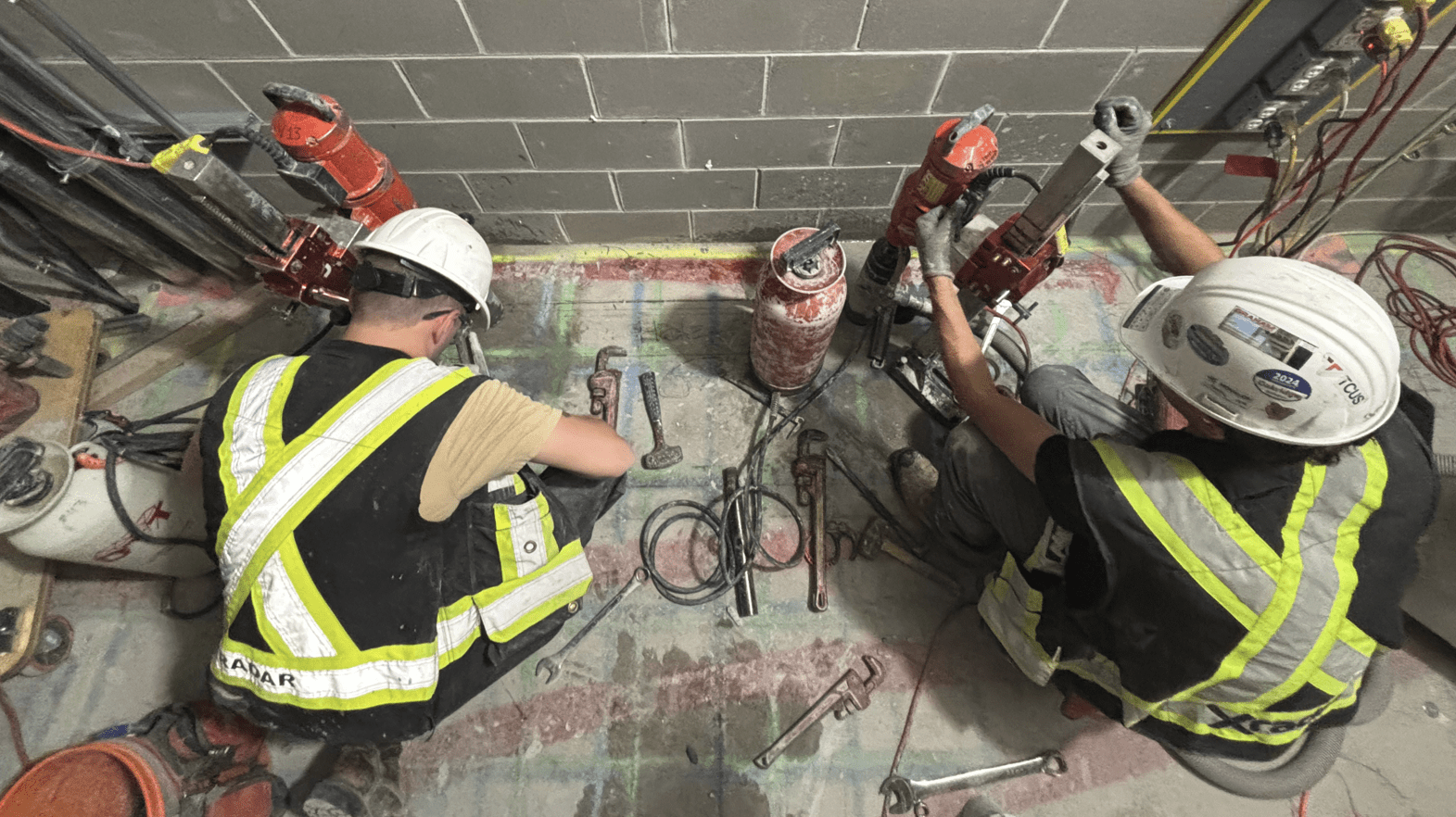
We provide both scanning and cutting/coring services. Our scanning always comes first to ensure safe drilling; then our coring/cutting teams (who are trained to read Xradar scans) execute using the scan data.


Related Projects
Recent Examples of Our Work
A look at some of our recent projects – from small site scans to complex structural assessments. These projects show the variety of work we do, and how our accuracy keeps your project on track.
Explore Projects by Category
- Building Information Modelling (BIM)
- Concrete Coring
- Concrete Corrosion Mapping
- Concrete Cutting
- Concrete Scanning
- Delamination Detection
- GRAD
- Indoor Utility Locating
- Pre-Design
- Pre-Design Scanning
- Pre-Pour Documentation
- Structural Investigation
- Ultrasound Investigation
- Visual Inspection
- Void and Crack Detection
- Void Detection
- XRSounder
Related Resources
Learn More About Our Approach
Stay informed with Xradar’s collection of technical resources, industry insights, and expert guides.
Explore Our Resources-
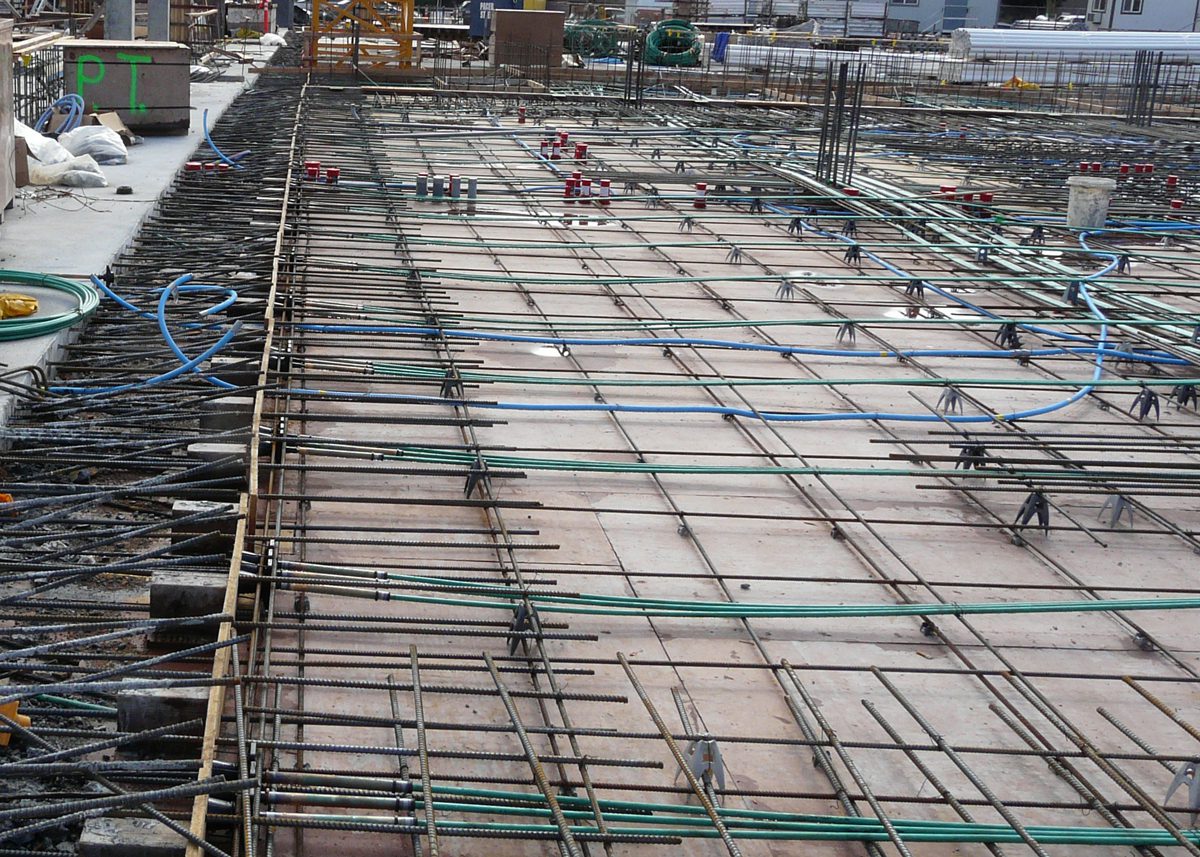
The Importance of Detecting Post-Tension Cables Before Drilling
When it comes to concrete construction, few hazards carry as much risk as post-tension (PT) cables. These high-strength steel tendons are designed to reinforce and stabilize slabs, and they are tensioned with tens of thousands of pounds of force. Striking one while drilling or coring is a costly mistake.
-
Xradar Concrete Coring Guide to Best Practices
Concrete coring is a critical process in construction and infrastructure projects, allowing precise access to reinforced concrete structures for electrical, plumbing, and mechanical installations.
Get Started With Xradar
No matter the size of your project, we’re ready to help. Connect with your nearest Xradar office to get accurate results, clear communication, and fast turnaround times.
Book Now