Pre-design Scanning of Local Dental Office
Overview/Intro
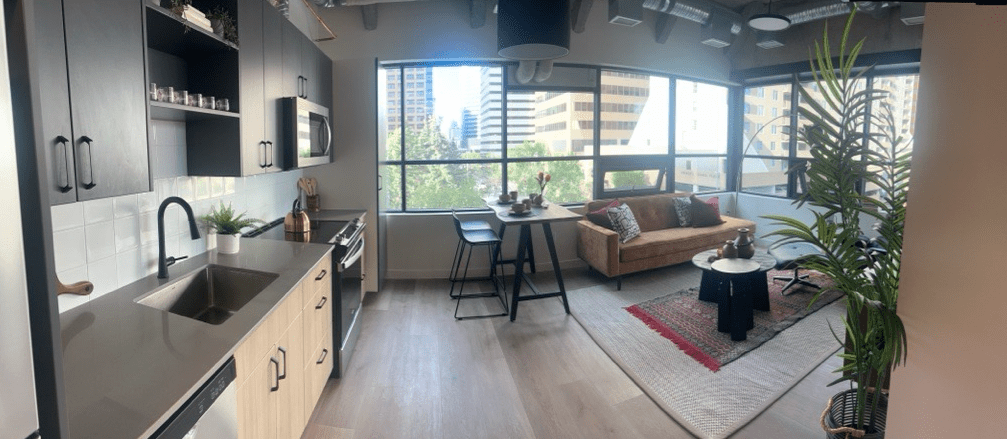
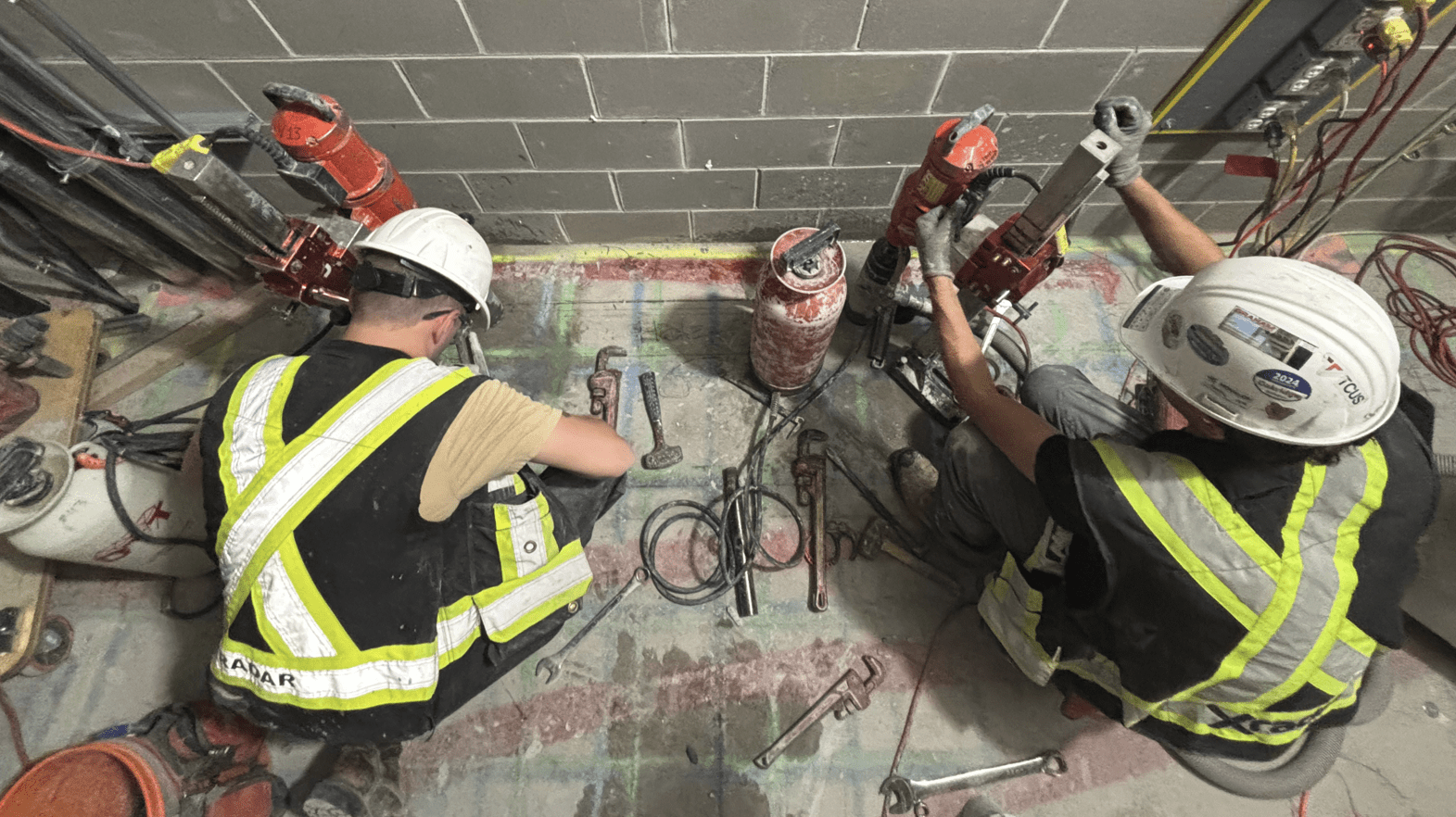
Xradar was contacted by a client building a dental office in a recently constructed space. The site required over one hundred core holes through a 14” thick suspended slab – relatively typical of a dental office. We know that from our extensive experience working on dental office fit-outs that the scanning & coring process can become needlessly expensive, often resulting in project and occupancy delays. However, we have also come up with a method to mitigate these expenses and time delays.
The Challenge
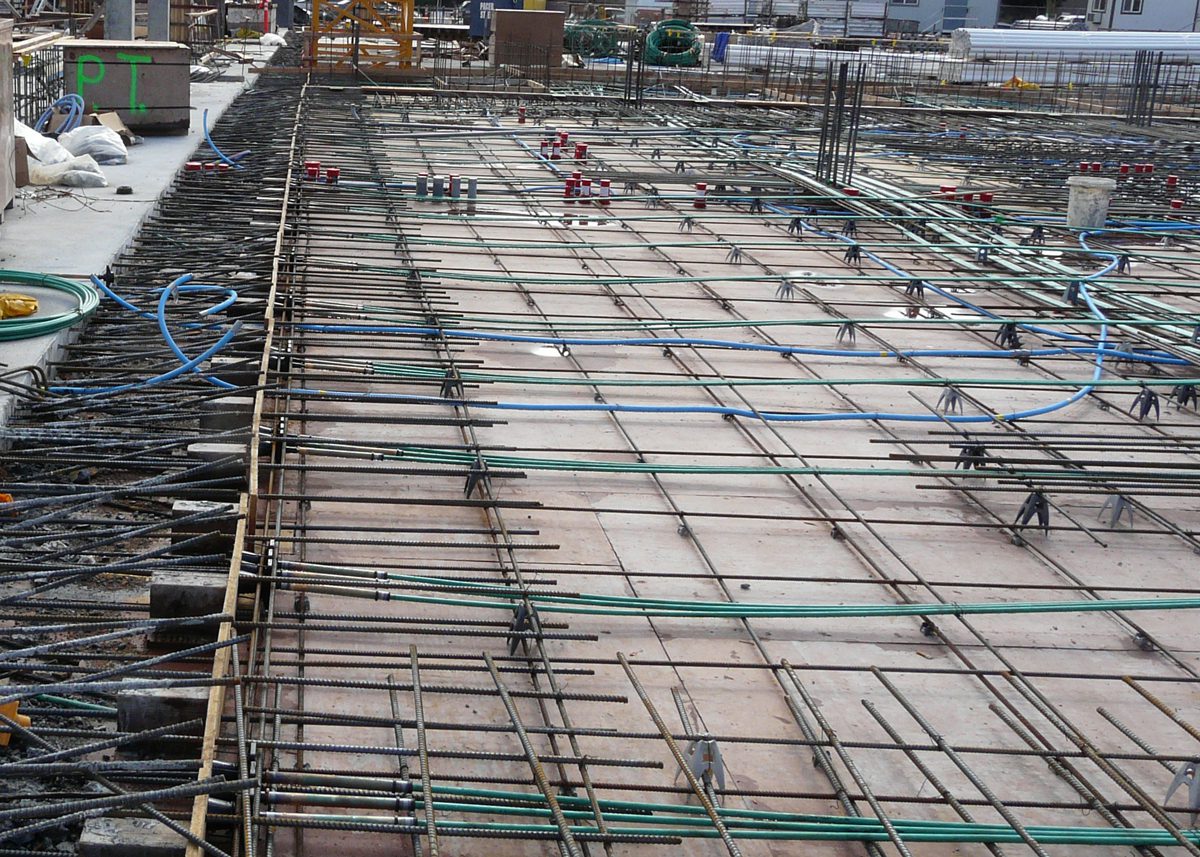
The real issue is that you can be guaranteed core holes will be laid out in positions that conflict with embedded objects in the slab, whether that be rebar, conduit, heating lines or post-tensioned sables. The design of slab penetrations will have to be revised and there will be a subsequent need for scanning of the newly proposed locations with the caveat that this cycle may repeat itself multiple times.
Our Solution
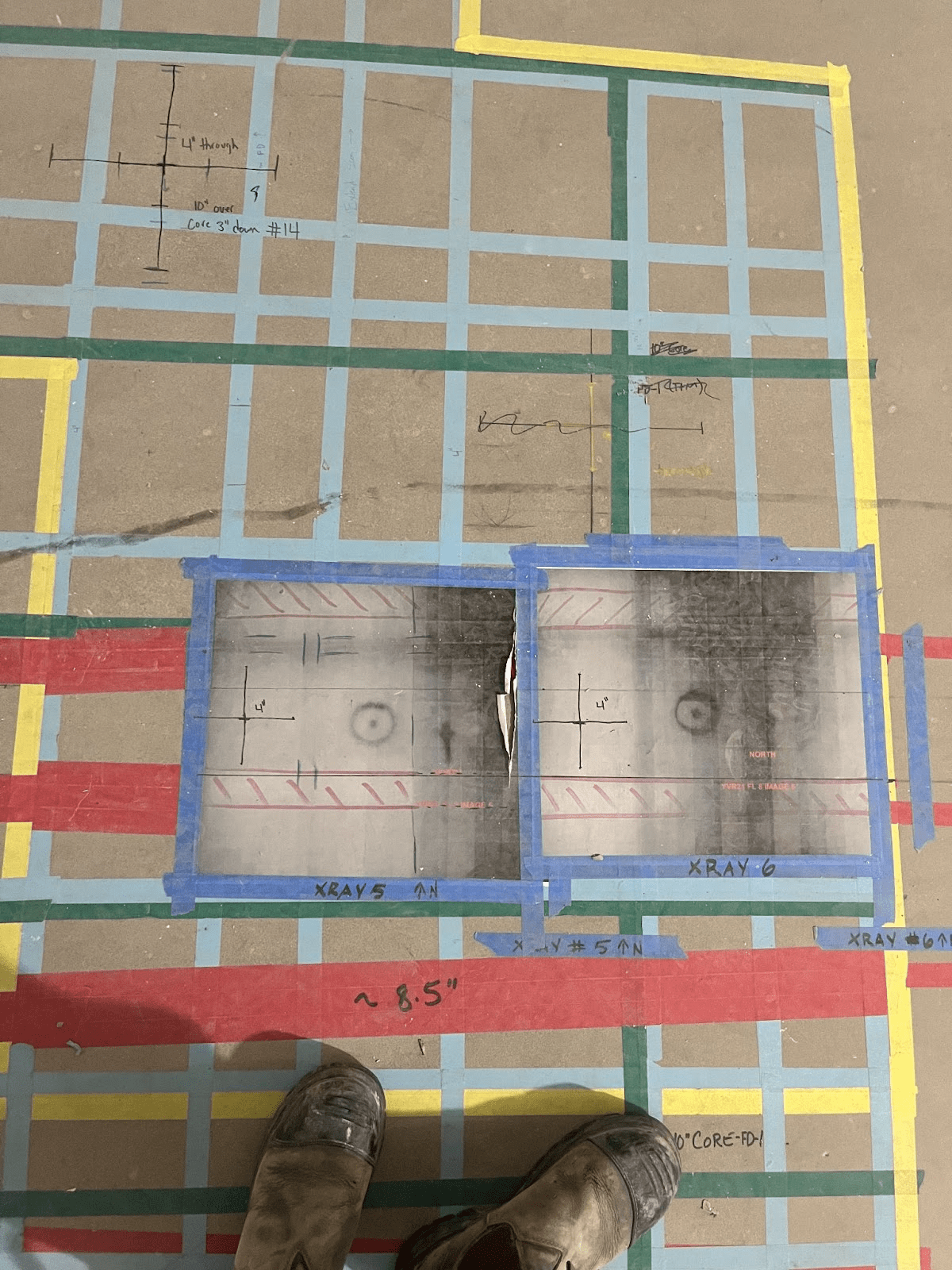
The client was concerned about potential redesign costs if some or all the proposed core locations had to be moved during construction. We proposed using our pre-design approach whereby we scan larger areas of concrete (around which locations are likely to go, but do not have a fixed place) and we then use the on-slab markings to produce a floor-plan detailing the precise location of all embedded objects. The client can then lay out their core locations around the results of the scanning, facilitating conflict-free layout and saving the client lots of time and money in the process.
Methodology
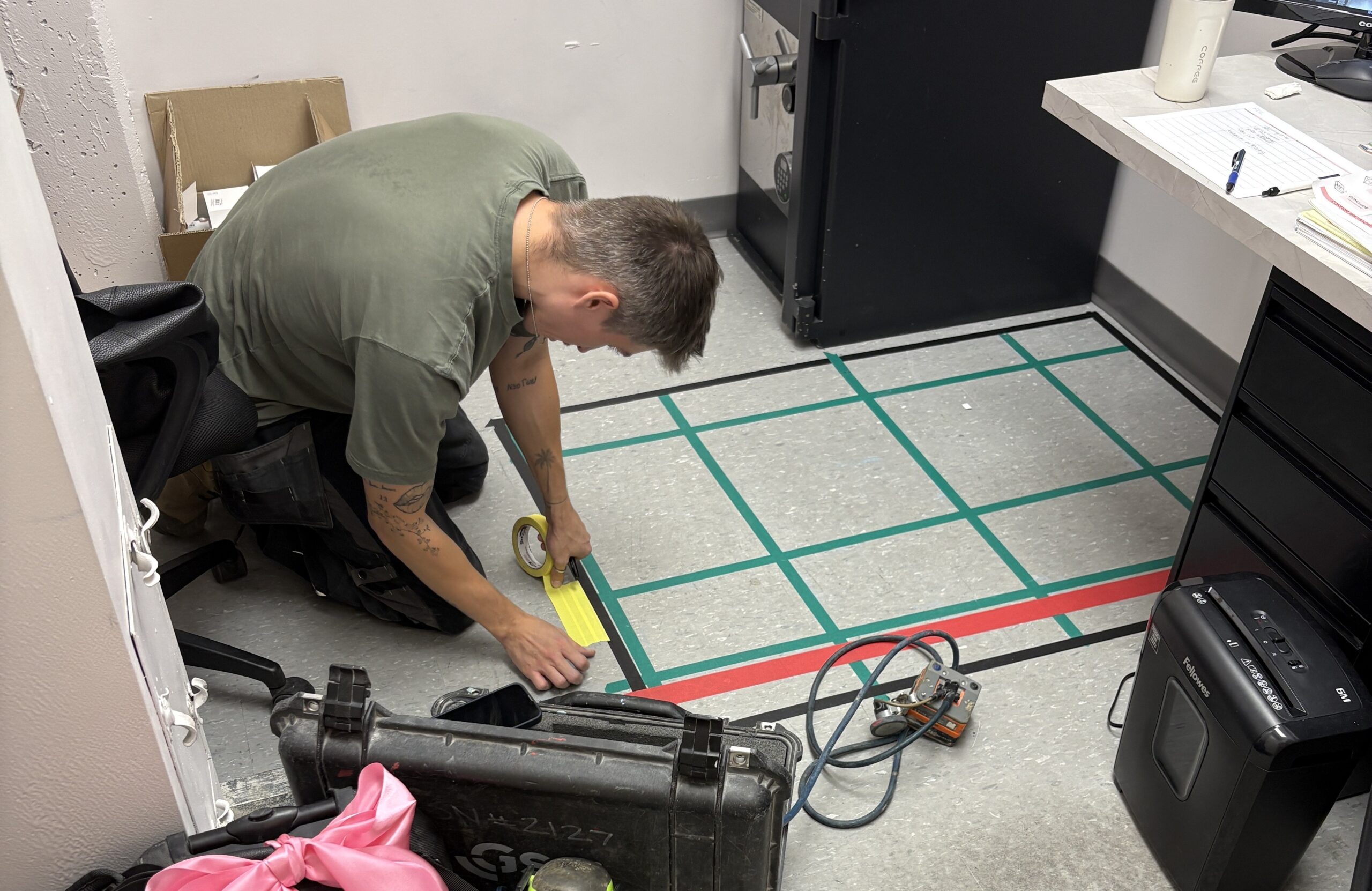
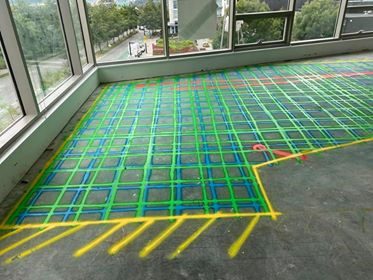
Large sections of the suspended slab were scanned over a three day period. All rebar and electrical conduits present in the slab around the proposed core locations were marked out. After scanning and marking of the slab was completed, a 3D model of the site was created using image collection technologies from Vuit.
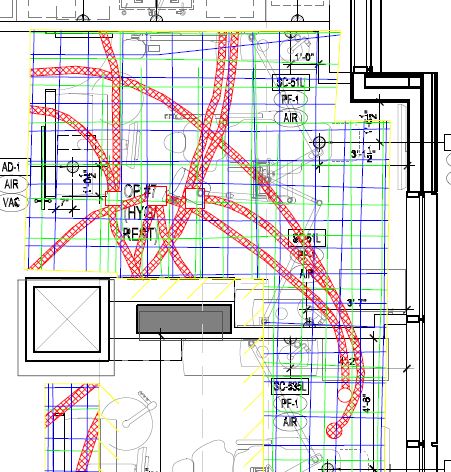
Subsequently an “as-built” floor plan was created which shows precisely the locations of all embedded objects.
Results/ Conclusion
Conclusion
The new floor plan was sent to the client and was used in their pre-design and construction process to determine safe locations for their core holes. This process saved money and time for our client as they were able to avoid costly redesign, multiple call-outs to site, and get their own client into the space on time!