Ultrasound Investigation at Vancouver Highrise
Overview/Intro
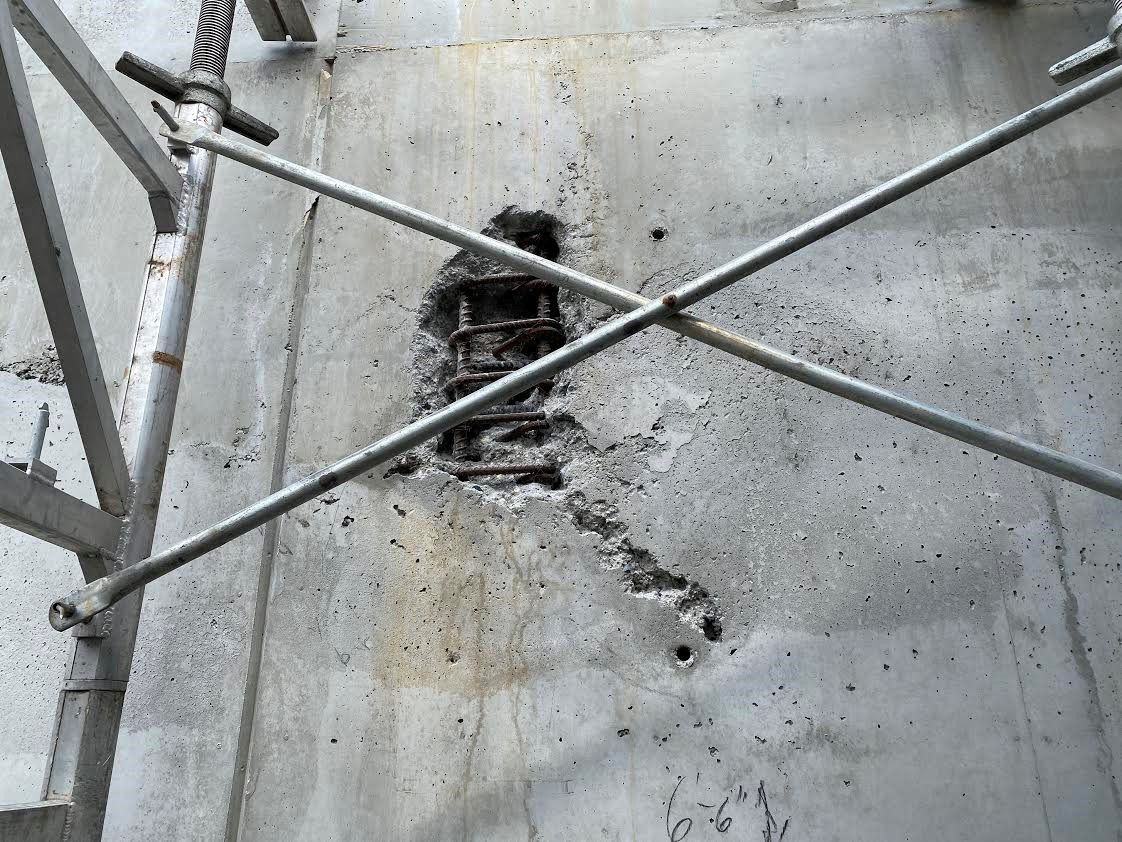
A client contacted Xradar after noticing sections of recently a poured load bearing concrete core wall showed signs of poor concrete cover.
The Challenge
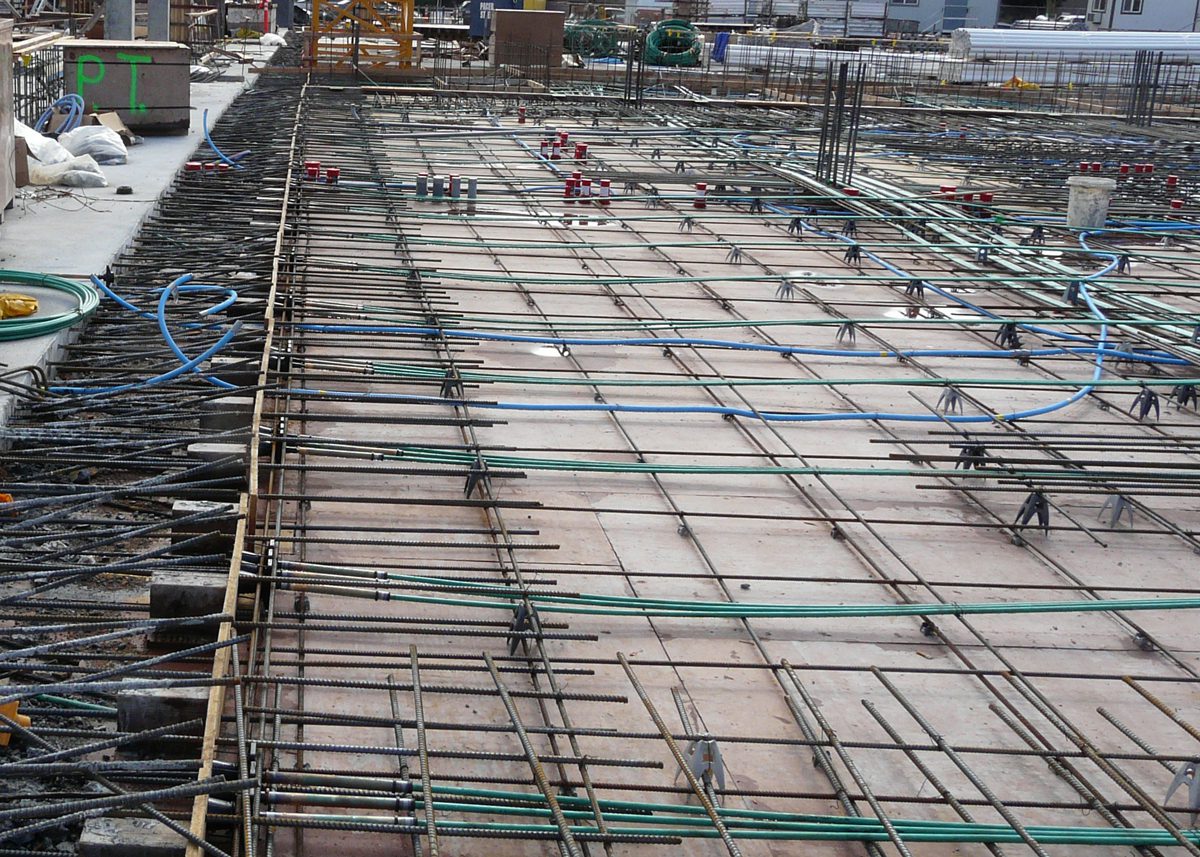
They suspected that other sections of the wall might have large voids in the concrete and varying rebar cover depths due to improper concrete pouring. Xradar was tasked with determining the presence of any voids within the wall. Additionally, Xradar was tasked with mapping the depth of concrete cover to the first layer of rebar.
Our Solution
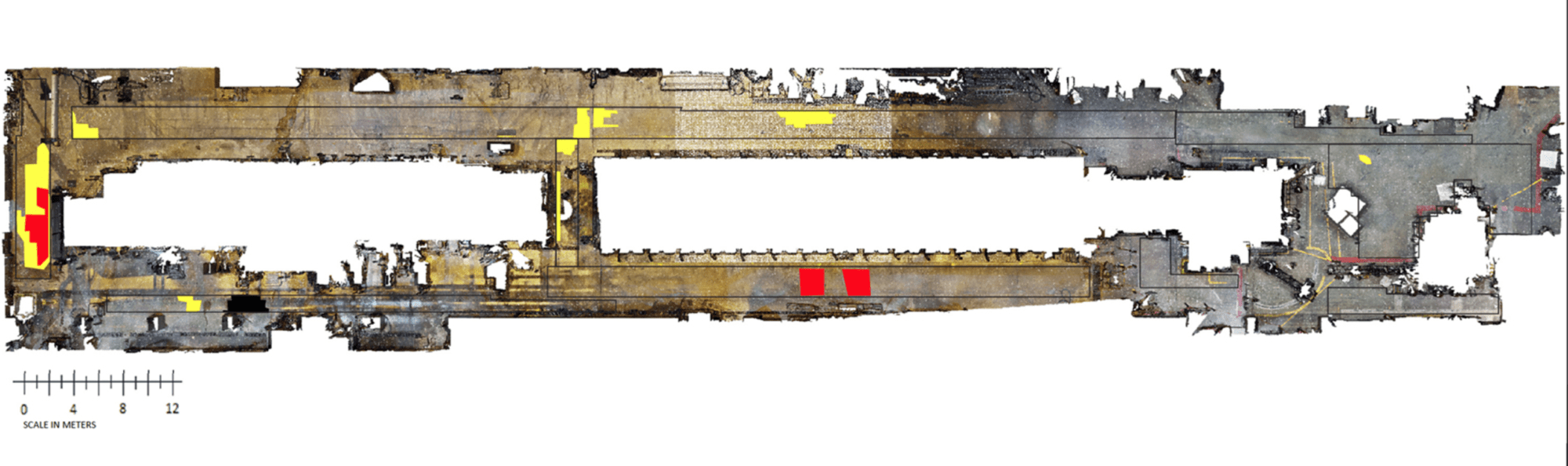
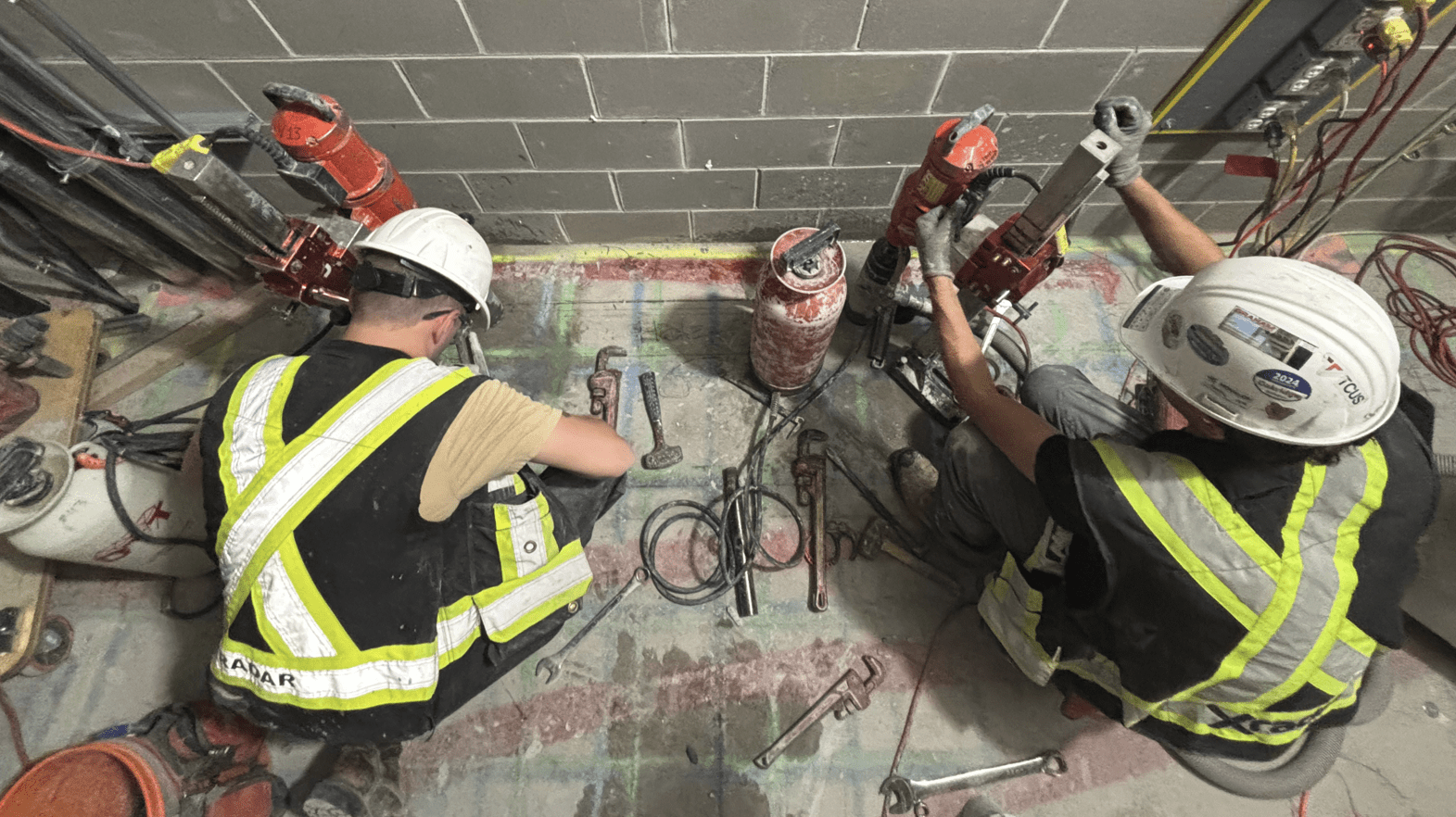
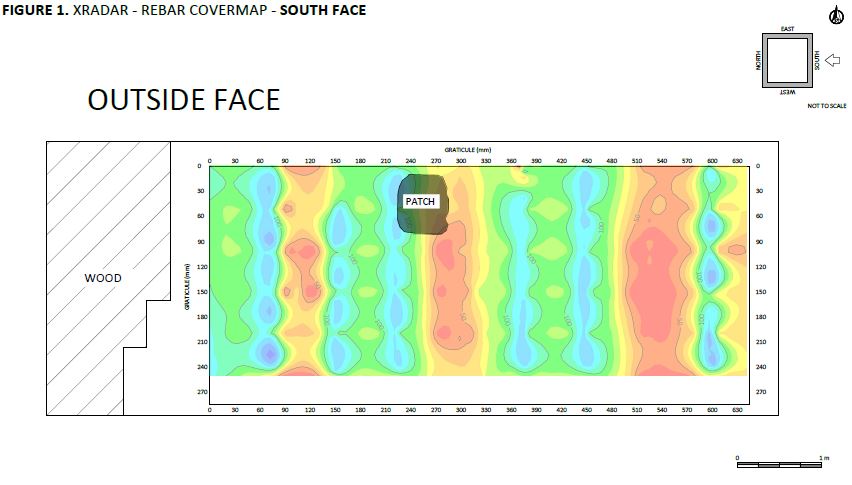
To best solve these problems for the client, multiple investigatory techniques were deployed by our Xradar technicians. Mapping the concrete cover over the first layer of rebar across both sides of the wall was done using Xradar concrete scanning. Scanning was conducted on both sides of the wall in a grid pattern with scan lines spaced 50cm apart both vertically and horizontally. The scan data collected this way had depths calibrated in post processing using information gathered using a cover meter to determine the cover depth more accurately. Heat maps of the depth of concrete cover were created and these showed that there is less cover present in structurally significant rebar-dense zones.
Methodology
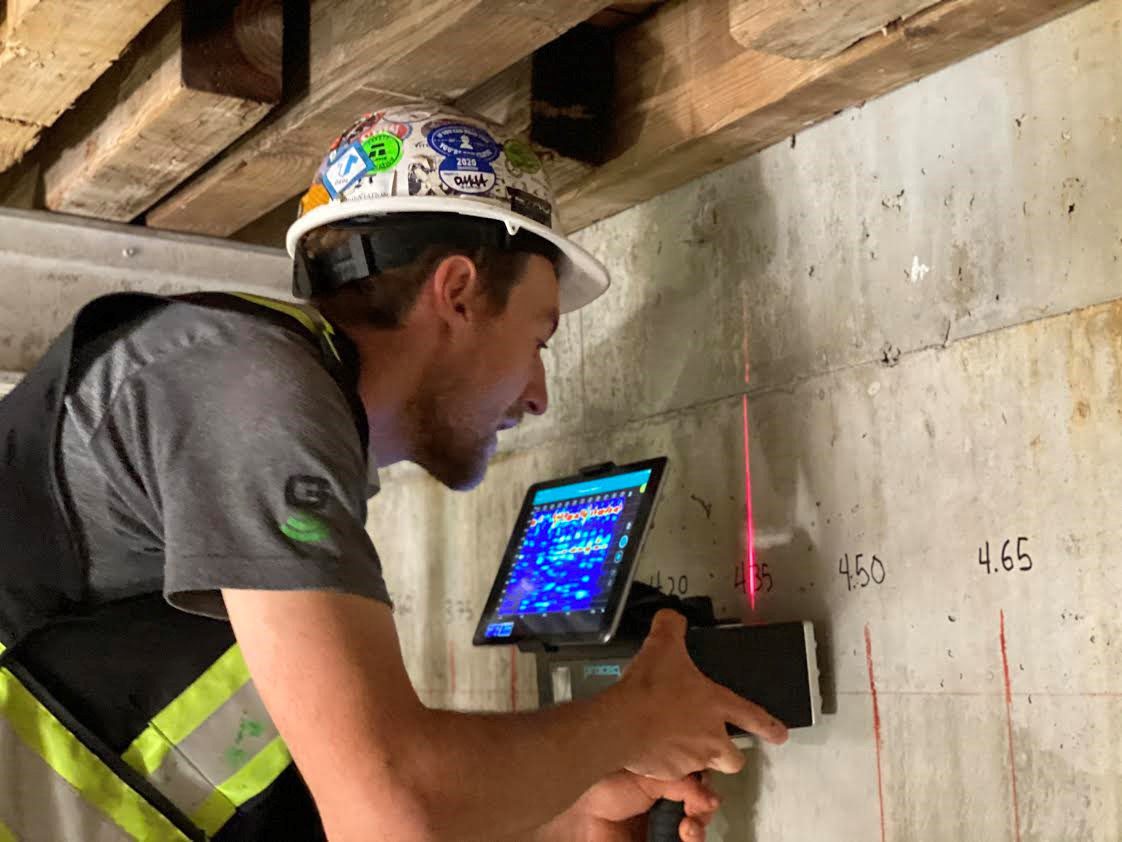
The presence of concrete voids within the wall was determined using the non-destructive exploratory technique of Ultrasonic Pulse Echo technology. Ultrasonic images of the concrete wall were collected at each of the intersection’s points of horizontal and vertical grid lines laid out on the walls surface during concrete scanning. Each ultrasonic image was saved and post processed to create a heat map of the density of the concrete core wall.
Results/ Conclusion
Conclusion
It was determined that two locations showed signs of poor concrete quality and therefore had the potential for voids to be present within these areas. Both identified poor concrete patches correspond to dense steel zones within the wall.
The information collected by Xradar was sent to the client in a report and was used to determine if the core wall required remediation.